Introduction to DIY Science Party Experiments for Kids Aged 7-9
Hosting a kids birthday party that’s fun, educational, and engaging can be a challenge. For parents and event planners seeking a unique way to celebrate, DIY science party experiments offer the perfect solution. These hands-on activities not only entertain children aged 7-9 but also spark curiosity and encourage learning in a playful environment. In this planning guide, we'll explore the best DIY science experiments that make birthday parties unforgettable for kids and their friends.
Why Choose DIY Science Experiments for a Kids Birthday Party?
Choosing DIY science experiments for a kids birthday party combines entertainment with education, making it a popular theme for young children. Here's why science experiments are an excellent choice:
- Engages curious minds: Science experiments naturally attract children’s curiosity, encouraging exploration and critical thinking.
- Interactive and hands-on: Kids get to participate actively, making the experience more memorable than passive entertainment.
- Age-appropriate learning: Experiments designed for kids aged 7-9 are simple yet fascinating, perfect for this developmental stage.
- Safe and fun: Well-planned experiments use household or child-friendly materials, ensuring safety throughout the party.
- Encourages social skills: Working in teams or pairs helps children develop cooperation and communication skills.
Planning Your Kids Birthday Science Party
Before diving into specific experiments, effective planning ensures the science party runs smoothly. Here are some key tips to prepare:
- Choose the right space: Select a location with enough surface area and ventilation, ideally a kitchen or outdoor area.
- Gather materials in advance: Most experiments require common household items like baking soda, vinegar, food coloring, and balloons.
- Prepare safety measures: Provide safety goggles, aprons, and supervise all activities closely.
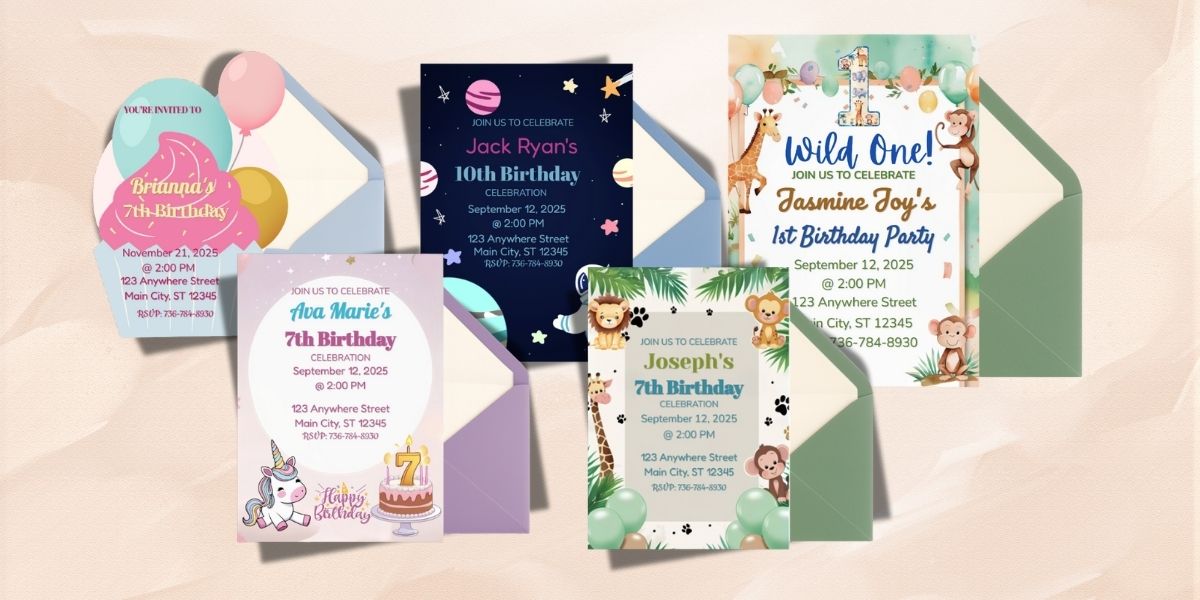
- Create themed invitations: Highlight the science theme in your invitations to build excitement.
- Plan timing carefully: Schedule the experiments so there’s a balance of active participation and downtime.
Top DIY Science Experiments for Kids Birthday Parties
Below are some of the best DIY science experiments that are perfect for children aged 7-9 at birthday parties. These activities are easy to set up, exciting, and visually impressive for young kids.
1. Volcano Eruption Experiment
This classic experiment never fails to amaze children. The chemical reaction between baking soda and vinegar simulates a volcanic eruption that’s both dramatic and educational.
- Materials needed: Baking soda, vinegar, dish soap, red food coloring, small bottle or container, tray.
- Instructions: Place the container on a tray. Mix baking soda, dish soap, and red food coloring inside the container. Pour vinegar over the mixture and watch the fizzy eruption!
- Learning aspect: Kids learn about chemical reactions and gas formation in a fun way.
2. Invisible Ink with Lemon Juice
This experiment introduces children to the concept of invisible inks and heat reactions. It’s simple, safe, and enthralling for kids.
- Materials needed: Lemon juice, cotton swabs, white paper, light bulb or iron (adult supervision required).
- Instructions: Kids use a cotton swab dipped in lemon juice to write secret messages on paper. When dried, the message becomes invisible until heated gently to reveal it.
- Learning aspect: Teaches children about oxidation and how heat changes substances.
3. DIY Lava Lamp
The DIY lava lamp is a colorful and mesmerizing experiment that illustrates the immiscibility of liquids and chemical reactions.
- Materials needed: Clear bottle, water, vegetable oil, food coloring, effervescent tablets (like Alka-Seltzer).
- Instructions: Fill the bottle mostly with oil, add water to fill the rest, and then add food coloring. Drop in pieces of effervescent tablet to create the bubbly lava effect.
- Learning aspect: Kids observe density, liquid behavior, and the release of carbon dioxide gas.
4. Balloon Rocket Experiment
This physics-based experiment demonstrates propulsion and Newton’s Third Law of Motion — every action has an equal and opposite reaction.
- Materials needed: Balloons, string, straws, tape.
- Instructions: Thread a string through a straw and anchor it between two points. Inflate a balloon (without tying it), tape it to the straw, then release and watch it rocket along the string.
- Learning aspect: Children understand basic physics and motion principles in an active way.
5. Rainbow Walking Water
This visually stunning experiment explores capillary action and color mixing.
- Materials needed: Clear cups, water, paper towels, food coloring in various colors.
- Instructions: Arrange cups in a circle, fill every other cup with colored water, then place paper towels bridging cups. Watch how colors “walk” between cups over time.
- Learning aspect: Kids learn about water movement and how colors blend.
Tips for Maximizing Fun and Learning at Your Science Birthday Party
To make your DIY science party a hit with kids aged 7-9, consider these best practices:
- Keep explanations simple: Use age-appropriate language to explain what’s happening during each experiment.
- Encourage questions: Foster curiosity by letting kids ask questions and express observations.
- Prepare for messes: Use disposable tablecloths and have wipes or towels handy to keep cleanup easy.
- Incorporate party favors: Provide little science kits or themed goodies for kids to take home.
- Mix up activities: Combine active experiments with quieter ones to maintain energy balance.
Additional Science Party Planning Guide Elements
Besides the core DIY science experiments, consider integrating these elements to strengthen the party’s theme and experience:
Science-Themed Decorations
Decorate with science motifs such as atoms, test tubes, and molecules to set the atmosphere. Use bright, colorful banners and tableware to match the excitement of the experiments.
Themed Invitations
Create invitations resembling lab reports or scientific discovery notes. Digital or printed invitations with fun science puns add to the anticipation.
Party Games and Activities
Complement experiments with science-themed games like “Periodic Table Bingo” or “Science Trivia” to keep kids engaged between experiments.
Healthy Themed Snacks
Offer snacks shaped like molecules (circled cereal with marshmallow “atoms”) or “chemical” drinks using colorful juices and sodas to continue the theme through refreshments.
Conclusion
DIY science party experiments are an excellent choice for kids birthday celebrations for children aged 7-9. These experiments provide a fun, interactive, and educational experience that young children will remember long after the party ends. With careful planning using this guide, event organizers can create a captivating science birthday party that sparks a lifelong love of discovery and learning.