Understanding the Importance of Guest-to-Seat Ratios in Event Planning
Planning an event, whether it's a corporate conference, wedding, gala, or community gathering, involves multiple logistics, a critical one being seating arrangements. One of the most common questions event planners face is, "How many chairs do I really need?" Getting the guest-to-seat ratio right is essential to ensuring comfort, accessibility, and a smooth flow throughout your event.
As we move into 2026, event planning trends and guest expectations continue to evolve. This comprehensive guide will break down everything you need to know about determining the ideal number of chairs for your event. We'll explore key factors that influence seating needs, the latest best practices for guest-to-seat ratios, and offer practical tips to help streamline your event setup.
Why the Guest-to-Seat Ratio Matters
Every event is unique, and the number of guests attending can vary widely. However, the ratio of guests to seats directly impacts guest satisfaction and event efficiency. Here are a few reasons why maintaining the right ratio is crucial:
- Comfort and Accessibility: Ensuring everyone has a seat prevents guests from standing uncomfortably or wandering aimlessly.
- Flow and Organization: Adequate seating supports better movement and easier access to various event zones.
- Time Management: Quick seating reduces delays for presentations, ceremonies, or meals.
- Compliance: Some venues and event types have legal requirements regarding seating capacity for safety.
What is the Standard Guest-to-Seat Ratio for Events in 2026?
Traditionally, event planners aimed for a 1:1 ratio—one seat per guest. However, with shifting event formats and guest behavior, the ideal ratio can differ depending on the type and style of the event.
For 2026, here are some updated guest-to-seat ratio guidelines to consider:
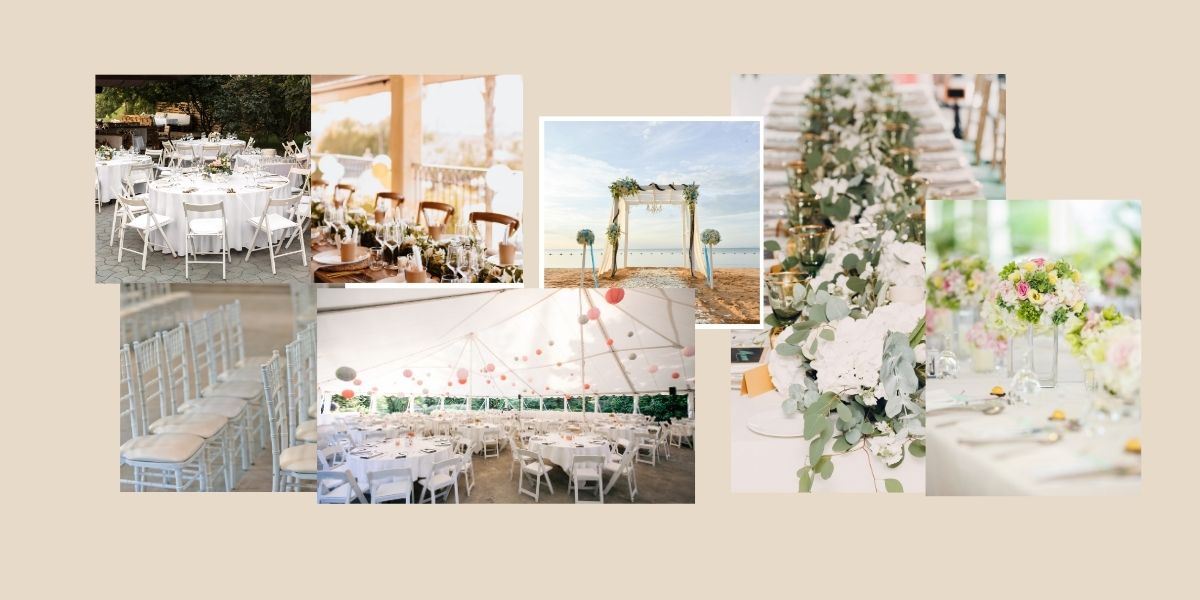
- Formal Banquets and Weddings: A strict 1:1 ratio is recommended to ensure every guest has a designated seat during meals and speeches.
- Conferences and Seminars: 1:1 ratio for keynote sessions. For breakout or networking sessions, a ratio of 0.8–0.9 seats per guest might suffice as some attendees prefer to stand or move around.
- Outdoor Festivals or Casual Gatherings: 0.6–0.8 ratio is common since attendees often stand, roam, and use communal seating areas.
- Trade Shows and Exhibitions: Seating is generally less prioritized, but providing at least 0.3–0.5 seats per expected visitor ensures spots for rest and meetings.
- Hybrid and Virtual-Integrated Events: For in-person components, a 0.9:1 ratio is emerging as many attendees join virtually but still require limited seating on-site.
Key Takeaway:
While the classic 1:1 ratio is often safest, tailoring your guest-to-seat plan based on event type and guest behavior optimizes space and budget without compromising guest experience.
Factors Influencing the Number of Chairs You Need
Determining how many chairs are necessary isn’t just about the headcount. Several key factors influence seating needs:
1. Event Duration and Activity Type
Longer events that involve meals or presentations certainly require more seating than short networking events or cocktail parties where guests often stand.
2. Guest Demographics
Consider the age, mobility, and preferences of your guests. Elderly or disabled guests will require more seating availability and easily accessible chairs.
3. Venue Layout and Capacity
The physical space and fire code restrictions impact how many chairs you can arrange comfortably while adhering to safety guidelines.
4. Seating Style
- Theater Style: Rows of chairs facing a stage, typically requires closer to 1:1 seating.
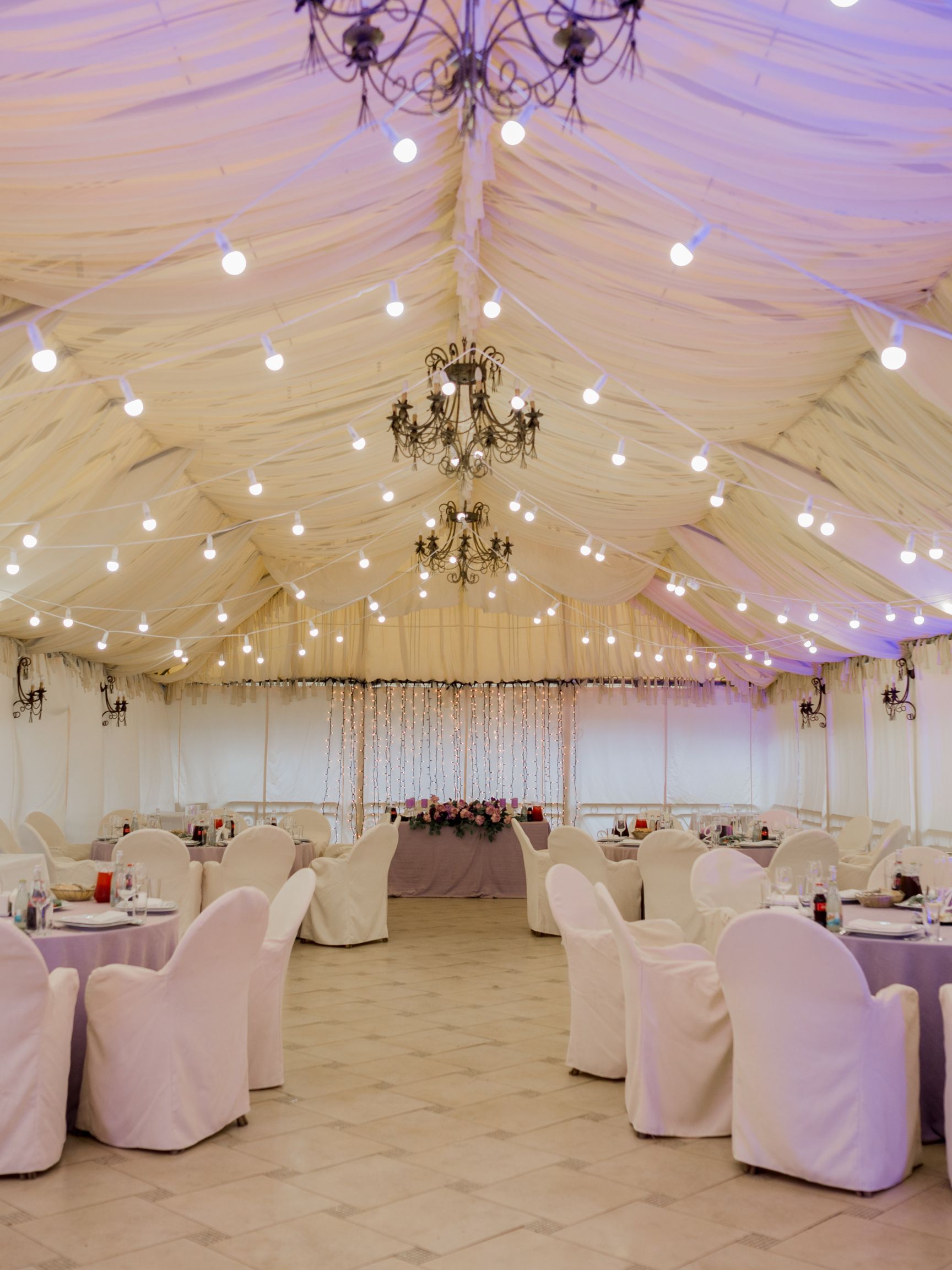
- Banquet Style: Round tables with chairs, ensures 1:1 but can limit overall capacity.
- Classroom Style: Tables with chairs, perfect for training and requires 1:1 seating.
- Reception Style: Standing with scattered seating, often permits a lower guest-to-seat ratio.
5. Anticipated Attendance vs. RSVP Numbers
Always plan for slightly more seats than confirmed attendees to accommodate last-minute guests or no-shows.
Calculating Your Seating Needs: Step-by-Step
Follow these steps to arrive at an accurate number of chairs for your event:
Step 1: Confirm Your Final Guest Count
Obtain your latest RSVP list and add a 5–10% buffer for unforeseen attendees.
Step 2: Define Your Event Type and Activities
Identify if you’re hosting a banquet, seminar, or mixed format which will impact seating arrangements.
Step 3: Select an Appropriate Guest-to-Seat Ratio
Use the 2026 updated guide above to choose the correct ratio for your event type.
Step 4: Multiply Guest Count by the Ratio
For example, if planning a corporate seminar with 200 guests and a 0.9 seat ratio, you need: 200 x 0.9 = 180 chairs.
Step 5: Account for Special Seating Needs
Add chairs for VIPs, speakers, staff, and reserves for accessibility or comfort.
Step 6: Confirm Venue Capacity and Chair Availability
Check your venue’s maximum seating capacity and available chairs to ensure your calculations are viable.
How Eventifai Can Help Optimize Your Seating Plan
Leveraging event management tools like Eventifai can simplify the complexities of guest-to-seat planning. With advanced analytics, you can:
- Track RSVPs and attendance trends in real-time
- Test different guest-to-seat ratios based on event type and seating styles
- Generate detailed seating charts and layouts compatible with venue specifications
- Manage special seating requests and VIP allocations efficiently
Using such comprehensive planning technology enhances accuracy and reduces the risk of seating shortages or overcrowding.
Common Mistakes to Avoid When Planning Seating
Even with a thorough plan, these pitfalls can negatively impact guest experience:
- Underestimating Attendance: Failing to factor in last-minute RSVPs or plus ones can leave many guests standing.
- Ignoring Accessibility: Not reserving enough accessible seating can inconvenience guests with mobility needs.
- Overcrowding the Venue: Trying to fit more chairs than the space allows creates discomfort and safety concerns.
- Not Considering Event Flow: Poor chair placement can obstruct pathways and reduce guest interaction.
- Skipping Buffer Seating: Not having additional seats available for late arrivals or unplanned guests.
Advanced Seating Planning Tips for 2026
Enhance your seating strategy with these forward-looking tips:
Incorporate Flexible Seating Options
Include lounge areas, stools, or benches to accommodate different guest preferences while optimizing space utilization.
Use Data-Driven Decisions
Analyze past event attendance data and guest behavior trends via platforms like Eventifai for smarter seat allocation.
Enhance Guest Comfort with Ergonomic Seating
Choose chairs that are comfortable for prolonged sitting to elevate overall guest satisfaction.
Integrate Technology for Seat Assignment
Digital seating charts and mobile apps allow guests to easily find their seats, reducing confusion and wait times.
Plan for Hybrid Event Seating
If your event includes virtual attendees, plan for fewer seats but ensure socially-distanced, tech-enabled seating for in-person guests.
Summary: How Many Chairs Do You Really Need?
To sum up, the number of chairs needed for your event hinges on a well-planned guest-to-seat ratio customized for the specific event type and attendee behavior. In 2026, best practices suggest:
- Use a 1:1 seat ratio for formal meals and presentations.
- Opt for slightly lower ratios (0.6–0.9) for casual, standing, or hybrid events.
- Always pad your numbers with a small buffer to accommodate last-minute changes.
- Consider guest demographics and accessibility requirements critically.
- Leverage digital tools for optimized planning and seamless execution.
By following these guidelines and factoring in your unique event needs, you can confidently determine how many chairs you truly require, enhancing guest experience and operational success.