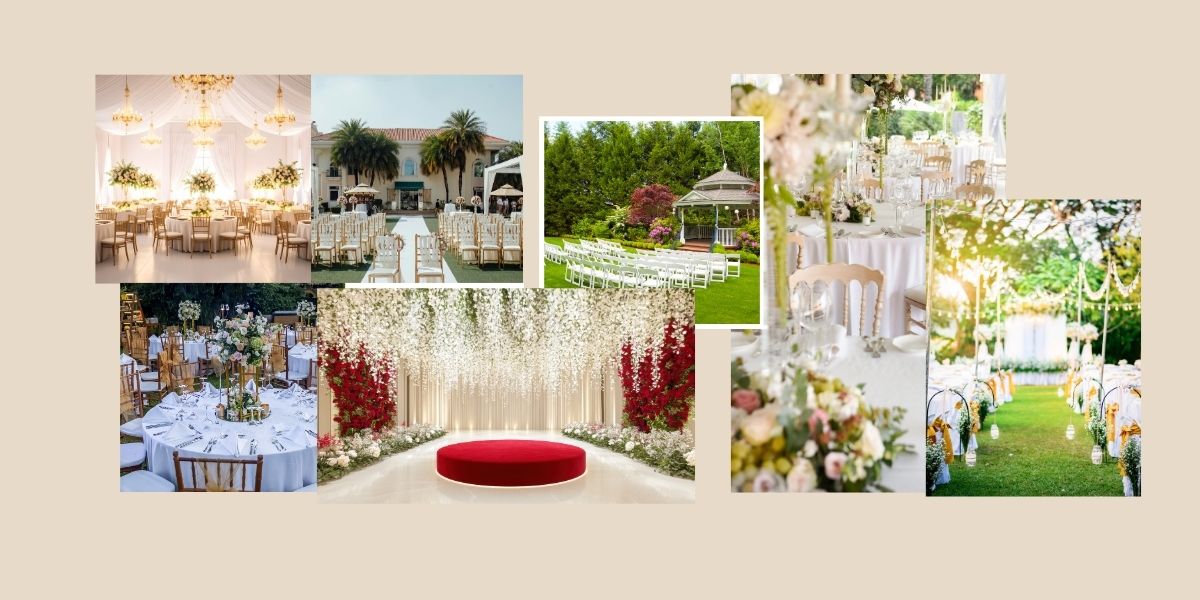
The Rise of "Biophilic" Venues: Why Nature-First Spaces are Trending for 2026
As the events industry evolves, planners and hosts are increasingly seeking venues that offer more than just a space to gather—they want immersive experiences that connect attendees with nature. This growing demand has launched the trend of biophilic venues into the spotlight for 2026. Biophilic design, which integrates natural elements into indoor and outdoor environments, is transforming traditional event spaces into serene, health-enhancing environments that foster creativity, comfort, and well-being.
In this comprehensive planning guide, we will explore what biophilic venues are, why they’re gaining immense popularity, and how event professionals can leverage these nature-first spaces to elevate their events in 2026.
What Are Biophilic Venues?
Biophilic venues are event locations that prioritize a strong connection to nature through architectural design, interior elements, and natural surroundings. The term “biophilia” means “love of nature” and refers to the human tendency to seek connections with the natural world. Incorporating biophilic principles into event venues means blending natural light, greenery, water features, natural materials, and organic shapes to create uplifting and healthy environments.
Examples of biophilic venues include:
- Outdoor gardens and botanical centers
- Indoor spaces with extensive living walls and potted plants
- Venues with large windows that allow natural light and views of natural landscapes
- Spaces integrating natural building materials like wood, stone, and bamboo
- Eco-friendly resorts and lodges nestled in forests or near water bodies
Why Are Biophilic Venues Trending in 2026?
The rise of biophilic venues reflects broader shifts in cultural priorities and event planning trends. Here are the key reasons why these nature-first spaces are in high demand for 2026:
1. Increased Focus on Wellness and Mental Health
Modern attendees—whether for corporate meetings, weddings, or conferences—are more conscious of their mental and physical well-being than ever before. Studies have shown that exposure to natural environments reduces stress, increases focus, and boosts mood. Event planners are turning to biophilic venues to create calming atmospheres that promote wellness and engagement throughout events.
2. Rise of Sustainable and Eco-Friendly Event Planning
Sustainability remains a critical priority for event professionals and attendees alike. Biophilic venues often emphasize eco-friendly practices, such as energy efficiency, use of renewable resources, and minimal environmental impact. Choosing a nature-first event space demonstrates a commitment to the environment, aligning with growing corporate social responsibility objectives and audience values.
3. Desire for Unique and Memorable Experiences
With an overwhelming amount of events competing for attention, delivering an unforgettable experience is vital. Biophilic venues offer natural beauty and sensory stimulation that differentiates an event. From the ambiance created by natural light to the scent of fresh foliage, these elements engage attendees on multiple levels, making the event more impactful and memorable.
4. Technological Advancements Integrating Nature
Advances in architectural technology enable the seamless incorporation of natural elements into urban and indoor spaces. Innovative design techniques such as living walls, green roofs, and biophilic lighting optimize the benefits of nature without sacrificing technological conveniences. This makes biophilic venues accessible in even the most metropolitan areas, satisfying both green instincts and modern event requirements.
Key Features of Biophilic Venues to Consider for Your Event
When selecting a biophilic venue for 2026 events, consider these important features that enhance the nature-first appeal and attendee experience:
- Natural Light & Open Air: Spaces with abundant natural light or the ability to hold outdoor sessions provide a strong connection to nature and increase energy among attendees.
- Greenery & Plant Life: Incorporation of plants, live walls, and garden areas can improve air quality and create a serene visual environment.
- Natural Materials: Venues designed with wood, stone, metals, and other organic materials add warmth and texture reflective of natural surroundings.
- Water Features: Fountains, ponds, or indoor water installations contribute to calmness and sensory appeal.
- Views of Nature: Look for venues with scenic views of forests, mountains, beaches, or landscaped gardens that frame the event space.
- Eco-Friendly Amenities: Solar power, waste reduction programs, and sustainable catering options complement the biophilic ethos.
- Flexible Indoor-Outdoor Flow: Spaces allowing a fluid transition between indoor sessions and outdoor lounges or networking makes the event feel open and refreshing.
Benefits of Hosting Events in Biophilic Venues
Choosing biophilic venues can significantly enhance the event’s overall success. Here’s why nature-first spaces are ideal for events in 2026:
Boosted Attendee Engagement and Productivity
Natural settings have been linked to higher concentration levels and improved cognitive function. Attendees at corporate workshops, conferences, or brainstorming sessions hosted in biophilic venues tend to participate more actively and generate higher-quality ideas.
Improved Mood and Reduced Stress Levels
Event guests benefit from lower cortisol levels and feelings of relaxation when surrounded by natural elements. This leads to more positive networking opportunities and an overall uplifting event atmosphere.
Enhanced Brand Reputation
Selecting environmentally responsible, wellness-oriented venues promotes a positive image for event hosts and sponsors. Promoting sustainability and care for attendee well-being resonates well with modern consumers and business partners.
Greater Flexibility and Creativity
Biophilic venues’ unique aesthetics inspire creative event formats and décor. Whether it’s a casual garden wedding or a cutting-edge corporate retreat, these spaces support diverse event themes that leave lasting impressions.
Top Tips for Planning Events in Biophilic Venues
To maximize the benefits of nature-first venues, event planners should apply these best practices:
1. Embrace the Natural Environment
Allow the venue’s landscapes and natural features to guide your event design. Minimize artificial decorations and enhance what’s already present to create an authentic biophilic experience.
2. Coordinate Logistics Around Weather and Lighting
Because many biophilic venues rely on outdoor or open-air elements, plan for contingencies such as rain, temperature fluctuations, and natural light variations. Provide shade, heaters, or backup indoor spaces if necessary.
3. Encourage Sustainable Practices
Work closely with venue vendors that use biodegradable materials, locally sourced food, and reduce waste output. Communicate your sustainability goals clearly to attendees and team members.
4. Foster Interactive Nature-Based Activities
Integrate programs like garden tours, nature walks, meditation sessions, or eco-art installations to deepen attendees' connection to the environment and extend engagement beyond traditional event sessions.
5. Utilize Technology Thoughtfully
Incorporate sound systems, lighting, and streaming devices that complement rather than overwhelm the natural setting. Technologies like smart climate control can maintain comfort without disrupting the venue’s ambiance.
Examples of Popular Biophilic Venues to Watch in 2026
As biophilic design becomes mainstream, numerous venues worldwide are leading the trend. Here are some standout examples to inspire your event planning:
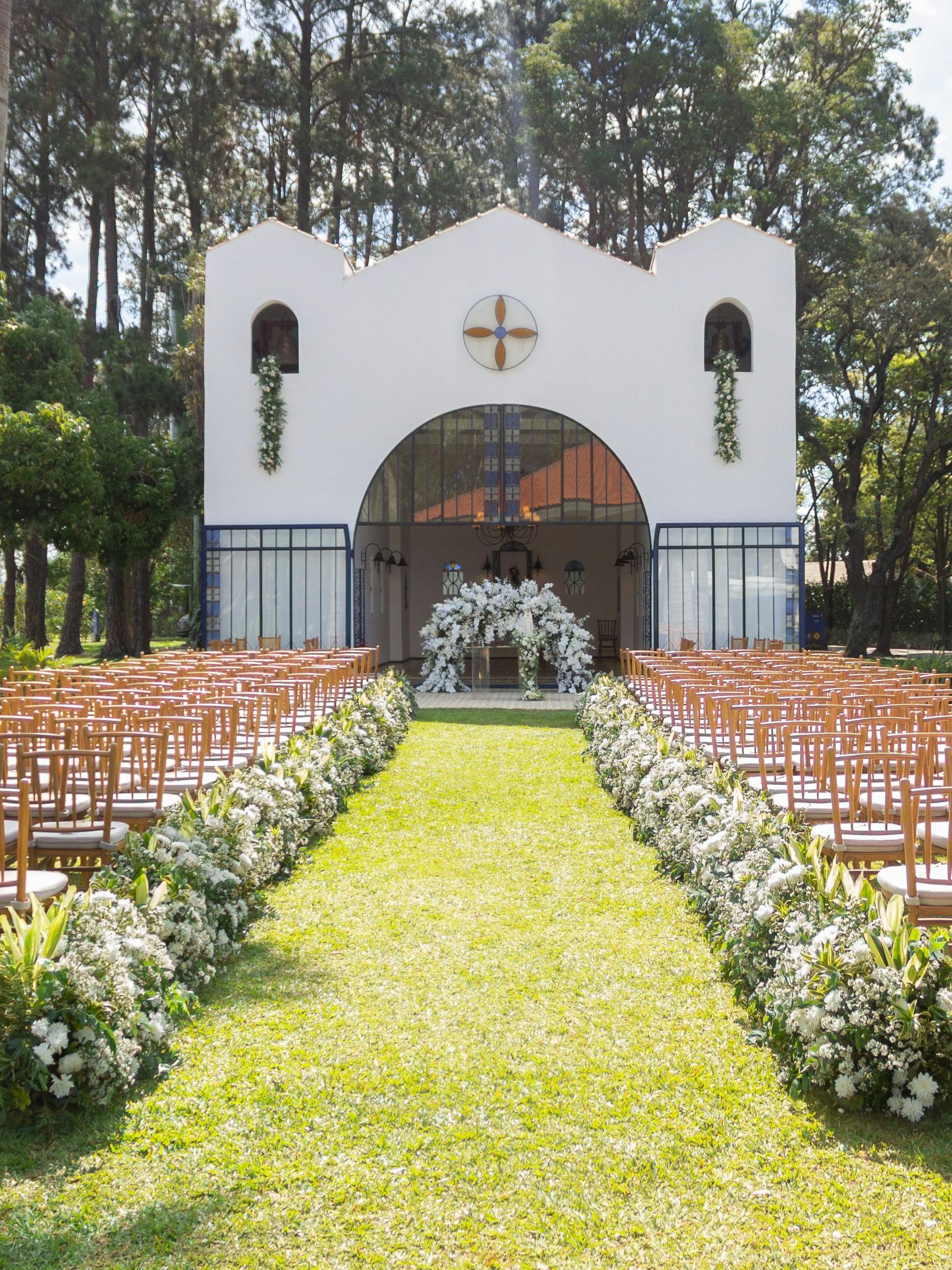
- Botanical Gardens and Arboretums: Ideal for weddings, galas, and outdoor corporate events, these venues offer exotic plant displays and tranquil water features.
- Eco-Resorts & Lodges: Nestled in forests, mountains, or coastal areas, eco-resorts combine luxury with sustainability, perfect for retreats and incentive trips.
- Glasshouses & Conservatories: These architectural marvels flood spaces with daylight and lush vegetation, suitable for conferences and artistic performances.
- Urban Green Rooftops & Terraces: Bring nature into the city with rooftop gardens and terraces that host cocktail receptions and casual networking events.
- Adaptive Reuse Venues with Green Features: Warehouses and industrial spaces converted with living walls and natural materials blend urban vibes with nature’s warmth.
Conclusion
Biophilic venues are shaping the future of event planning, propelled by a global shift towards wellness, sustainability, and innovation. For 2026, nature-first spaces will continue to rise as the preferred choice for event professionals aiming to create inspiring, immersive, and environmentally conscious experiences. By embracing biophilic design principles, planners can elevate their events beyond mere function—connecting attendees to the essence of nature and wellness in ways that resonate deeply and last long after the event ends.