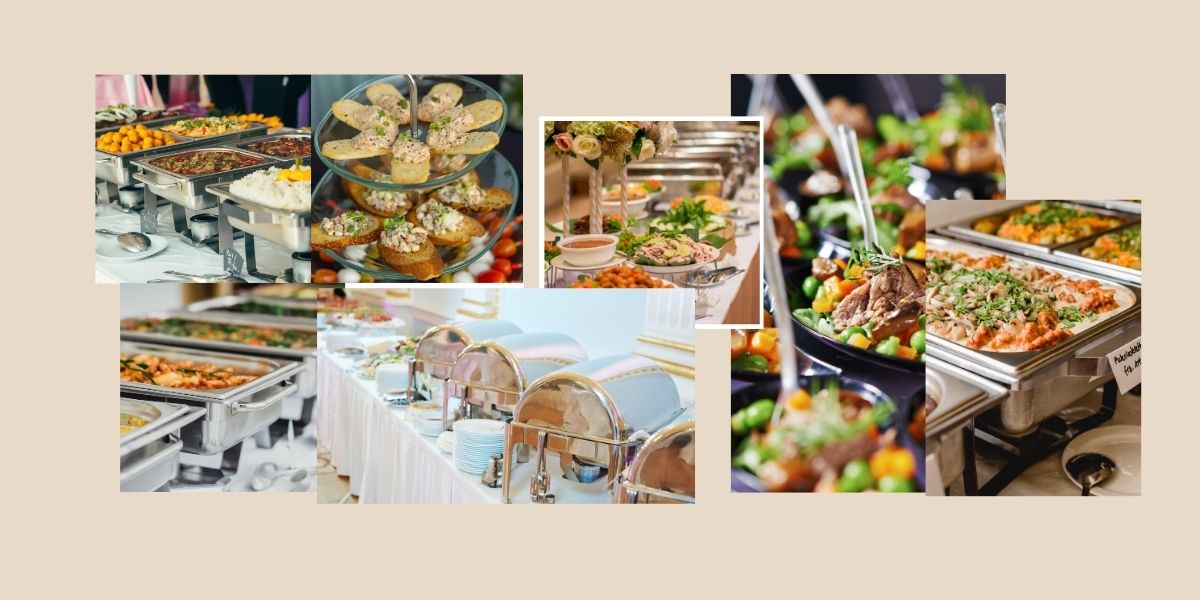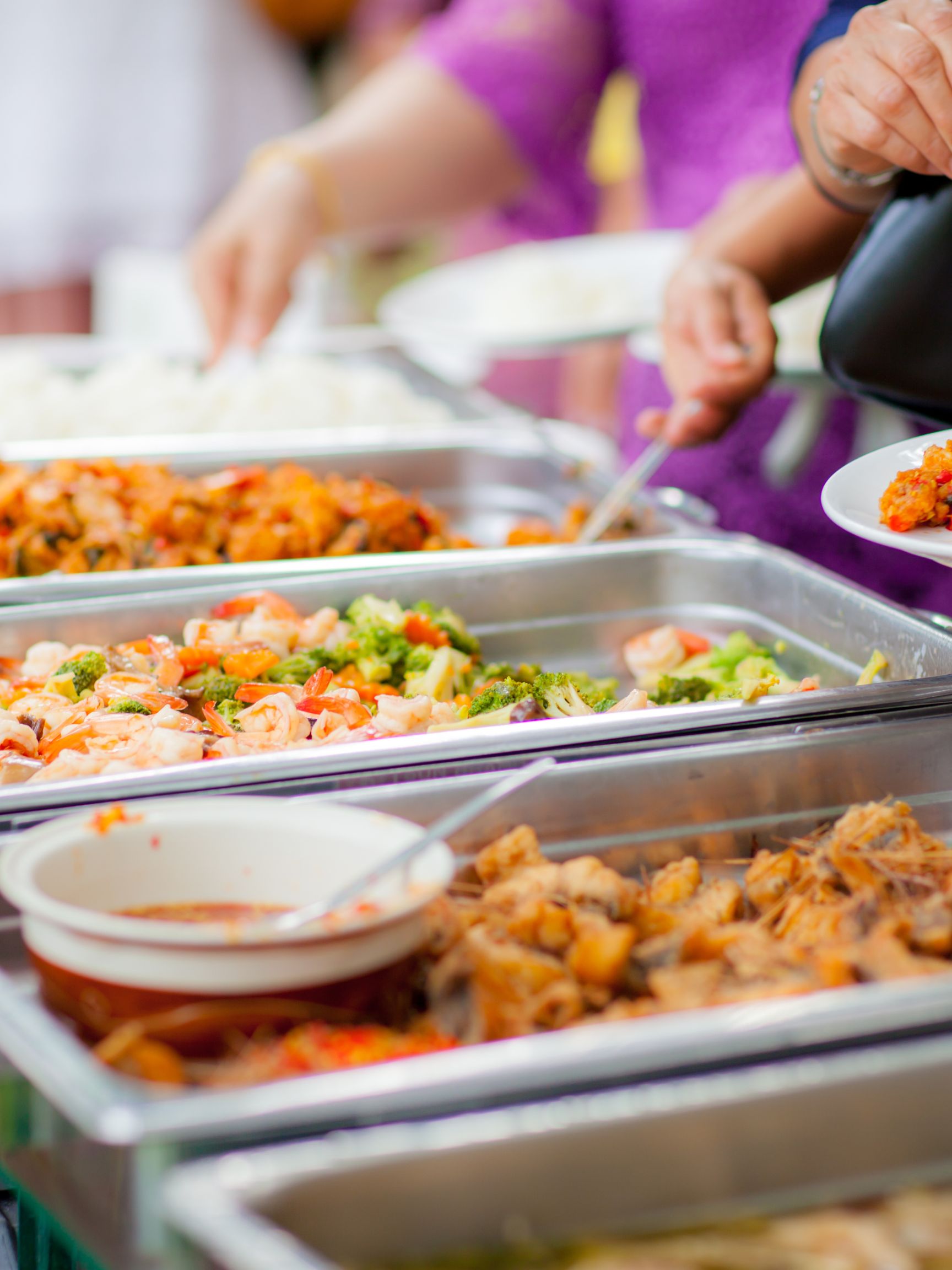
Top 10 Catering Trends for 2026: Interactive Stations & Micro-Plating
The catering industry continually evolves to meet the changing tastes and expectations of event planners and attendees. As we approach 2026, several innovative trends are emerging that promise to redefine the event catering landscape. Among these, interactive stations and micro-plating have become standout features, offering a blend of personalization, engagement, and sophistication. In this comprehensive guide, we’ll explore the top 10 catering trends for 2026, highlighting how these developments can transform your events into unforgettable experiences.
1. Interactive Food Stations
Interactive food stations continue to gain popularity, inviting guests to become part of the culinary experience rather than passive consumers of food. These stations often feature live cooking demonstrations, customizable menus, and a range of ingredients guests can choose from.
- Customization and Engagement: Guests enjoy personalizing their dishes, from build-your-own taco bars to sushi rolling counters.
- Visual Appeal: The theatrical element of chefs cooking on-site adds a dynamic and engaging atmosphere to events.
- Heightened Social Interaction: Stations become social hubs where guests gather, discuss food, and connect.
These interactive stations are perfect for weddings, corporate functions, and large parties where mingling and engagement are key objectives.
2. Micro-Plating for Precision and Elegance
Micro-plating is revolutionizing the way food is presented at events. This technique focuses on smaller, carefully crafted portions that emphasize quality over quantity.
- Enhanced Aesthetics: Micro plates showcase intricate designs, edible art, and vibrant colors, turning each bite into a visual masterpiece.
- Waste Reduction: Serving smaller portions helps minimize food waste, aligning with the sustainability goals of many event planners.
- Diverse Offerings: Allows guests to sample a wider variety of flavors and dishes without feeling overwhelmed.
Micro-plating is ideal for gourmet dinners, tasting events, and upscale cocktail parties where elegance and innovation are paramount.
3. Sustainable and Locally-Sourced Ingredients
The push for sustainability continues to shape catering menus in 2026. Clients increasingly demand transparency in food sourcing and prefer seasonal, local ingredients.
- Environmental Responsibility: Caterers partner with local farms and suppliers to reduce carbon footprints.
- Freshness and Flavor: Fresh, seasonal produce enhances the taste and nutritional value of dishes.
- Storytelling: Sharing ingredient origin stories with guests adds a meaningful layer to the dining experience.
Events with an eco-conscious theme or clients focused on corporate social responsibility greatly benefit from this trend.
4. Plant-Based and Alternative Proteins
The rise in vegetarian, vegan, and flexitarian diets means catering menus must cater to diverse dietary preferences. In 2026, expect to see more innovative plant-based options and alternative proteins.
- Creative Plant-Based Dishes: Beyond salads and sides, expect hearty entrees with jackfruit, chickpeas, and beyond.
- Alternative Protein Sources: Lab-grown meats, insect proteins, and pea protein products are gaining culinary acceptance.
- Inclusive Menus: Providing delicious options for all guests, regardless of dietary restrictions.
This trend reflects a broader commitment to health, ethics, and environmental stewardship in event catering.
5. Ethnic and Fusion Flavors
Global cuisine continues to inspire catering menus with bold, diverse flavors. Fusion dishes that blend culinary traditions from different cultures offer exciting new taste experiences.
- Bold Spices and Herbs: Ingredients like sumac, za’atar, and harissa are increasingly popular.
- Cross-Cultural Mashups: Think Korean tacos, Indian sushi, or Mediterranean bowls with Latin American twists.
- Cultural Storytelling: Celebrating heritage and diversity through food creates memorable event moments.
Caterers who embrace ethnic and fusion trends provide guests with adventurous and unforgettable dining experiences.
6. Elevated Comfort Food
Comfort food has always been a crowd-pleaser, but in 2026 it’s getting a gourmet makeover. Expect elevated versions of classic favorites featuring upscale ingredients and refined presentations.
- Upscaled Classics: Truffle mac and cheese, lobster grilled cheese, and artisanal meatloaf are just a few examples.
- Creative Twists: Infusions of unexpected flavors like miso, curry, or kimchi enhance familiar dishes.
- Nostalgic Appeal: Comfort foods evoke positive emotions, perfect for casual and intimate events.
Combining tradition with innovation ensures comfort food remains a beloved catering option in 2026.
7. Tech-Integrated Catering Services
Technology is playing a larger role in the catering experience, from ordering to service. Advances are improving efficiency and personalizing guest experiences.
- QR Code Menus: Guests access event menus and ingredient info instantly on their phones.
- AI-Powered Customization: Algorithms help tailor menus based on guest preferences and dietary restrictions.
- Contactless Payments and Ordering: Streamlined processes for food ordering reduce wait times and improve flow.
Utilizing cutting-edge technology enhances convenience and safety at contemporary events.
8. Enhanced Beverage Pairings
Beverages are becoming as carefully curated as food in 2026. Thoughtful pairings create harmonious flavor experiences that elevate the entire event.
- Sommelier-Guided Pairings: Experts select wines, cocktails, or non-alcoholic drinks to complement specific dishes.
- Signature Drinks: Custom cocktails designed to match event themes and menus.
- Functional Beverages: Fermented drinks, adaptogen-infused cocktails, and wellness shots are gaining traction.
This trend enhances guest enjoyment and adds sophistication to any event.
9. Sustainable Service Ware
Alongside sustainable food sourcing, sustainable service ware is a crucial catering trend. Event planners favor biodegradable, compostable, and reusable materials to reduce environmental impact.
- Compostable Plates and Utensils: Made from materials like bamboo, sugarcane, or cornstarch.
- Edible Cutlery: Innovative and eco-friendly, these reduce waste while delighting guests.
- Reusable Options: Renting fine china and glassware helps reduce single-use waste.
Choosing sustainable service ware aligns creating memorable events with responsible environmental stewardship.
10. Interactive Dessert Experiences
Looking beyond the main courses, interactive dessert stations are becoming a must-have at modern events. These stations provide a sweet finish while continuing the theme of guest engagement.
- DIY Dessert Bars: Guests customize cupcakes, ice creams, or crepes with a variety of toppings.
- Live Dessert Prep: Pastry chefs create soufflés, flambé, or liquid nitrogen treats on-site.
- Miniature Desserts: Micro-sized sweet bites match the micro-plating trend, offering variety and elegance.
This interactive approach to desserts keeps guests entertained and satisfied until the very end of the event.
Conclusion
The catering trends for 2026 reflect a blend of innovation, personalization, sustainability, and sensory delight. Interactive stations and micro-plating stand out as two of the most exciting developments, offering immersive food experiences that engage guests and elevate event aesthetics. Whether planning a corporate gala, wedding, or intimate gathering, incorporating these trends can help create memorable culinary journeys that resonate with today’s discerning audiences.