Understanding Wedding Flower Budgets for 2026: The 15% Rule Explained
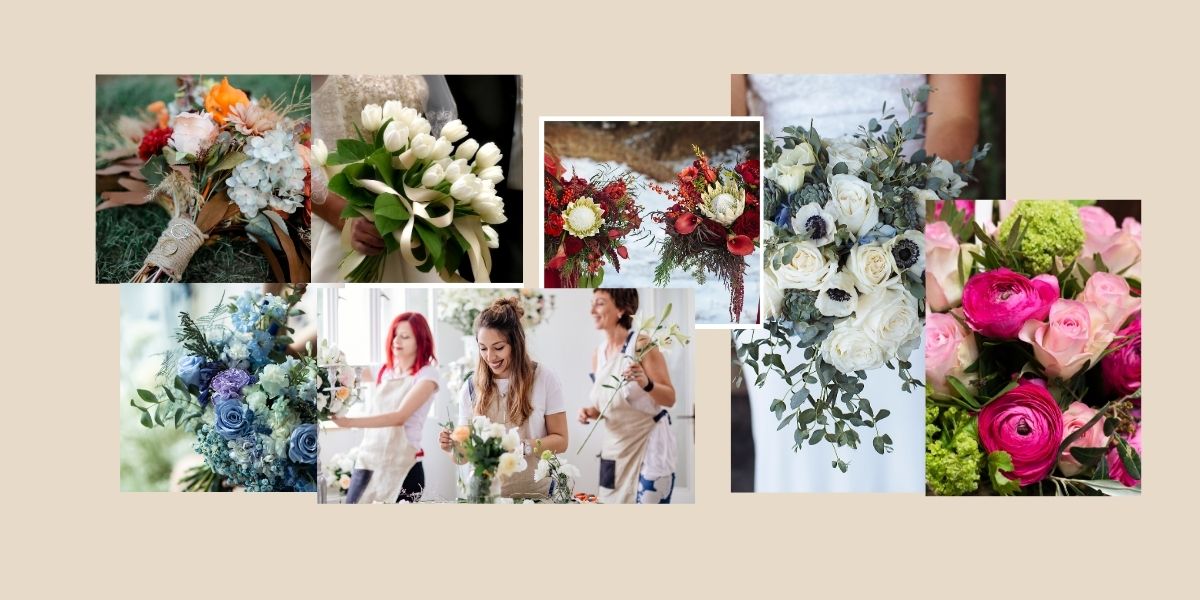
Planning a wedding involves countless decisions, and one of the most significant elements couples focus on is wedding décor—especially flowers. Wedding flowers not only add beauty and elegance but also help set the mood and style for your big day. However, determining the right budget for wedding flowers can be confusing. In this comprehensive guide, we will explore how much you should spend on wedding flowers in 2026 by breaking down the widely recommended "15% Rule." This event planning guide will help you allocate your budget efficiently while ensuring your floral arrangements make the perfect statement.
Why Are Wedding Flowers Important?
Floral arrangements play a key role in wedding aesthetics:
- Create ambiance: Flowers help to establish the theme and atmosphere of your wedding.
- Highlight key areas: Bouquets, centerpieces, and altar flowers draw attention to important spots during your ceremony and reception.
- Express personal style: The choice of flowers and colors reflects the couple's personality and wedding vision.
- Photographic impact: Flowers enhance wedding photos, creating lasting memories with stunning visuals.
Given their importance, it’s essential to budget wisely for your wedding flowers so you don’t overspend or underfund this beautiful aspect of your day.
What Is the 15% Rule for Wedding Flowers?
The 15% rule is a popular budgeting guideline suggesting that couples allocate about 15% of their total wedding budget to flowers and décor. This includes all floral elements such as bouquets, boutonnieres, centerpieces, and other decorative floral installations.
For example, if your total wedding budget is $30,000, applying the 15% rule means you might spend around $4,500 on wedding flowers and décor.
Why 15%?
This percentage is a balanced figure that has evolved from industry standards, reflecting the average amount couples should invest to achieve stunning floral arrangements without compromising other essential components like venue, catering, or entertainment.
Flowers can be both an extravagant indulgence and a necessary part of the celebration, so the 15% rule offers a practical sweet spot to help manage expectations and financial planning.
Factors Influencing Your Wedding Flower Budget
While the 15% rule is a helpful benchmark, several factors can impact how much you actually need to spend on flowers. Consider these before finalizing your floral budget:
- Seasonality: Prices fluctuate based on the season. For example, flowers that are out-of-season may need to be imported at a higher cost.
- Venue size and style: Large venues or outdoor weddings typically require more extensive floral décor, increasing costs.
- Type of flowers chosen: Some flowers such as peonies and orchids tend to be pricier than roses or daisies.
- Number and type of arrangements: Budget will vary based on how many bouquets, centerpieces, floral arches, and boutonnieres you need.
- DIY vs. professional florist: DIY arrangements may reduce costs but require time and skill.
- Customization and complexity: Intricate designs and floral installations can elevate prices.
Breaking Down Wedding Flower Costs by Category
To understand how your floral budget is distributed, let’s break down typical costs across different floral categories based on a 15% allotment of a $30,000 wedding budget.
Bridal Bouquet
The bridal bouquet is often the most expensive single floral item. Budget approximately 15-20% of your total floral budget here.
- Estimated cost: $600 - $900
- Factors: Size, flower choice, and design complexity
Bridesmaids’ Bouquets and Boutonnieres
Smaller bouquets and boutonnieres for attendants are usually less costly but still important for cohesive style.
- Estimated cost: $300 - $600 total
- Quantity depends on the number of wedding party members
Ceremony Flowers
Decorations for the altar, pews, and aisle runner floral accents can be one of the larger expenditures.
- Estimated cost: $1,000 - $1,500
- Includes altar arrangements, aisle markers, and altar décor
Reception Centerpieces
Centerpieces set the tone at the reception tables. Costs vary depending on the number of tables and arrangement size.
- Estimated cost: $1,000 - $1,500
- Approximately $50-$100 per centerpiece
Additional Floral Décor
Additional items such as floral arches, cake flowers, or floral installations add to the budget.
- Estimated cost: $500 - $1,000
- More elaborate designs increase expenditure
How to Get the Most Out of Your Wedding Flower Budget
Even adhering to the 15% rule, there are smart strategies to stretch your floral budget without sacrificing style:
- Choose seasonal blooms: Opt for flowers in season to benefit from lower prices and fresher arrangements.
- Incorporate greenery: Greenery like eucalyptus and ferns are cost-effective fillers that add volume and texture.
- Focus on focal points: Allocate a larger portion of your budget to key floral features like the bridal bouquet and altar décor, and keep other arrangements simpler.
- Reuse flowers: Use ceremony flowers at the reception to avoid duplication of floral arrangements.
- DIY some elements: If you have the time, creating simple centerpieces or boutonnieres can cut costs.
- Limit floral installations: Floral arches and walls are beautiful but can be expensive. Use them sparingly or incorporate non-floral elements.
- Consult multiple florists: Compare quotes and ask for customizable packages to find options that fit your budget.
How the 15% Rule Fits into the Larger Wedding Planning Budget
Understanding how flower costs fit into your broader wedding budget is vital. Typical wedding budgets in 2026 are divided as follows:
- Venue: 40-50%
- Catering: 20-30%
- Photography & Videography: 10-15%
- Dress & Attire: 10-15%
- Flowers & Décor: Around 15%
- Entertainment & Music: 5-10%
- Miscellaneous (invitations, transportation, etc.): 5-10%
While the 15% for flowers might feel significant, it ensures your event has the visual impact and elegance that floral designs uniquely provide, supporting a memorable celebration.
Trends in Wedding Flowers for 2026 Affecting Your Budget
Floral trends can influence pricing and the types of flowers you may want to include. Staying aware of 2026 trends can help you budget wisely and select flowers that are both fashionable and affordable.
- Sustainable and locally sourced flowers: Many couples prefer eco-friendly options, which can vary in price but often save shipping costs.
- Dried flowers: These are gaining popularity for their rustic style and longevity, often reducing day-of costs.
- Bold colors and mixed textures: Trending bright hues or mixed arrangements may cost more but can be balanced with greenery to manage expense.
- Minimalist arrangements: Simple, elegant designs can cut costs while staying chic.
How to Discuss Your Flower Budget with Your Florist
Clear communication with your florist ensures your expectations align with your budget. Here are tips for productive discussions:
- Provide your total wedding budget: Let the florist know your overall spending limit so they can tailor proposals.
- Share your vision and priorities: Specify which floral arrangements are most important to you.
- Ask for a detailed quote: Request itemized pricing to see how funds are allocated.
- Discuss alternatives: Be open to substitute flowers or design ideas to meet your budget.
- Confirm all costs included: Verify whether taxes, delivery, setup, and teardown fees are part of the estimate.
Conclusion: Balancing Beauty and Budget on Your Wedding Day
Determining how much to spend on wedding flowers in 2026 requires a thoughtful approach that balances your overall budget with floral priorities. The 15% rule serves as a useful guideline, helping couples allocate an appropriate portion of their budget to flowers and décor. By understanding the factors influencing costs and employing smart budget strategies, you can ensure that your wedding flowers enhance your event’s beauty without financial stress.
Flowers are more than decoration—they contribute to the emotional experience and memories that last a lifetime. Careful planning will help you achieve floral arrangements that perfectly complement your wedding day vision.