Understanding the Hidden Costs of Wedding Cakes: Delivery, Setup, and Cake Cutting Fees
When planning a wedding, couples often focus on the big-ticket items — the venue, the dress, and of course, the wedding cake. While the cake itself is a centerpiece of the celebration, many soon-to-be-married couples overlook additional costs that can significantly increase the final price. Delivery, setup, and cake cutting fees are common hidden expenses that can catch couples off guard.
In this guide, we'll break down these hidden costs associated with wedding cakes, helping you avoid unexpected bills and plan your budget more efficiently. Whether you’re a bride, groom, event planner, or involved in wedding planning, understanding these fees can help you manage your wedding budget wisely.
Why Wedding Cake Costs Go Beyond Just the Cake
Wedding cakes are typically quoted by bakers or bakeries based on the flavor, size, design, and complexity of the decoration. However, the cake price on its own rarely covers everything needed to get that beautiful creation to your wedding day and ready to serve your guests. Several added costs are usually tacked on, which are frequently not clear upfront.
Let's explore three main categories of these hidden expenses:
- Delivery fees
- Setup charges
- Cake cutting and plating fees
Delivery Fees: More Than Just Transportation
What Are Wedding Cake Delivery Fees?
Delivery fees cover the safe transport of your wedding cake from the bakery to the venue. Unlike picking up a birthday cake from a local bakery, wedding cake delivery requires special equipment and skilled handling due to the cake’s size, multi-tiered structure, and delicate decorations.
The fee accounts for:
- Distance to the venue
- Specialized transportation vehicles with climate control
- Labor costs for trained personnel to manage delicate cake transport
- Insurance for potential damages during transit
How Much Should You Expect to Pay?
Delivery fees can vary widely depending on your region and the bakery. On average, expect to pay anywhere from $50 to $150 for local delivery. For venues located more than 50 miles from the bakery, some providers charge mileage or flat rates upwards of $200 or more.
Some bakeries include delivery in the cake price if your venue is nearby, but it is crucial to clarify this upfront. Do not assume delivery is included, as overlooking this can lead to surprise charges on your final invoice.
Tips for Managing Delivery Fees
- Ask your baker if delivery is included or a separate charge.
- If delivery fees seem excessive, consider picking up the cake yourself if feasible, but only if you feel confident transporting it carefully.
- Book delivery well in advance to avoid last-minute rush fees.
- Review contracts carefully and get all fees in writing.
Setup Charges: The Art of Cake Presentation
What Does Cake Setup Include?
Setup fees cover the work required to assemble, decorate, and arrange the cake on-site. Many wedding cakes are baked and transported in tiers or sections to mitigate risks of damage during delivery. Setting up the cake at the venue may involve:
- Stacking tiers and securing them safely
- Adding final decorative touches
- Arranging the cake table with linens and accessories
- Ensuring the cake is temperature-stable and ready for guests
Skilled setup is crucial as the presentation directly impacts your wedding photos and guests’ first impression of the cake.
How Much Are Setup Fees Typically?
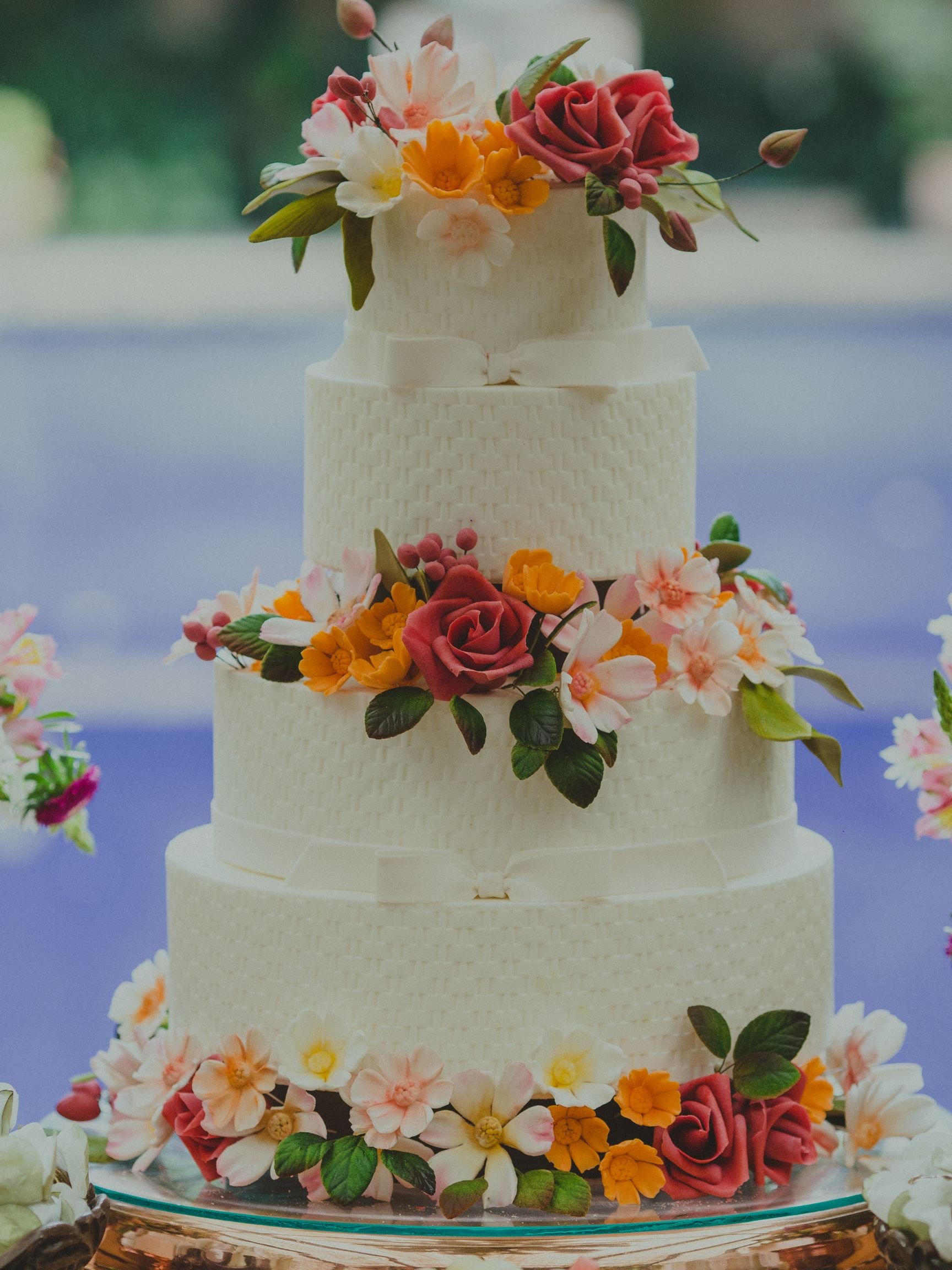
Setup fees typically range from $50 to $200, depending on the complexity of the cake design and the venue’s requirements. Cakes with intricate designs, delicate flowers, or multiple tiers tend to incur higher setup fees due to the extra time and care needed.
How to Avoid Surprises with Setup Fees
- Discuss the setup process in detail with your baker to understand what is included.
- Request a breakdown of any extra charges related to on-site setup.
- If your venue offers cake setup or coordination as part of its event services, ask how this might affect baker fees.
- Plan your cake design with simplicity in mind if you're on a tight budget, reducing potential setup costs.
Cake Cutting and Serving Fees: An Often-Overlooked Expense
What Are Cake Cutting and Serving Fees?
Cake cutting and serving fees, sometimes called slicing or plating fees, cover labor costs associated with preparing the cake slices and serving them to guests. This task might involve event staff or caterers who:
- Slice the cake into individual servings based on portion size
- Plate each slice appropriately, sometimes with additional garnishes
- Distribute or serve the plated cake at the reception
Many bakeries do not provide cake cutting services and instead charge clients to bring in event staff or recommend caterers who do.
Typical Costs for Cake Cutting Services
Cake cutting fees vary widely by location and scope of service.
- Some bakeries charge a flat fee between $1 to $3 per guest served.
- Others may include setup and cutting fees combined.
- In some cases, caterers integrate cake cutting as part of their service, reflected in overall catering costs rather than separate fees.
Advice for Handling Cake Cutting Fees
- Verify with your bakery if cake cutting is included or if you will need to hire separate staff.
- Consult your catering team on whether they provide cake cutting and serving services.
- Inquire about minimum guest counts or fees that apply regardless of the number of slices served.
- Request a detailed service agreement clarifying who is responsible for cake cutting to avoid disputes on your wedding day.
Additional Hidden Cake-Related Costs to Consider
Beyond delivery, setup, and cutting fees, there are other hidden expenses to watch for when budgeting your wedding cake:
- Taste Testing Fees: Some bakeries charge a fee for cake tastings, especially for larger orders.
- Retainer or Deposit: A non-refundable deposit is often required to secure your cake order.
- Extra Decorations: Custom sugar flowers, edible gold leaf, or intricate piping may add significantly to the price.
- Special Dietary Options: Gluten-free, vegan, or allergy-safe cakes can come with premium pricing.
- Servings Size Adjustments: Increasing the number of servings after the initial order can trigger price increases.
- Storage Fees: If your venue requires early delivery, refrigeration, or storage may come at extra cost.
How to Budget Smarter for Your Wedding Cake
Wedding budgeting can be stressful, especially when unexpected fees emerge. To better manage your cake budget and avoid surprises, follow these best practices:
- Request Full Pricing Details Early: Ask your baker for a comprehensive quote that includes delivery, setup, cutting, and any other potential fees.
- Compare Multiple Vendors: Different bakeries have varying pricing structures, so shop around to find the best fit for your budget and style.
- Include All Fees in Your Contracts: Make sure every charge is documented in writing to hold all parties accountable.
- Allocate a Contingency Fund: Set aside 5-10% of your cake budget for unexpected expenses.
- Discuss Responsibilities Clearly: Know whether the bakery, venue, or caterer will handle delivery, setup, and cake cutting.
- Keep Design Realistic: While elaborate cakes are beautiful, simpler designs can reduce hidden costs significantly.
- Coordinate with Your Wedding Planner: If you have a planner, they can help evaluate vendors and negotiate fees.
Why Transparency Matters in Wedding Cake Pricing
Transparent communication with your cake provider and vendors ensures your wedding budget stays on track and you get the cake of your dreams without surprises. It’s common for couples to focus only on the base cake price, but detailed discussions can reveal crucial cost elements often left out in initial conversations.
Remember, a wedding cake is not just a dessert; it’s a centerpiece and part of the larger event experience. Considering all related fees ahead of time saves stress and financial headaches as your big day approaches.
Final Thoughts on Managing Wedding Cake Hidden Costs
Wedding planning is full of little details that add up — the hidden costs of wedding cakes like delivery, setup, and cake cutting fees are a prime example. Being proactive in asking the right questions and understanding these cost components empowers you to make informed decisions. With careful budgeting and vendor transparency, you can enjoy a stunning cake that complements your wedding celebration perfectly.
By including these essential but often overlooked fees in your planning guides and budget conversations, you’ll ensure your wedding cake process is as sweet as the cake itself.