Understanding the Difference Between a Quinceañera and a Sweet 16
When it comes to milestone birthday celebrations for teenage girls, two of the most iconic and culturally significant events in the United States and Latin America are the Quinceañera and the Sweet 16. Both celebrations mark a young woman’s transition from childhood to young adulthood, but they differ greatly in origins, traditions, symbolism, and cultural significance. For families planning a Quinceañera or a Sweet 16, understanding these differences is essential to creating a meaningful and memorable event.
What Is a Quinceañera?
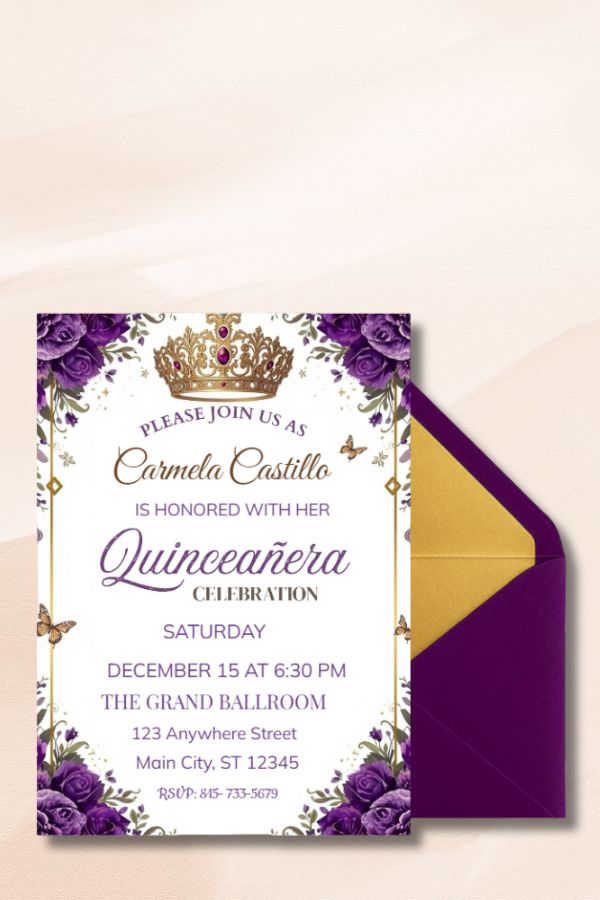
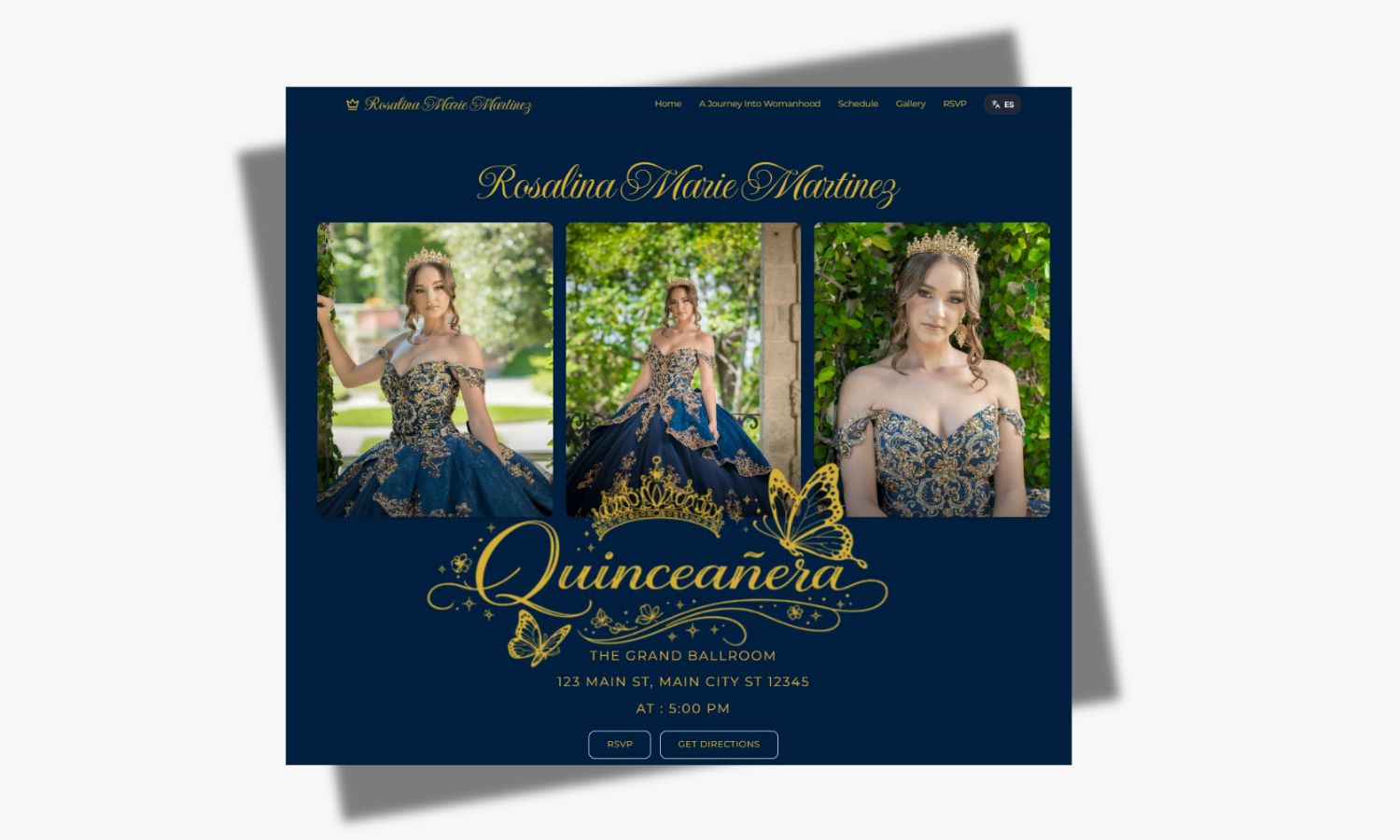
A Quinceañera is a traditional Latin American celebration that marks a girl's 15th birthday and her passage into womanhood. It is deeply rooted in Hispanic culture and has been celebrated for centuries, blending indigenous, Spanish colonial, and Catholic traditions.
Historical and Cultural Significance
The Quinceañera originated in Mexico but is now celebrated across Latin America and in Hispanic communities worldwide, including in the United States. This celebration reflects cultural pride and family unity. It honors the young woman’s growth, responsibility, and readiness to assume new social roles.
Key Traditions of a Quinceañera
- Religious Ceremony: Many Quinceañeras include a Catholic Mass where the birthday girl gives thanks and receives a blessing.
- The Gown: The Quinceañera traditionally wears a luxurious floor-length gown, often in soft pastel colors or white, symbolizing purity and elegance.
- Chaplet and Tiara: The presentation of the chaplet and tiara represents the girl’s faith and her new role as a young woman.
- Ceremonial Dance: The “Vals” or waltz, typically performed with her father or court of attendants (damas and chambelanes), is a highlight of the evening.
- Changing of Shoes: This ritual symbolizes the transition from childhood (flat shoes) to adulthood (high heels).
- Reception and Festivities: The party features traditional foods, music, dancing, and speeches by family and friends.
What Is a Sweet 16?
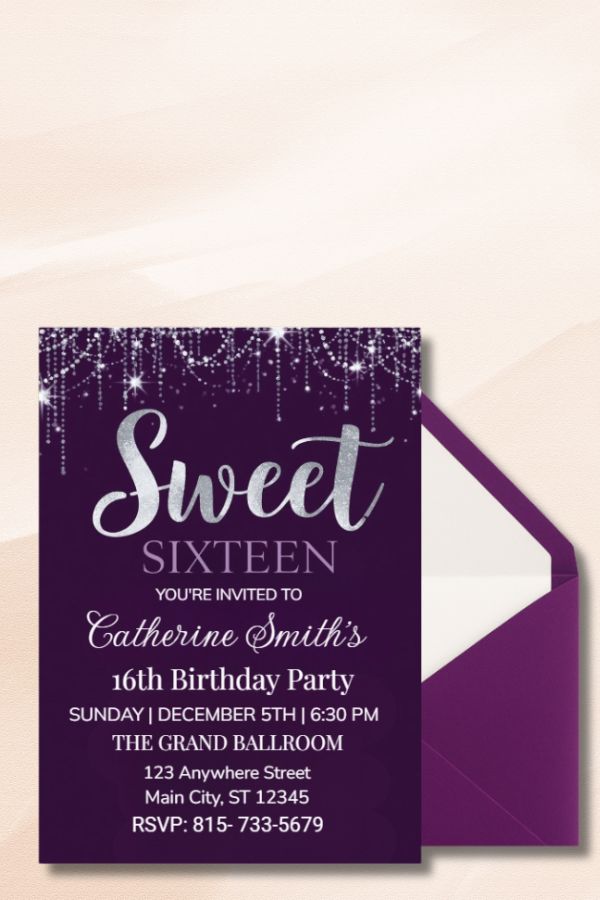
The Sweet 16 celebration is a popular tradition in the United States and Canada that celebrates a girl’s 16th birthday, symbolizing her journey toward adulthood. While it does not have religious roots like the Quinceañera, it is a significant social event often marked by lavish parties and personal expression.
Origins and Cultural Context
The Sweet 16 tradition traces back to Europe and North America, where 16 was historically considered an age of legal and social milestones such as driving, dating, and part-time work. In modern-day settings, a Sweet 16 party is predominantly a fun, informal, or semi-formal social gathering that celebrates friendship, family, and the birthday girl’s personality.
Popular Sweet 16 Traditions
- Birthday Party: Sweet 16 parties vary widely from casual get-togethers to extravagant events held in banquet halls or other venues.
- Theme and Décor: Birthday girls often choose a party theme that reflects their interests, favorite colors, or hobbies.
- Formal Dress: Though less ceremonial than the Quinceañera gown, many Sweet 16 girls wear elegant dresses or semi-formal attire.
- Cake and Entertainment: The celebration frequently includes a custom birthday cake, DJ or live music, dancing, and sometimes special activities such as games or photo booths.
- Gifts and Speeches: Guests bring gifts, and loved ones often give toasts or speeches during the event.
Comparing Quinceañera and Sweet 16: Key Differences
While both celebrations honor important birthdays and coming-of-age milestones, the Quinceañera and Sweet 16 are distinct in numerous ways. Below is a detailed comparison to help understand these differences:
Age and Cultural Background
- Quinceañera: Specifically celebrates a girl’s 15th birthday and is part of Hispanic and Latin American traditions.
- Sweet 16: Celebrates a girl’s 16th birthday and is primarily popular in the United States and Canada among diverse cultural groups.
Religious Significance
- Quinceañera: Often begins with a religious ceremony, such as a Catholic Mass.
- Sweet 16: Typically secular, focusing on social celebration without a formal religious component.
Symbolic Rituals
- Quinceañera: Incorporates symbolism like the changing of shoes, presentation of the tiara and doll, and the formal waltz.
- Sweet 16: Lacks standardized symbolic rituals but may include personal or family customs.
Event Formality and Style
- Quinceañera: Is usually a formal, structured event with traditional attire and planned ceremonies.
- Sweet 16: Can range from informal parties to semi-formal events, heavily influenced by the birthday girl’s preferences.
The Role of Family and Community
- Quinceañera: Emphasizes family involvement, community support, and cultural heritage.
- Sweet 16: While family participation is common, the event often highlights peer relationships and socializing.
Planning a Quinceañera: Essentials for an Unforgettable Celebration
Planning a Quinceañera involves several key components that reflect both tradition and the personal tastes of the birthday girl and her family. Below are essential steps and tips to help make the event special:
Choosing the Date
The Quinceañera is traditionally celebrated on or near the girl’s 15th birthday. Many families also consider venue availability, religious calendars, and family schedules when selecting the date.
Selecting the Venue
Common venues include churches for the religious ceremony and banquet halls or event spaces for the reception. Outdoor parks or restaurant spaces may also be options depending on the size and style of the celebration.
Gown and Attire
The Quinceañera gown is typically a ball gown style, symbolizing elegance and tradition. Attendants, called damas and chambelanes, wear coordinated formal attire. Matching accessories such as tiaras, gloves, and shoes complete the look.
Religious Ceremony Planning
Coordinate with the local parish for the Mass or blessing. Selecting readings, prayers, and music that reflect the birthday girl’s faith and heritage enhances the spiritual meaning of the event.
Court of Honor
The Quinceañera usually has a court made up of close friends and family who participate in the ceremony and reception dances. This can include damas (ladies-in-waiting) and chambelanes (male escorts).
Reception Activities
- Grand Entrance: The Quinceañera is formally introduced to the guests.
- Father-Daughter Dance: A touching moment emphasizing family bonds.
- Waltz Performance: Choreographed dances with the court are traditional highlights.
- Food and Celebration: A catered meal or buffet featuring traditional dishes such as tamales, arroz con pollo, or other Latin favorites is common.
- Speeches and Toasts: Family members and friends honor the birthday girl with heartfelt words.
- Cutting the Cake: A beautifully decorated cake is often a centerpiece of the celebration.
Why Choose a Quinceañera?
For many families of Hispanic descent, a Quinceañera is more than just a birthday party—it is a rite of passage that brings generations together to celebrate heritage, values, and faith. The event honors family traditions while giving the quinceañera an opportunity to express her identity and aspirations in a festive and meaningful way.
Planning a Quinceañera can also be a fulfilling experience that fosters collaboration among family members and creates lasting memories. While modern celebrations may include contemporary twists and personal customization, the heart of the Quinceañera remains rooted in cultural respect and community spirit.
Conclusion
Both the Quinceañera and Sweet 16 serve as important cultural milestones celebrating the transition into young womanhood. Understanding the distinctions between these two celebrations—from age and cultural origins to traditions and formality—allows families to honor their heritage and personal values when planning their event. For those celebrating a Quinceañera, embracing the rich customs and symbolism associated with the event helps create a meaningful and joyous occasion that honors both past and future generations.