Understanding the Ideal Timing for a Baby Shower
When planning a baby shower, one of the most common questions is, “When should you have a baby shower?” Knowing the best week to host this special event can ensure the mom-to-be is comfortable, excited, and able to fully enjoy the celebration. Timing plays a critical role in the overall success of the baby shower, making it essential to understand the best period during pregnancy to set a date.
Why Timing Matters for a Baby Shower
Baby showers are joyful occasions that bring family and friends together to celebrate the upcoming arrival of a new baby. Beyond fun and festivities, the timing of the shower affects the mom-to-be’s health, comfort, and convenience. Here’s why timing matters:
- Energy Levels: Expectant mothers often experience fluctuating energy levels during pregnancy. Planning the shower during a time when the mom-to-be feels her best ensures she can fully participate in the event.
- Health and Safety: Certain weeks during pregnancy may come with higher risks or increased discomfort, which can influence the decision on when to hold the shower.
- Gift Planning: Timing affects the usefulness of gifts. Having a shower too early or too late can impact what gifts the parents receive and when.
- Guest Availability: Scheduling during a time that works for key guests, especially close family and friends, enhances attendance and enjoyment.
General Guidelines: The Best Week to Have a Baby Shower
Most experts agree that the optimal window to host a baby shower falls between 28 and 34 weeks of pregnancy. This period is typically within the late second trimester to early third trimester. Let’s explore why this timeframe is ideal:
Why 28 to 34 Weeks? Key Reasons
- Increased Energy: Morning sickness and early pregnancy fatigue typically subside by the end of the second trimester, allowing the mom-to-be to be more energetic and engaged during the shower.
- Health Considerations: By 28 weeks, many of the common pregnancy risks associated with the first and early second trimester have decreased. Additionally, there is still enough time before the baby’s arrival to accommodate any last-minute needs.
- Comfortable Size: The belly is usually visibly showing, which adds to the celebratory atmosphere, but is not so large that mobility or comfort is significantly impaired.
- Gift Relevance: Parents receive necessary items in time to prepare the nursery and organize baby essentials before birth.
Exceptions to the 28-34 Week Rule
Every pregnancy is unique, so the recommended period may shift based on individual circumstances. For example:
- If there are high-risk pregnancy factors, the shower might be scheduled earlier or postponed based on medical advice.
- Some moms-to-be prefer an earlier shower to celebrate sooner or because they anticipate discomfort in the later months.
- In cases of twins or multiples, the shower may occur earlier due to increased physical demands.
Factors to Consider When Choosing the Best Week
Besides general pregnancy timing, other practical elements influence the ideal week to hold a baby shower:
Mom-to-Be’s Personal Preferences
The expectant mother’s comfort and desires should always be prioritized. Some moms enjoy celebrating earlier to share the excitement, while others prefer a more intimate gathering closer to the due date.
Season and Weather
Weather can significantly impact guests’ travel plans and overall enjoyment. Planning a baby shower during a season with comfortable temperatures and minimal travel disruptions is advisable—apply this when selecting the week.
Guest Schedules and Availability
Coordinating with key guests can help determine the best timing. For example, weekends, holidays, and school breaks often allow more people to attend. Flexible scheduling might be required to accommodate distant relatives and close friends.
Venue Availability
Popular venues may require early booking, which can influence the shower date. It is essential to confirm the venue before finalizing a week.
Maternity Leave and Travel Plans
Some moms-to-be prefer hosting their baby shower before starting maternity leave or traveling to visit family. Knowing their schedule can guide shower planning.
Month-by-Month Breakdown: Optimal Weeks for a Baby Shower
This section provides a detailed month-wise look at when to schedule a baby shower based on typical pregnancy progress.
Second Trimester (Weeks 13-27)
- Pros: Reduced nausea and fatigue, increasing comfort; less noticeable baby bump for a more subtle celebration.
- Cons: Some moms may still feel tired; baby gear needs may not be finalized, leading to multiple showers.
- Recommended Time: Late second trimester, around weeks 24-27, is preferable if choosing this trimester.
Early Third Trimester (Weeks 28-34)
- Pros: Ideal energy levels; visible baby bump for a celebratory feel; enough time for organizing gifts and setting up the nursery.
- Cons: Possible swelling or discomfort in some moms; need to be mindful of travel and activity limitations.
- Recommended Time: Best overall window for most baby showers.
Late Third Trimester (Weeks 35-40)
- Pros: Baby shower close to delivery, heightening excitement; friends and family can meet mom-to-be before birth.
- Cons: Higher risk of preterm labor; mom-to-be may have limited mobility; potential schedule changes if early delivery occurs.
- Recommendations: Plan with caution. Consider prior comfort and doctor’s advice before choosing this period.
Practical Tips for Planning the Perfect Baby Shower Week
Once you’ve decided on the timing, these actionable tips can help ensure the baby shower is memorable and smooth for everyone involved:
- Consult the Mom-to-Be: Engage the expectant mother early in the planning to understand her ideal timing and preferences.
- Check Medical Advice: If there are any pregnancy complications or concerns, consult healthcare providers about safe timing.
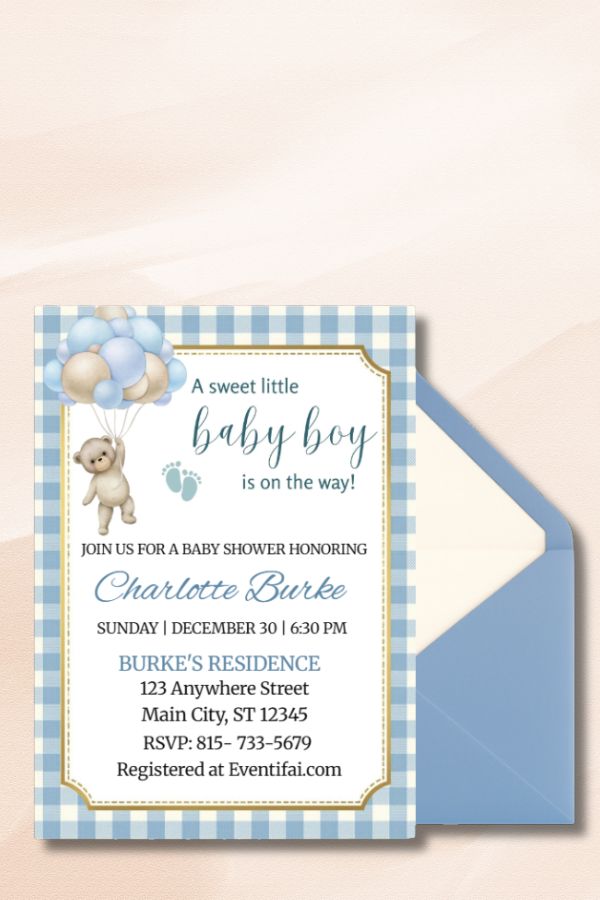
- Send Invitations Early: Provide ample notice to guests to accommodate scheduling and travel plans.
- Prepare Comfortable Settings: Arrange for seating, shade, and refreshments to keep the mom-to-be comfortable during the event.
- Consider Virtual Options: For guests who can’t travel or for high-risk pregnancies, virtual baby showers provide flexibility in timing and attendance.
- Keep It Simple: Avoid over-scheduling activities to ensure the mom-to-be can relax and enjoy the celebration.
Common FAQs About Baby Shower Timing
Can You Have a Baby Shower After the Baby Is Born?
Yes, some families opt for a “sip and see” or post-birth baby shower to introduce the baby to friends and family. However, traditional baby showers are typically held before the birth so parents can receive and organize gifts ahead of time.
Does It Matter If the Baby Shower Is Too Early?
Hosting a shower too early in pregnancy may mean the parents receive infant items before knowing essential details such as the baby’s gender (if they plan to find out) or specific needs. Also, early showers can make the excitement feel premature or be impacted by early pregnancy difficulties.
How Long Does a Baby Shower Usually Last?
A typical baby shower lasts 2 to 3 hours, which allows enough time for hosting games, gift opening, refreshments, and socializing without tiring out the mom-to-be.
Conclusion: Selecting the Best Week for a Baby Shower
Choosing when to have a baby shower is a balancing act that involves considering the mom-to-be’s health and comfort, gift timing, guest availability, and logistics. Generally, the sweet spot ranges from 28 to 34 weeks, providing an optimal mix of energy, excitement, and preparation time. However, flexibility and personalization are key to making this celebration truly special.
By following the timing guidelines outlined above and factoring in personal preferences and practical considerations, you can plan a baby shower that honors the mom-to-be and welcomes the new arrival with joy and love.