Can You Change Your Wedding Date After Sending Save the Dates?
Planning a wedding involves meticulous organization and coordination, and one of the first steps couples take is sending out save the dates to their invited guests. These pre-invitations are designed to give attendees advanced notice of the wedding date so they can mark their calendars and make travel arrangements. But what happens if unexpected circumstances force you to change your wedding date after sending out these save the dates? Is it possible to do so smoothly without causing confusion or frustration?
In this comprehensive planning guide, we’ll explore everything you need to know about changing your wedding date after sending save the dates. From understanding the implications to best practices for notifying guests, this article will help you navigate this process with minimal stress and maximum consideration.
Understanding Save the Dates and Their Purpose
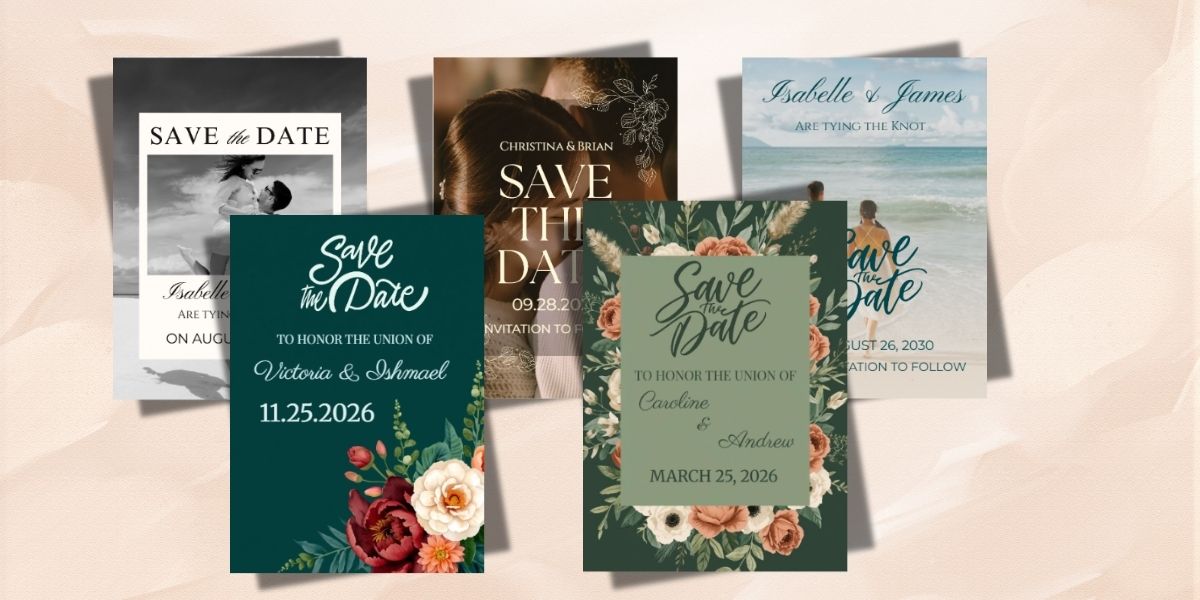
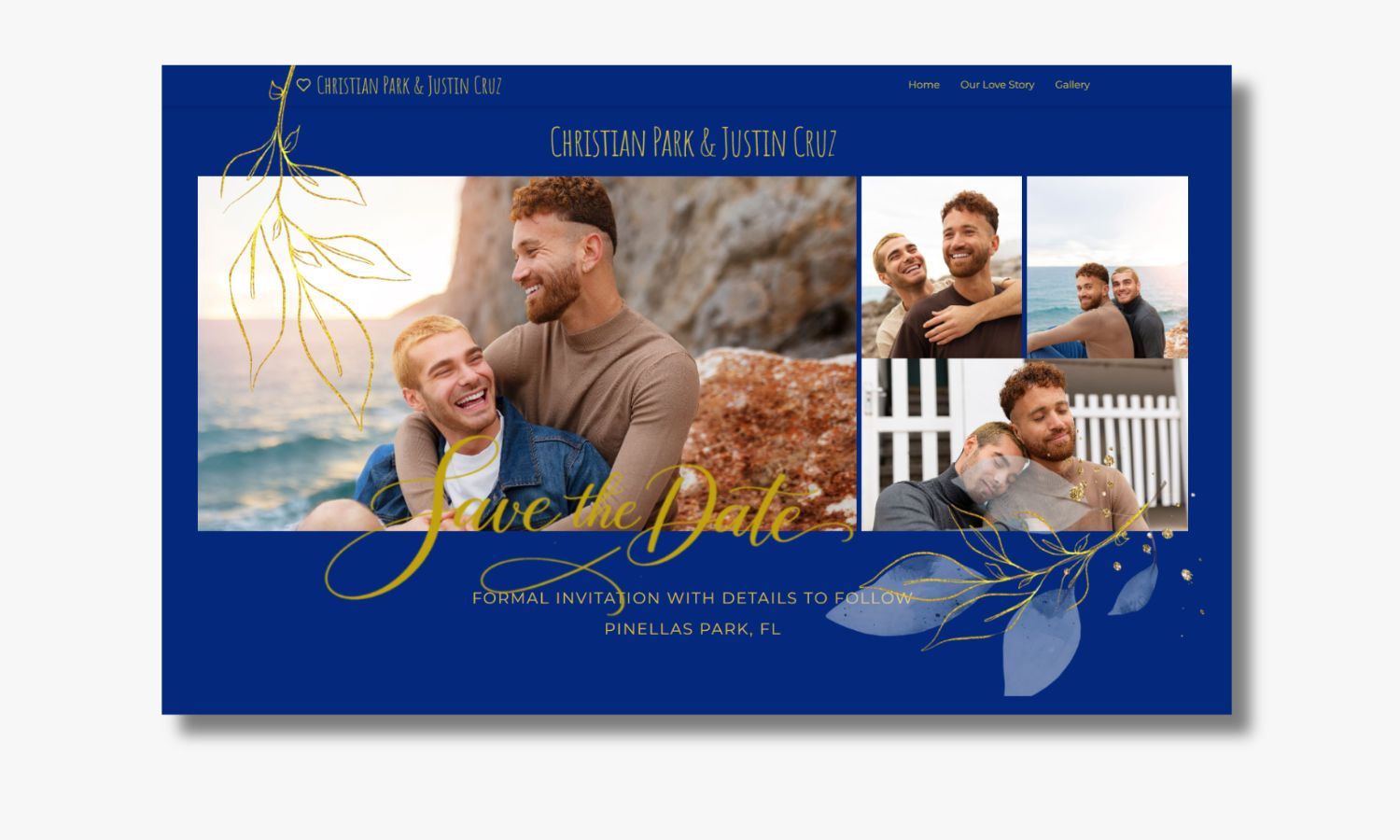
Before diving into changing your wedding date, it’s essential to understand what save the dates are and why they are sent out. Save the dates are typically sent several months before the formal wedding invitations and serve as an early alert for your guests. They include crucial information such as the wedding date, location, and sometimes accommodation details.
- Timing: Save the dates are usually sent 6 to 12 months before the wedding day.
- Purpose: To give guests ample time to plan, especially those traveling from out of town.
- Formality: These are not formal invitations, so they don’t include full event details.
Because save the dates are intended to secure guests' availability well in advance, changing your date after they have been distributed can cause logistical challenges, but it’s not impossible.
Reasons Why You Might Need to Change Your Wedding Date
Changing a wedding date after sending save the dates can stem from various unforeseen events. Some common reasons couples need to reschedule include:
- Venue issues: Double bookings, natural disasters, or last-minute cancellations by the venue.
- Vendor conflicts: Unavailability of key vendors such as photographers, caterers, or officiants.
- Personal emergencies: Health issues, family concerns, or major life changes.
- Financial considerations: Need more time to save or adjust the budget.
- Significant global events: Pandemics or other regional restrictions affecting gatherings.
Whatever the cause may be, it’s important to handle the change thoughtfully to maintain positive relationships with your guests and vendors.
Is It Possible to Change Your Wedding Date After Sending Save the Dates?
The answer is yes — you can change your wedding date after sending out save the dates. However, it requires the right approach to minimize inconvenience and confusion.
Since save the dates are an announcement of your wedding date, changing it means you need to communicate the update clearly and promptly. Delaying this can leave guests making arrangements for a date that is no longer accurate.
Factors to Consider Before Changing the Date
- Venue availability: Confirm alternate dates with your venue before announcing a change.
- Vendor coordination: Make sure key vendors are available for new date options.
- Guest accommodation: Consider guests who may have booked travel or hotels.
- Season and weather: Evaluate the impact a new date may have on the season or weather, which can impact decor and guest comfort.
- Budget implications: Some changes can lead to additional costs that need budgeting.
How to Notify Guests of a Changed Wedding Date
Effective communication is critical when changing your wedding date. Here are several steps and tips to handle this process gracefully.
1. Send a New Save the Date or Updated Notification
Once your new date is confirmed, promptly send out an updated save the date or a formal notice. This may be done through:
- Physical mail: Send a replacement save the date card or a separate “date change” card.
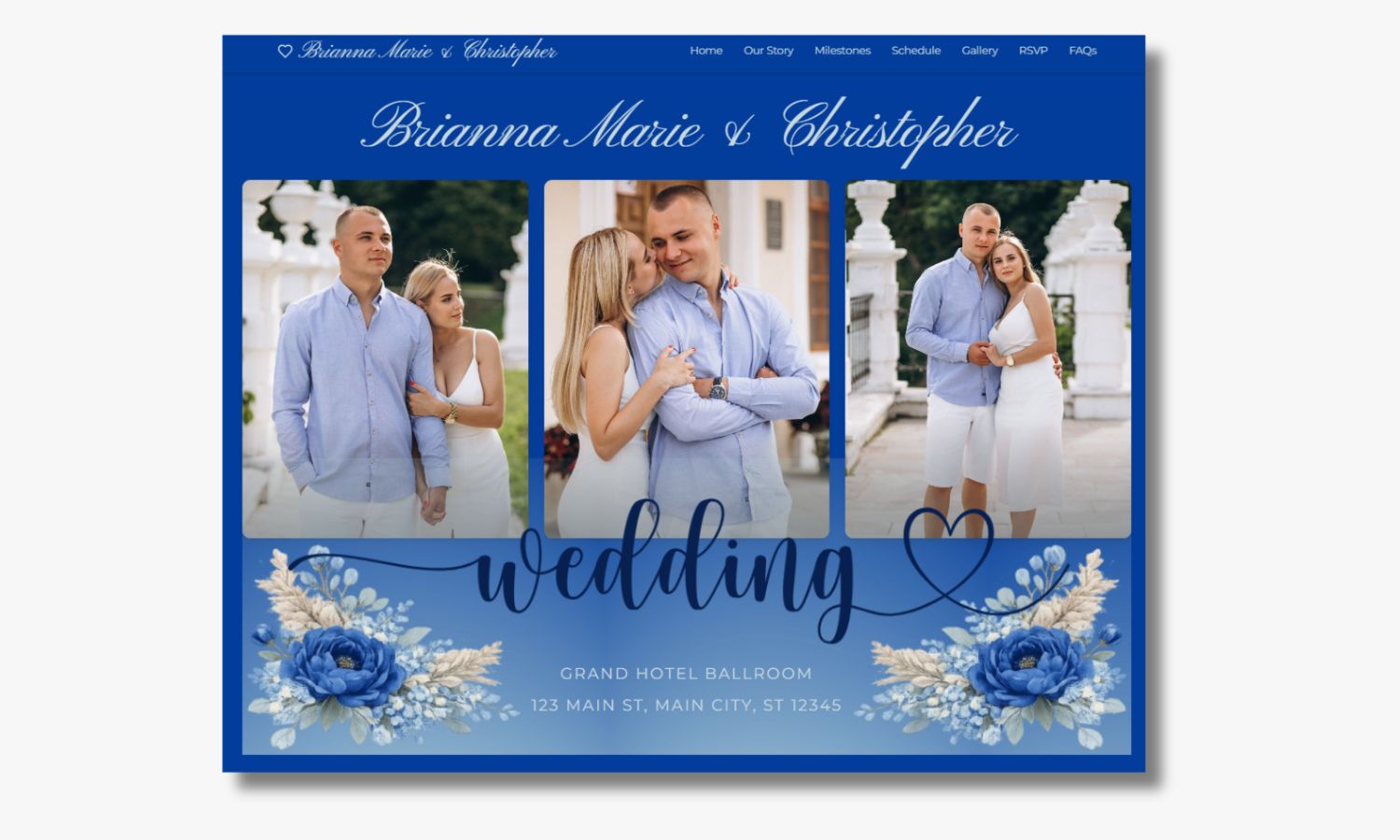
- Email: Use digital save the date platforms or wedding websites to broadcast the change quickly.
- Phone calls or texts: For close family and friends, personal calls can ensure they receive the update directly.
A well-crafted message should include the new date, a brief reason for the change if appropriate, and reassurance about your excitement to celebrate with guests.
2. Update Your Wedding Website
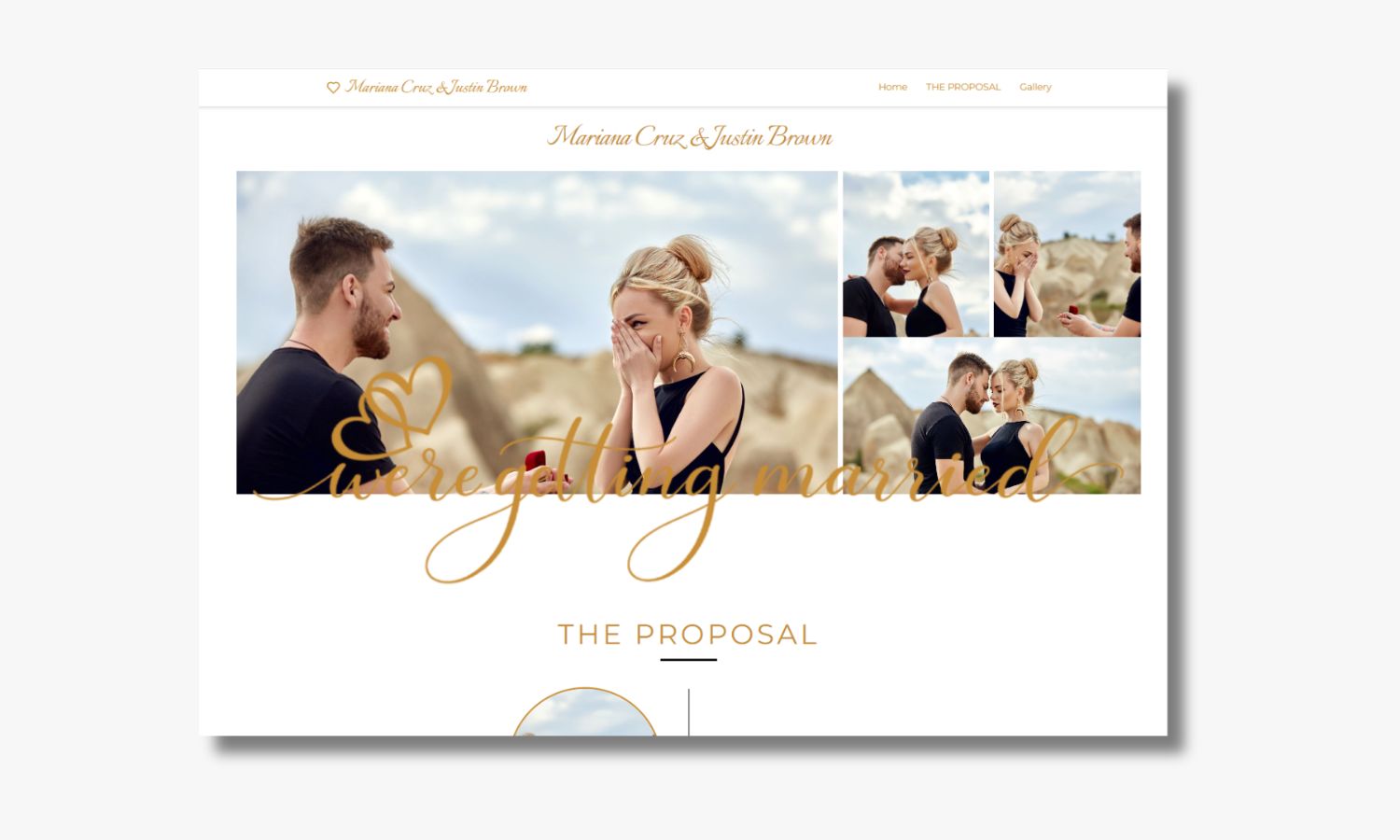
If you have a wedding website, update it immediately with the new date and any other pertinent details. Most couples use wedding websites as an informational hub, so this will be the primary source for guests to check for updates.
3. Use Social Media Carefully
If you and your guests use social media for event updates, a polite post or group message about the date change can be effective. Avoid over-posting, and always keep the tone positive and appreciative.
Tips to Minimize Guest Inconvenience
Changing your wedding date can impact guests’ plans, particularly those who have made travel arrangements or booked time off work. Here are ways to respect their time and minimize disruption:
- Give as much notice as possible: The earlier you inform guests, the more time they have to adjust.
- Be transparent—without oversharing: A simple explanation is enough to provide understanding.
- Provide hotel or travel update support: Offer information on cancelation policies or alternative accommodations.
- Be understanding about guests who can no longer attend: Reschedule with empathy for those affected.
- Consider hosting virtual participation: Offer options to join the celebration online for distant or unable guests.
Addressing Vendor and Venue Changes
Changing the wedding date can also impact your contracts and commitments with vendors and venues. Here are some recommendations for managing this smoothly:
- Review contracts carefully: Understand cancellation and rescheduling policies.
- Communicate early: Contact your vendors as soon as possible to discuss alternate dates.
- Consider fees: Some vendors may charge change fees or difference in pricing for new dates.
- Negotiate flexibility: Appeal to vendor relationships for accommodations on date changes.
- Confirm all changes in writing: Ensure all date changes, deposits, and fees are documented.
Should You Send a Formal Invitation for the New Date?
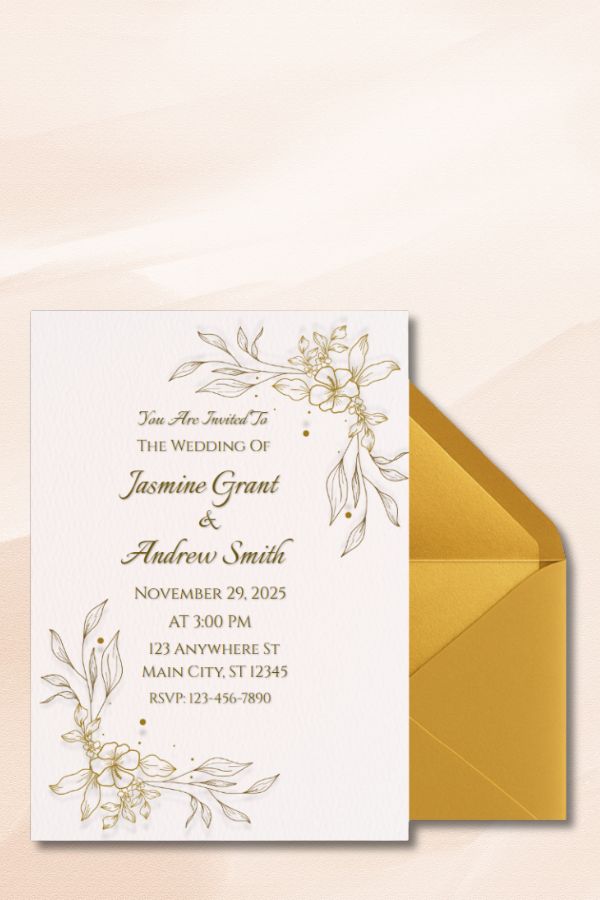
Since save the dates are considered a preliminary notice, you should send out your formal wedding invitations closer to the event regardless of any date changes. The formal invite will include full event details, location, timing, dress code, and RSVP instructions.
When sending your invitations for the new date, consider:
- Highlighting the date change: Especially for guests who received the first save the dates.
- Ensuring the RSVP deadline allows adequate planning: Particularly if your new date is closer than originally planned.
- Including updated travel/accommodation info: To assist guests with new arrangements.
How to Handle Guest Reactions and Attendance
Rescheduling a wedding can elicit varying reactions from guests. Some may be perfectly flexible; others might find it challenging to attend. Here are tools to manage these dynamics:
- Express gratitude: Thank guests for their understanding and effort to attend the new date.
- Offer assistance: Help guests navigate travel or accommodation changes when possible.
- Accept regrets graciously: Recognize that some can’t make the new date without judgment.
- Maintain open communication: Encourage guests to reach out with questions or concerns.
Final Thoughts on Changing Your Wedding Date After Sending Save the Dates
While changing your wedding date after sending save the dates is not ideal, it can be managed thoughtfully to ensure a positive outcome for both you and your guests. The key to success lies in timely, clear communication and consideration of everyone involved—from guests to vendors to the venue.
By addressing the complications with respect, organization, and flexibility, you can minimize stress and still create a memorable celebration on your new date. Remember that your wedding is a joyous event, and focusing on the love and connection you and your partner share will always be the most important part.