Can You Do Both? The Case for Hybrid Digital and Physical Stationery for Weddings
When it comes to wedding planning, stationery often plays a crucial role in setting the tone and sharing essential details with guests. Traditionally, physical wedding invitations and stationery have been the go-to choice for couples. However, with growing digital trends and environmental awareness, many are exploring hybrid options that blend digital and physical stationery elements. But can you do both? The answer is a resounding yes. This blog will delve into the benefits of hybrid digital and physical wedding stationery, offering planning guides and practical tips to help you decide if this modern approach suits your special day.
Understanding Hybrid Wedding Stationery
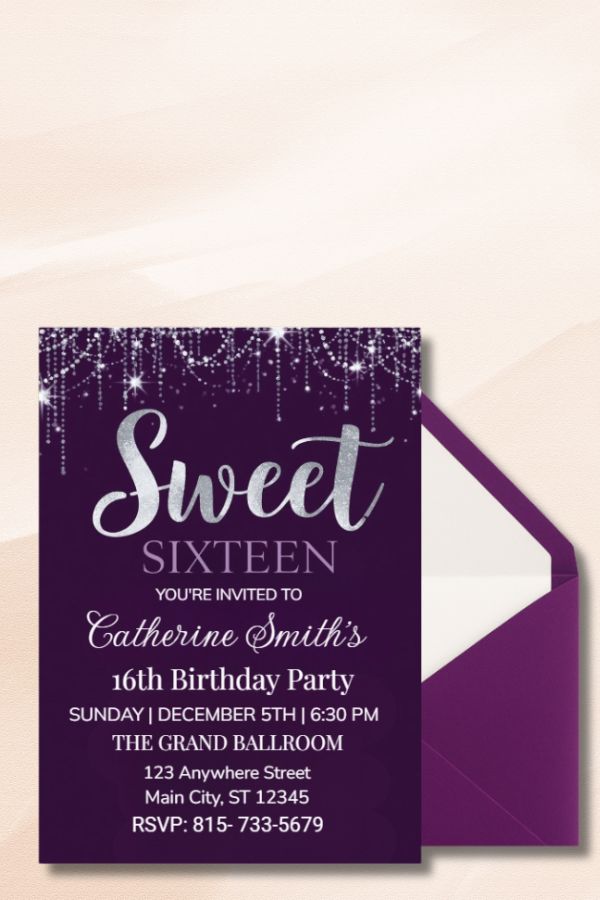
Hybrid wedding stationery refers to the combination of both digital and physical invitations and related printed materials for a wedding event. This approach leverages the strengths of each medium—traditional tangible invitations and the convenience and eco-friendliness of digital communication. Whether you’re sending save-the-dates, invitations, RSVP cards, or thank you notes, integrating the two formats can provide flexibility and customization, making wedding planning smoother and more effective.
Why Couples Choose Hybrid Wedding Invitations
- Convenience and accessibility: Digital invitations are instantly delivered and easy to RSVP to online, perfect for keeping track of responses in real time.
- Customization: Digital formats allow for dynamic content such as embedded videos and maps that physical cards cannot offer.
- Environmental concerns: Using digital stationery reduces paper waste, appealing to eco-conscious couples.
- Personal touch: Physical invitations provide the tactile experience and traditional sentiment many couples want.
- Budget management: Combining digital invites with minimal physical cards can save money on printing and postage.
The Advantages of Hybrid Wedding Stationery
1. Enhanced Guest Experience
Wedding guests come from diverse backgrounds and technological comfort levels. Some guests prefer receiving an elegant, physical invitation they can hold and cherish. Others, especially younger guests, appreciate prompt and convenient digital invitations accessible on their phones or computers. Offering both methods ensures all of your guests feel included and respected.
2. Streamlining RSVP Management
Digital platforms make managing RSVPs easier by providing automated tracking tools, reminders, and instant updates. Physical invitations can include QR codes or links directing guests to an online RSVP form, reducing the chances of lost mail or confusing replies. This hybrid functionality simplifies the process and gives you reliable data to plan your seating and catering.
3. Cost Efficiency
While custom physical wedding stationery can be expensive—factoring in printing, envelopes, and postage—digital invitations dramatically reduce these costs. By sending digital cards for most guests but reserving physical invitations for close family and guests less comfortable with technology, couples can achieve a good balance between cost and style.
4. Eco-Friendly Wedding Planning
Hybrid stationery greatly reduces paper waste without completely eliminating physical invitations. Digital components cut back on the number of cards printed, and eco-friendly paper choices for your physical invitations further reduce environmental impact. This makes hybrid invitations a smart choice for couples prioritizing sustainability.
Planning Your Hybrid Wedding Stationery
Step 1: Segment Your Guest List
Start by assessing your guest list. Identify who prefers physical mail and who would appreciate or expect digital communication. Consider factors like age, location, and technology access. This segmentation lets you tailor your stationery strategy efficiently.
Step 2: Design Cohesive Invitations
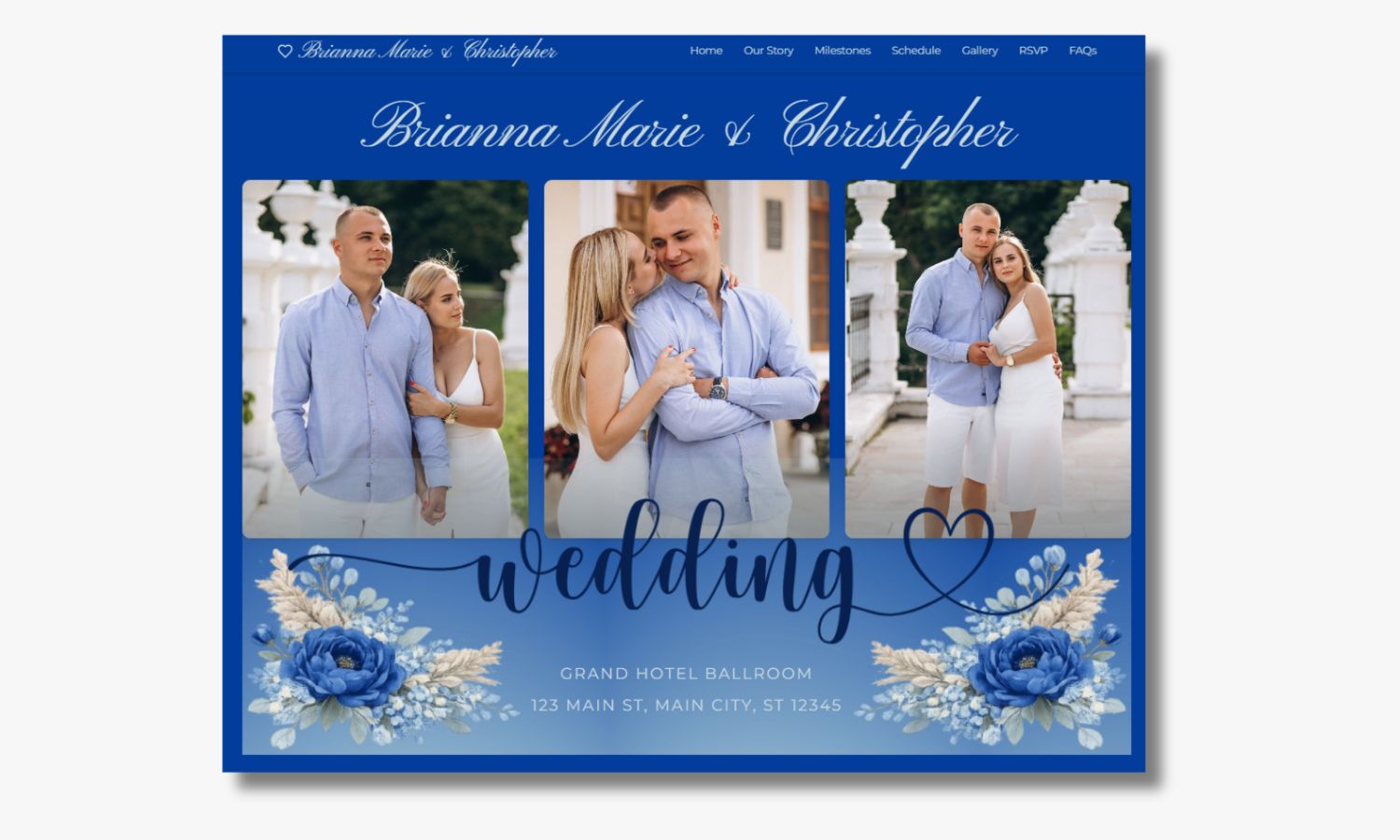
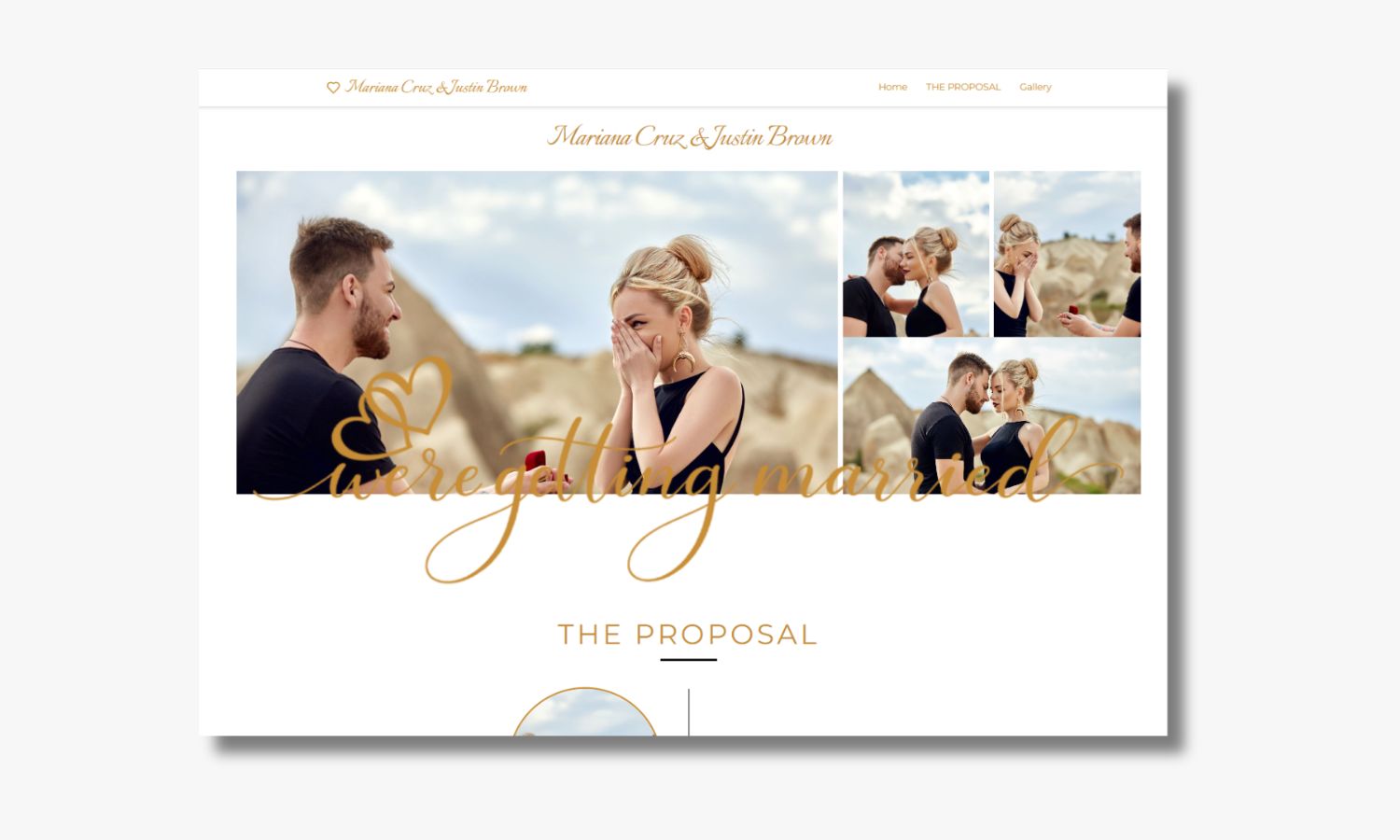
To ensure your wedding invites feel unified, keep the design consistent across both formats. Use the same color schemes, fonts, imagery, and overall style for physical and digital versions. Many online invitation makers and printing services offer templates adaptable for both print and digital use, helping maintain brand cohesion.
Step 3: Choose the Right Digital Platform
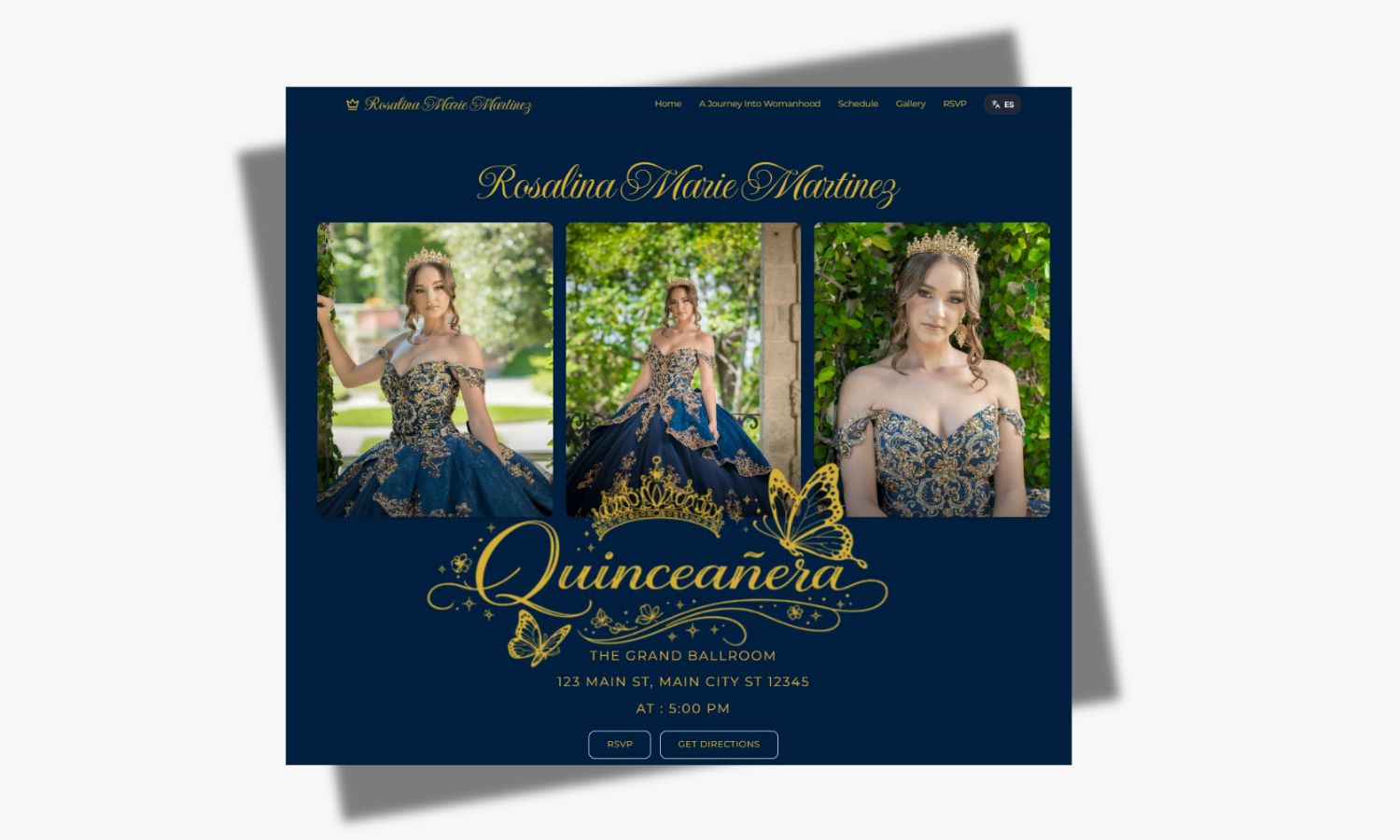
Pick a reliable digital invitation platform that offers RSVP tracking, automated reminders, and guest messaging. Popular platforms often integrate with wedding websites where you can add details like venue maps, schedules, and accommodation info. Make sure the platform is easy to use for guests of all tech levels.
Step 4: Incorporate QR Codes in Physical Invitations
Adding QR codes on your physical invitations that link to your wedding website or RSVP form combines the tactile nature of traditional invitations with the conveniences of digital interaction. This hybrid method encourages guests to engage online even if they receive a physical invite.
Step 5: Include Clear Instructions for Guests
Whether guests receive physical or digital stationery, clear directions on how to RSVP and access additional wedding information are essential. This helps avoid confusion and increases the likelihood of timely responses, allowing you to finalize important logistics.
Common Wedding Stationery Items in a Hybrid Setup
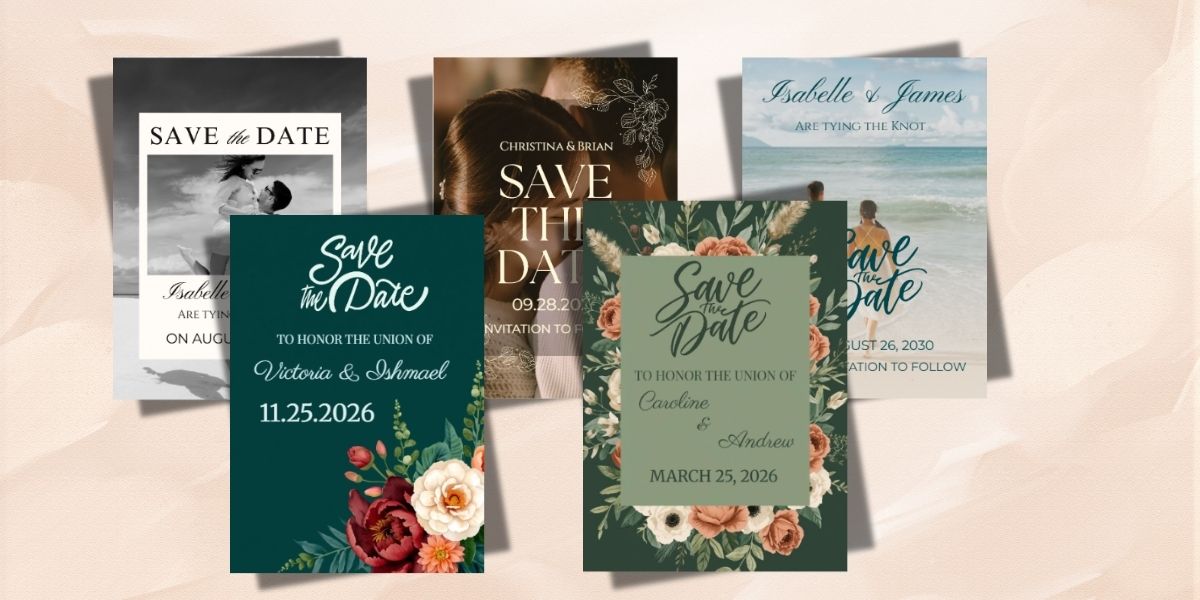
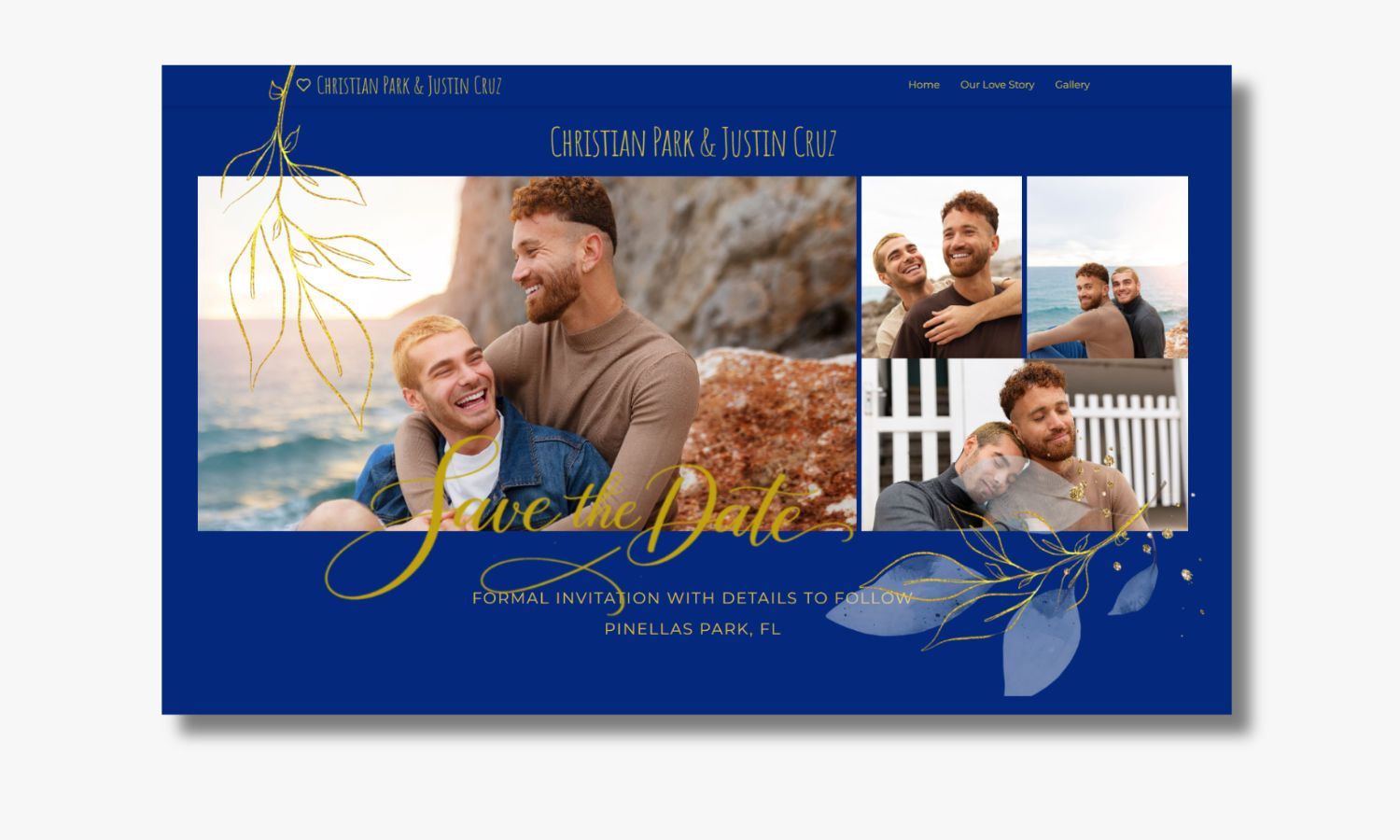
- Save-the-Dates: Typically digital for broad dissemination, but special physical keep-sakes for close family.
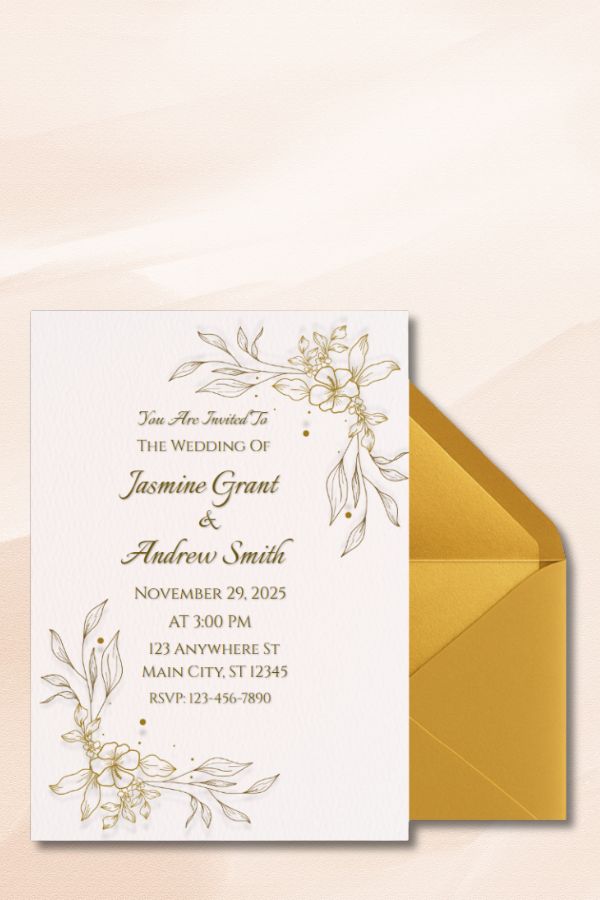
- Invitations: Physical invites sent to local or older guests; digital invites for out-of-town or tech-savvy friends.
- RSVP Cards: Embedded in digital invitations with online forms; physical RSVP cards included for paper-invite recipients.
- Details Cards: Online details expanded on the wedding website linked via QR codes on printed cards.
- Thank You Cards: Physical cards sent to guests who gave gifts; digital thank-you notes or email updates for others.
SEO Best Practices for Wedding Planning Guides Featuring Hybrid Stationery
When writing wedding planning guides or blog posts about hybrid wedding stationery, incorporating relevant keywords naturally throughout your content is essential for SEO success. Here are some tips to optimize your blog:
- Use Primary Keywords: Incorporate terms like “hybrid wedding invitations,” “digital and physical wedding stationery,” “eco-friendly wedding invitations,” “wedding RSVP management,” and “wedding planning guides.”
- Maintain Keyword Density: Ensure your keywords appear naturally and aren’t stuffed. The article should flow well for human readers while signaling relevance to search engines.
- Include Long-Tail Keywords: Use phrases such as “benefits of hybrid digital and physical wedding invitations,” “how to send hybrid wedding stationery,” and “wedding invitation trends 2024.”
- Write Descriptive Subheadings: Use
<h2>and<h3>tags with keywords embedded to help search engines understand the content hierarchy. - Optimize Readability: Break content into short paragraphs and lists for easy scanning. Include clear explanations and actionable advice.
- Internal Linking: Link to related wedding planning guides or articles within your website to improve SEO and site navigation.
Conclusion
Hybrid digital and physical wedding stationery represents an innovative and practical approach that combines the best features of both traditional and modern invites. It offers significant advantages in terms of guest experience, budget management, environmental responsibility, and seamless wedding planning. Successfully implementing hybrid invitations involves thoughtful guest segmentation, cohesive design, and clear communication.
As more couples embrace technology without sacrificing the classic appeal of printed stationery, hybrid invitations and planning guides like those provided by Eventifai will become a standard practice for future weddings. Whether you're planning an intimate gathering or a grand celebration, hybrid wedding stationery can be tailored to fit your unique style while simplifying one of the most important aspects of your wedding planning.