Understanding “Change the Date” Cards for Your Wedding
Planning a wedding involves numerous moving parts, and sometimes unforeseen circumstances require date adjustments. Whether it’s due to vendor conflicts, venue availability, or personal reasons, shifting your wedding date can feel overwhelming. However, communicating this change effectively with your guests is crucial to ensure everyone remains informed without confusion. This is where “Change the Date” cards become an essential tool in wedding planning.
“Change the Date” cards are specially designed notes sent to your wedding guests to notify them of a new wedding date after an initial save-the-date or formal invitation has already been distributed. These cards help maintain clear communication and demonstrate consideration for your guests’ schedules, giving them ample time to adjust their plans.
Why Sending “Change the Date” Cards is Important
When your wedding date shifts, it’s not just a minor inconvenience – it impacts travel arrangements, accommodations, childcare plans, and work schedules for your guests. Ignoring proper communication can lead to:
- Guest confusion about the correct date
- Missed RSVPs or incorrect attendance counts
- Increased stress and frustration among friends and family
- Potential decline in attendance due to short notice
By sending professionally crafted “Change the Date” cards, you uphold transparency and show respect for your loved ones’ time. This thoughtful gesture supports smoother wedding planning and helps preserve the excitement around your special day.
When Should You Send “Change the Date” Cards?
The timing of sending your “Change the Date” cards is critical for maximizing their effectiveness. Follow these guidelines to keep your guests well-informed:
- Send as soon as the new date is finalized: Minimizing delays ensures guests have sufficient time to adjust their schedules and make travel plans.
- Send within a reasonable timeframe: Ideally, send the cards at least 6-8 months prior to your wedding date, or at least several months before the original date if rescheduling due to unavoidable circumstances.
- Coordinate with other wedding communications: If you have already mailed formal invitations with the original date, these cards should be sent immediately after you confirm the change to avoid confusion.
How to Design Effective “Change the Date” Cards
A well-crafted “Change the Date” card balances clarity, tone, and visual appeal. Below are essential elements and tips to keep in mind when designing your cards:
Essential Information to Include
- Clear announcement: Begin with a direct statement such as “Our wedding date has changed” or “Please note our updated wedding date.”
- Original date: Including this helps guests recall the previous schedule and recognize the change.
- New date and time: Prominently display the revised wedding date and, if relevant, updated timing details.
- Location: Confirm if the venue remains the same or if it has changed.
- RSVP reminder: Include updated RSVP instructions or deadlines if applicable.
- Contact information: Provide an email address or phone number for guests to reach out with questions.
Design Tips for Maximum Impact
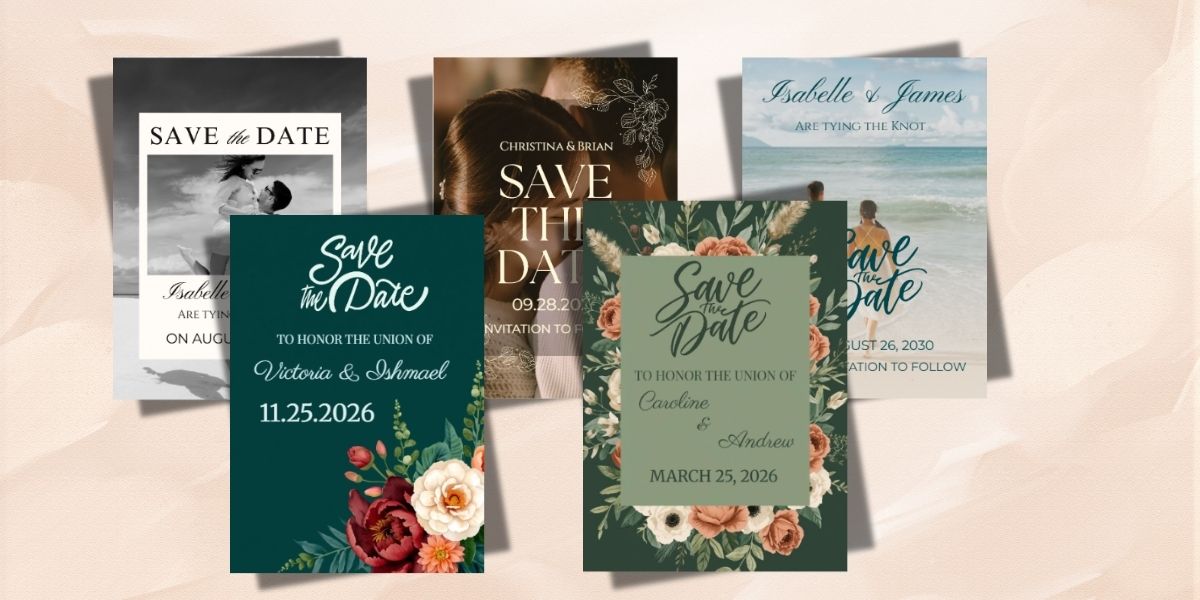
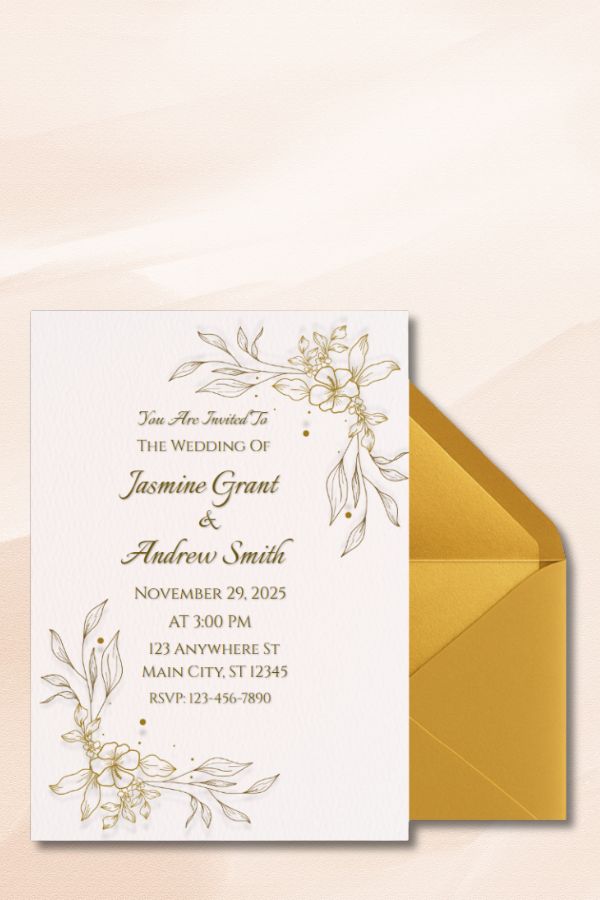
- Keep it simple and elegant: Use clean fonts and a well-organized layout that reflects your wedding’s theme.
- Use matching color schemes: Coordinate with your save-the-date or invitation color palette for consistency.
- Add a personal touch: Consider including a brief message explaining the reason for the change or expressing gratitude for guests’ understanding.
- Choose quality materials: Professional printing and sturdy cardstock show care and attention to detail.
Digital vs. Physical “Change the Date” Cards
Deciding between physical and digital “Change the Date” cards depends on various factors including budget, timeline, and guest demographics.
Benefits of Physical Cards
- Formal and tangible: Physical cards feel official and can be kept as keepsakes.
- Reach all guests: Some guests might not have consistent access to digital communication.
- Matching wedding stationery: Coordinating physical cards with other printed wedding materials enhances the overall aesthetic.
Advantages of Digital Cards
- Instant delivery: Digital cards reach guests quickly, ideal for last-minute date changes.
- Cost-effective: Save on printing and postage.
- Interactive features: Include links to wedding websites, RSVP portals, or updated event details easily.
- Environmentally friendly: Minimal paper waste reduces your event’s carbon footprint.
Many couples opt for a hybrid approach, sending physical cards to close family and older guests, while using email or wedding apps for the tech-savvy crowd.
Best Practices for Distributing “Change the Date” Cards
Proper distribution helps ensure your updated wedding information reaches everyone it needs to.
Confirm Your Guest List
Review your guest list thoroughly before sending out “Change the Date” cards. Confirm mailing addresses and email contacts to minimize delivery issues.
Use Reliable Mailing Services
If sending physical cards, choose trusted postal or courier services. Consider adding tracking options for valuable mailings.
Personalize Where Possible
Handwritten envelopes or adding a personalized note can make guests feel valued and appreciated, especially when sharing sensitive changes like rescheduling a wedding.
Follow Up
After sending the cards, consider following up with phone calls, texts, or emails to key guests who may have questions or require further information.
Common Questions About “Change the Date” Cards
Can I use “Change the Date” cards instead of sending new invitations?
“Change the Date” cards are typically intended to inform guests of a new date when save-the-dates or invitations have already been sent. For significant changes, you may still need to send updated invitations closer to the event to provide full details.
What if the venue changes as well?
If your venue changes along with the date, be sure to include the new location on your cards. Offering a map or directions via a wedding website can be very helpful for guests.
Should I explain why the date changed on the card?
A brief, polite explanation can be appreciated but keep it succinct and positive. For example, “Due to unforeseen circumstances, we have rescheduled our wedding” is sufficient. Save longer explanations for direct conversations.
Conclusion
“Change the Date” cards are an indispensable part of wedding planning when your plans shift. They provide clarity, reduce stress, and demonstrate your thoughtfulness toward guests who invest time, money, and energy into celebrating your marriage. By understanding when to send these cards, what details to include, and how to design and distribute them effectively, you can navigate a wedding date change smoothly and maintain the excitement surrounding your special day.