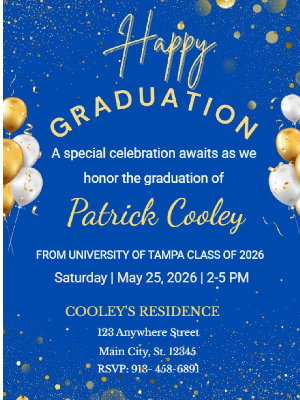
Introduction to Digital Graduation Hubs and Paper Cards
Graduation season marks a milestone filled with celebration, reflection, and a myriad of organizational challenges. Traditionally, graduation events have relied heavily on paper invitations, cards, and memorabilia to communicate and commemorate. However, as we approach 2026, an emerging trend is shifting how graduates, families, and institutions engage: digital graduation hubs. This evolution from paper cards to dynamic online platforms not only streamlines event planning but also enhances user experience and sustainability efforts. In this article, we explore why 2026 is poised to become the year of the URL, marking a definitive shift from physical to digital graduation solutions.
What Are Digital Graduation Hubs?
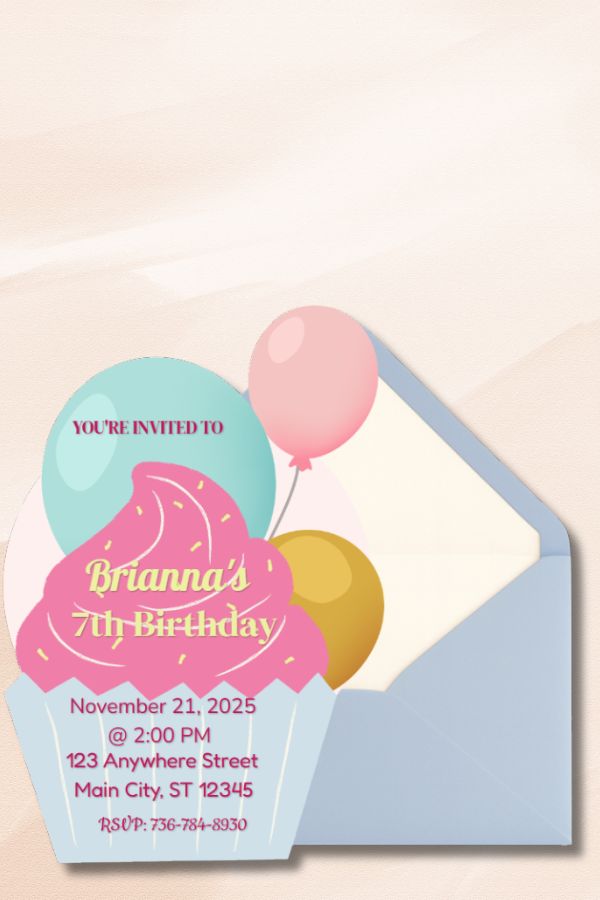
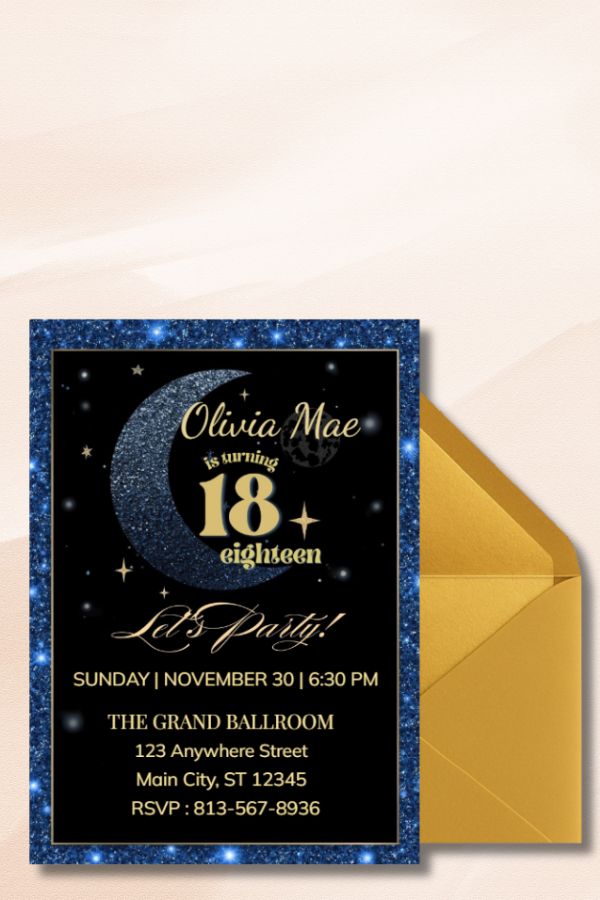
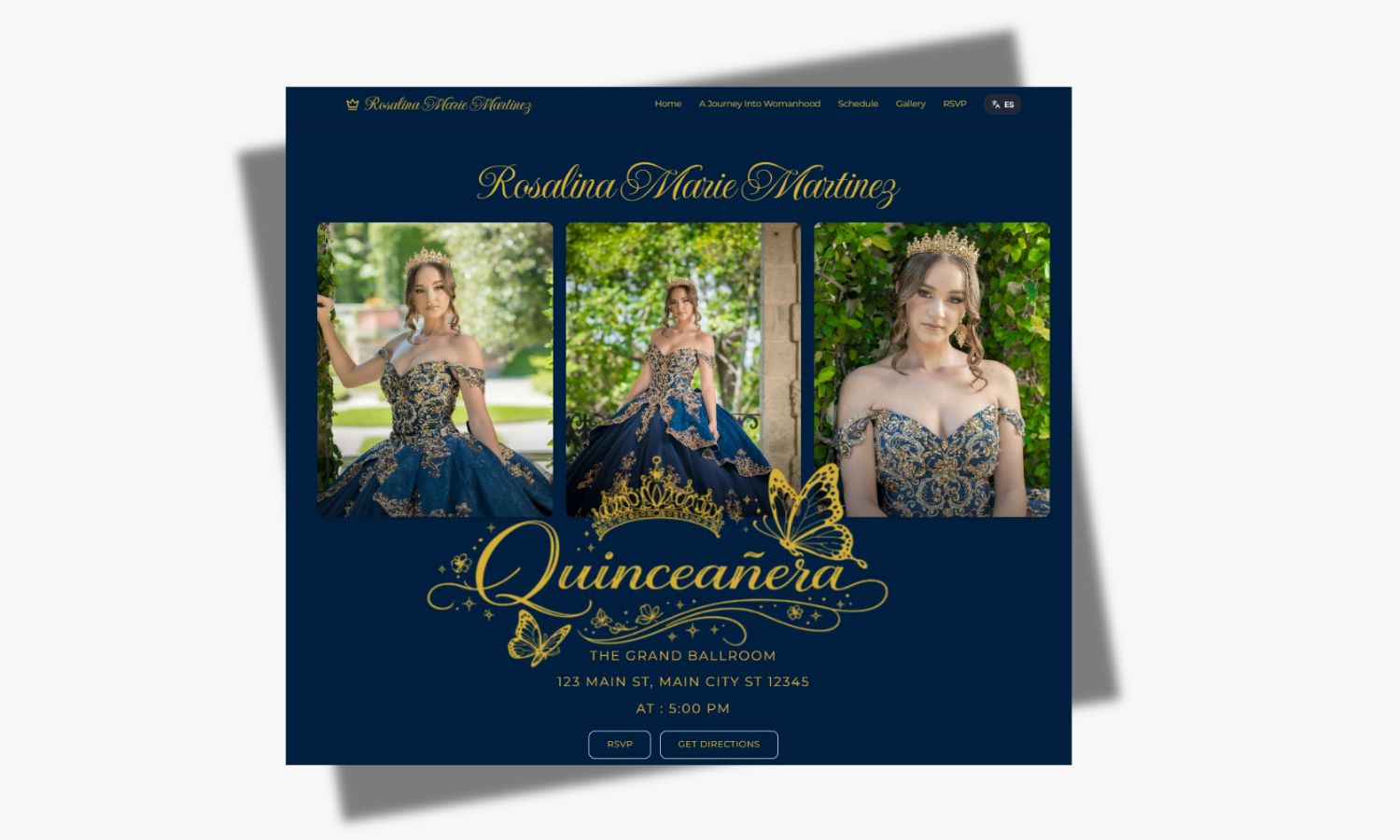
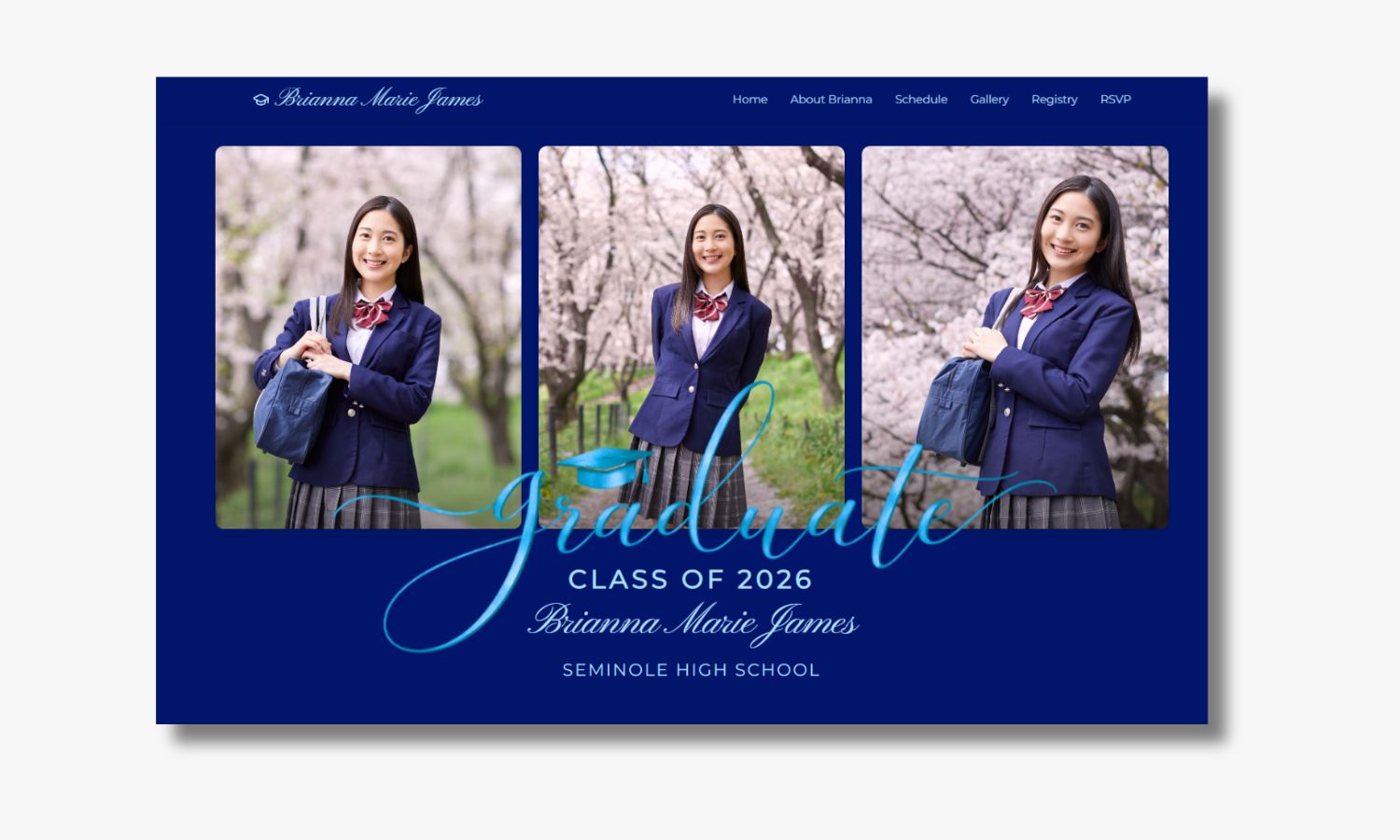
Digital graduation hubs are centralized online platforms designed specifically for managing and celebrating graduation events. These hubs serve as virtual environments where graduates, their families, and event organizers can access everything related to the ceremony—from invitations and schedules to multimedia galleries and guest interactions.
Unlike static paper cards, these digital hubs offer interactive features such as:
- Personalized graduation pages for each student
- Real-time updates on event timing and venue changes
- Virtual guestbooks and message boards
- Multimedia sharing including photos, videos, and live streams
- Integration with social media channels
The Limitations of Traditional Paper Cards
Paper cards have been a staple of graduation communications for decades, yet they come with several inherent drawbacks in today’s fast-paced and eco-conscious world.
1. Environmental Impact
The production, printing, and distribution of paper cards contribute to deforestation, waste, and carbon emissions. Many families and institutions are becoming increasingly aware of the need to reduce their environmental footprint, making paper less desirable than ever before.
2. Limited Functionality
Paper cards are static with fixed information that cannot be updated once printed, leading to potential miscommunication if details change. They also lack the interactive and multimedia capabilities that modern users expect.
3. Cost and Logistical Challenges
Designing, printing, and mailing paper invitations or cards can be costly and time-consuming. There is also the risk of cards getting lost or delayed in the mail, causing inconvenience to attendees.
Why 2026 Is the Year of the URL
Every industry experiences transformational shifts as technology advances, and graduation event planning is no exception. Several factors indicate that 2026 will be a milestone year for the widespread adoption of digital graduation hubs.
1. Increased Digital Literacy
Both younger generations of graduates and older family members have become more comfortable with online platforms, making digital hubs more accessible and user-friendly than ever before.
2. Advancements in Web Technology
Improvements in website design, mobile compatibility, and streaming technology provide seamless experiences that paper materials simply cannot replicate.
3. Sustainability and Institutional Policies
Many schools and universities are moving toward green initiatives, seeking to minimize paper waste and reduce event costs, which aligns well with digital solutions.
4. Pandemic-Driven Changes
The COVID-19 pandemic accelerated the use of virtual components in graduation ceremonies. Hybrid and fully virtual events now benefit from integrated digital platforms, establishing a precedent moving forward.
Benefits of Digital Graduation Hubs Over Paper Cards
The shift from paper to digital offers numerous advantages that directly impact the planning and experience of graduation events.
1. Convenience and Accessibility
Graduates and their families can access information anytime and from anywhere via their smartphones, tablets, or computers. Digital hubs centralize event details, reducing confusion and the need for multiple communication channels.
2. Enhanced Engagement
Features like guestbooks, live interaction during ceremonies, and multimedia sharing encourage participation and community-building beyond what paper cards can offer.
3. Cost-Effectiveness
While initial setup of a digital hub might involve some expense, the elimination of printing, postage, and physical materials results in overall savings for schools and families.
4. Real-Time Updates and Flexibility
Schedules, venues, and other critical information can be updated instantly, ensuring that attendees always have the most current information.
5. Long-Term Keepsakes
Digital platforms can archive memories such as photos, videos, speeches, and guest messages, creating lasting digital yearbooks accessible for years to come.
How to Plan a Graduation Event Using a Digital Hub
Moving into 2026, integrating a digital graduation hub into your event planning process requires careful consideration and strategic steps to maximize its benefits.
- Select the Right Platform: Choose a digital hub provider that offers robust features, ease of use, and customization options.
- Customize Content: Tailor the graduation hub with school branding, personalized student pages, and relevant multimedia to create a meaningful user experience.
- Communicate with Attendees: Share URLs early and often via email, social media, and school newsletters to ensure everyone knows how to access the digital hub.
- Enable Interactivity: Use guestbooks, live chat, and social sharing to foster engagement during and after the ceremony.
- Archive Event Materials: Post-event, use the hub to preserve photos, speeches, and recordings, so graduates and families can revisit the memories.
SEO Best Practices for Graduation Event Websites
For schools, event planners, or organizations managing digital graduation hubs, optimizing websites for search engines is vital for visibility and attendee engagement. Implementing SEO strategies will make it easier for prospective graduates and their families to find relevant information.
1. Use Relevant Keywords Naturally
Incorporate targeted keywords such as "digital graduation hub," "online graduation invitations," "virtual graduation 2026," and "graduation planning guide" throughout your content—especially in headings, titles, and meta descriptions—without overstuffing.
2. Optimize Website Structure
Ensure URLs are clean, user-friendly, and descriptive. Use proper heading tags (<h2>, <h3>) to organize content logically for both users and search engines.
3. Mobile Optimization
Many users will access the digital hub via smartphones or tablets, so responsive design is critical. Mobile-friendly sites rank higher on search engines and improve user experience.
4. Fast Loading Times
Optimize images and code to minimize loading times. Site speed is a key ranking factor and crucial for keeping visitors engaged.
5. Quality Content and Updates
Publish comprehensive and helpful information that addresses the concerns of graduates and families. Keep content up-to-date with event changes and new features.
Comparison Summary: Digital Graduation Hubs vs. Paper Cards
| Aspect | Digital Graduation Hubs | Paper Cards |
|---|---|---|
| Accessibility | Available anytime, anywhere online | Physical delivery required; risk of loss or delay |
| Sustainability | Environmentally friendly; minimizes paper waste | Paper use contributes to environmental concerns |
| Functionality | Interactive features, real-time updates | Static information, no interaction |
| Cost | Lower overall cost after initial setup | Printing, mailing, and material costs add up |
| Memory and Keepsake Value | Permanent digital archives and media | Physical keepsakes that can be lost or damaged |
Future Trends in Graduation Event Planning
As we look beyond 2026 and the rise of digital graduation hubs, technological innovation will continue to shape how graduates and institutions commemorate milestones.
- Augmented Reality (AR) and Virtual Reality (VR): Immersive experiences could allow remote guests to feel as if they are attending in person.
- Blockchain and NFTs: Digital diplomas and certificates secured via blockchain could verify credentials and preserve memories as unique digital assets.
- AI-Driven Personalization: Customization engines might generate tailored event schedules, messages, and memorabilia based on individual preferences.
Conclusion
In summary, the shift from paper cards to digital graduation hubs is set to redefine how graduation events are planned and experienced in 2026. Digital solutions offer unparalleled flexibility, engagement, cost savings, and environmental benefits that paper simply cannot match. For graduates, families, and educational institutions alike, embracing URLs as the primary mode of communication and celebration represents a smart, forward-thinking step toward the future of ceremonies. As digital literacy improves and technology evolves, digital graduation hubs will become the new norm, offering richer, more inclusive, and sustainable graduations for years to come.