Understanding the Importance of Save the Dates in Wedding Planning
When planning a wedding, one of the most common questions couples ask is whether they really need to send save the date cards. Save the dates have become a popular part of modern wedding etiquette, allowing guests to mark their calendars well in advance of the big day. However, as with many aspects of wedding planning, there are situations where sending save the dates may not be necessary or practical.
Before diving into specific scenarios where you can skip sending save the dates, let's first explore what they are and their overall purpose in wedding planning guides.
What Are Save the Dates and Why Do They Matter?
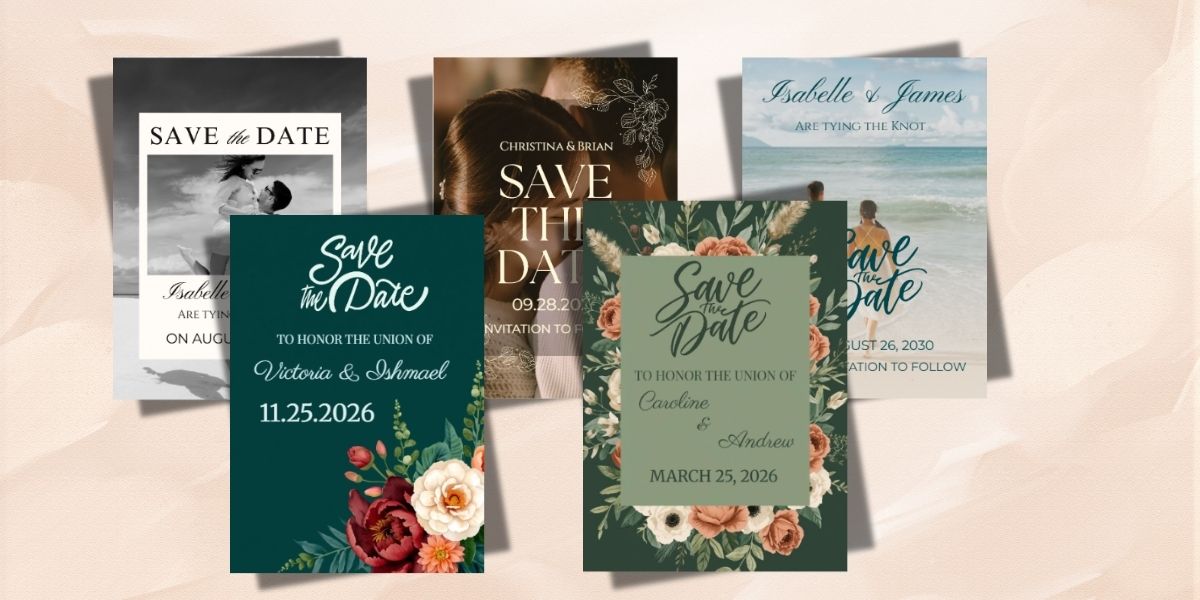
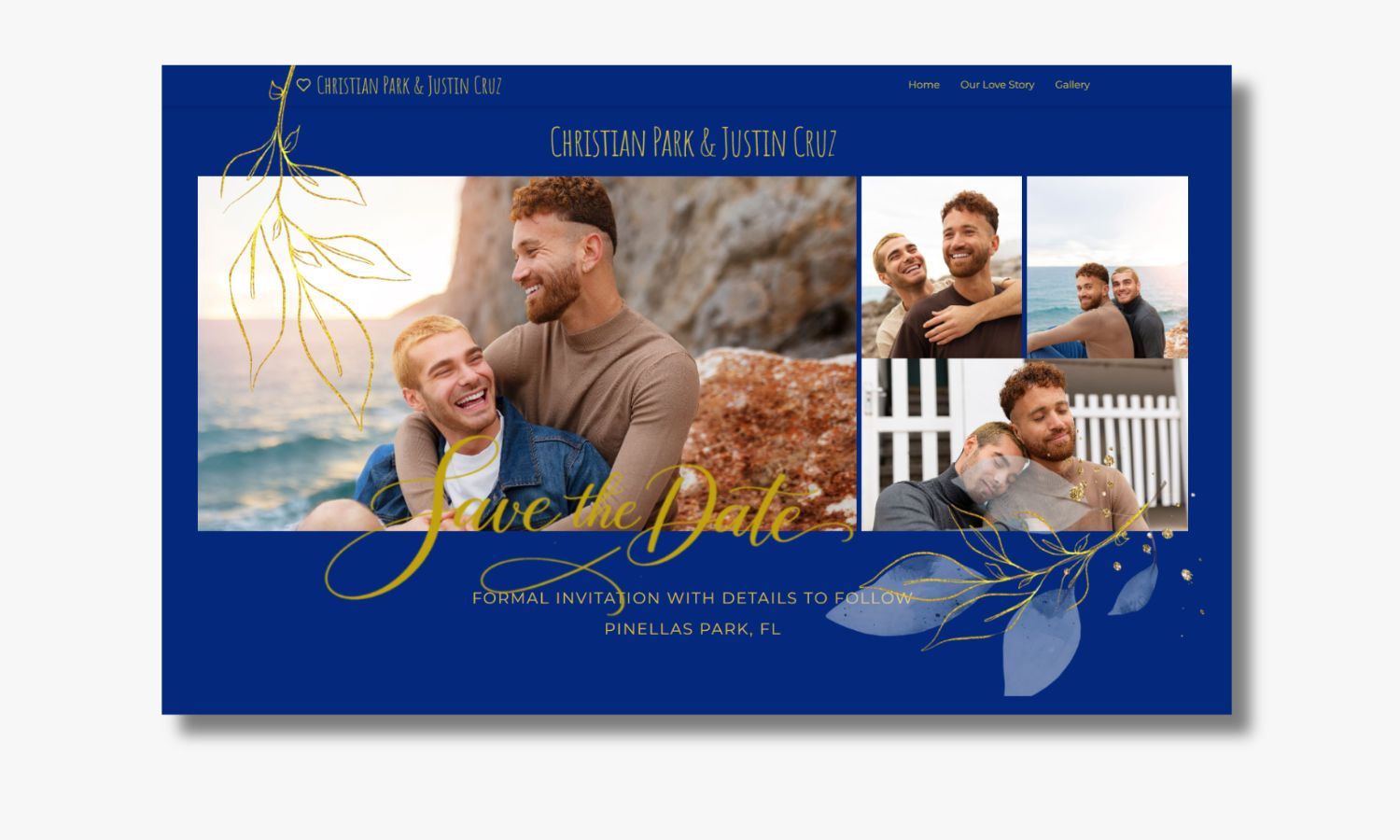
Save the dates are pre-invitations sent to wedding guests, typically 6 to 8 months before the wedding. These cards give guests an early notice of the wedding date and location, encouraging them to reserve that time on their calendars. Unlike formal wedding invitations, save the dates are informal and don’t require RSVP details.
The main benefits of sending save the dates include:
- Helping out-of-town guests plan travel and accommodation
- Reducing scheduling conflicts for guests
- Increasing overall attendance by giving early notice
- Starting the excitement and anticipation for the wedding day
Are Save the Dates Necessary for Every Wedding?
While save the dates are helpful for many weddings, they aren't a strict requirement. Whether you need to send save the dates depends on factors like the size of your wedding, guest location, and timing of your official invitations. Given the extra cost and effort involved, couples often look for occasions when they can skip them without causing confusion or downgrading their wedding experience.
5 Situations Where You Can Skip Sending Save the Dates
Here are five common wedding planning scenarios where you might decide to forego save the dates altogether.
1. Intimate Weddings with Only Local Guests
If you’re planning a small wedding with close family and friends who all live nearby, save the dates are often redundant. Guests can typically keep their schedules flexible, and you can informally manage your guest list without confusing or overwhelming your invitees.
In such cases, a well-timed formal invitation (sent about 8-12 weeks prior) is sufficient. This saves you time and money on printing and mailing save the dates.
2. Last-Minute Wedding Planning
Not all weddings have the luxury of long planning periods. If your wedding date is just a few months away—perhaps due to sudden venue availability or personal circumstances—you may not have time to send save the dates. Instead, focus on sending your invitations as early as possible and provide clear RSVP deadlines.
Additionally, digital invitations and reminders can compensate for the lack of a save the date when time is tight.
3. Destination Weddings with Limited Guest Lists
Destination weddings typically involve guests who are already accustomed to advanced planning. If your guest list is small and you have all the necessary contact information, you can opt to communicate details directly via email or wedding websites.
Because guests often book travel and hotels on their own, detailed formal invitations or personalized emails with all the logistical details often suffice.
4. When Hosting a Secondary Celebration or Reception
Some couples have a smaller, intimate legal ceremony followed by a larger reception later on. In these cases, save the dates for the reception may not be necessary if the guest list overlaps heavily with the ceremony attendees.
Instead, you could send a combined invitation closer to the event or simply rely on word-of-mouth and digital announcements.
5. Elopements and Micro Weddings
Elopements and micro weddings are highly personal and often involve only a few guests or just the couple. In such intimate settings, save the dates are typically unnecessary—guests invited will be directly informed well in advance through personal communication.
Because the events are small, the emphasis is on simplicity and minimizing formalities, allowing you to skip save the dates.
Factors to Consider When Deciding to Skip Save the Dates
Before deciding not to send save the dates, it's essential to consider a few key factors to avoid confusion or potential guest list issues.
- Guest Location: Are many of your guests traveling from out of town or abroad? If yes, save the dates can be very helpful.
- Wedding Date Availability: Does your wedding date fall on a holiday or during a busy time of year? If so, save the dates help your guests plan accordingly.
- Invitation Timeline: Do you have ample time to send invitations well in advance? If your invitations can go out early, save the dates may be less critical.
- Guest List Stability: Is your guest list finalized? Any last-minute changes can complicate save the date mailings.
Alternatives to Traditional Save the Dates
If you choose not to send physical save the dates, there are several alternative approaches to keep your guests informed:
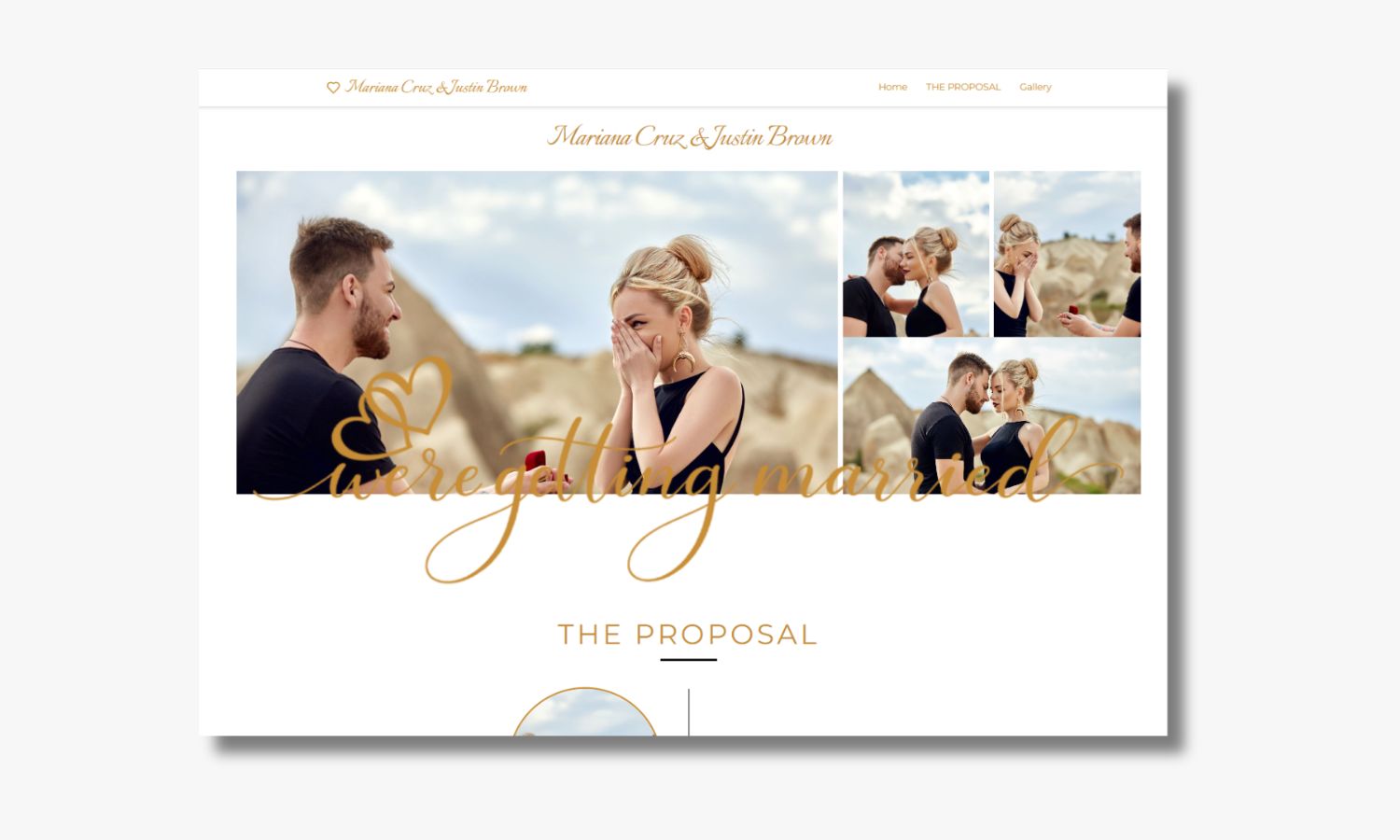
- Digital Save the Dates: E-cards or wedding websites allow you to send save the dates quickly and cost-effectively.
- Phone Calls or Personal Messages: For small weddings, communicating directly with each guest can be more personal.
- Social Media Announcements: Private wedding event pages on social media can keep guests updated on important dates and details.
Conclusion
Save the dates are a useful tool in wedding planning, providing guests with advance notice to ensure attendance. However, they are not mandatory for every wedding. Couples planning local, intimate weddings, last-minute events, or small destination celebrations may find that save the dates add unnecessary steps and costs.
Carefully evaluate your guest list, timeline, and wedding style to determine whether sending save the dates is the right choice. When in doubt, leveraging digital options or personal communication can serve as effective alternatives to traditional save the date cards.