Understanding the Tradition of a Quinceañera
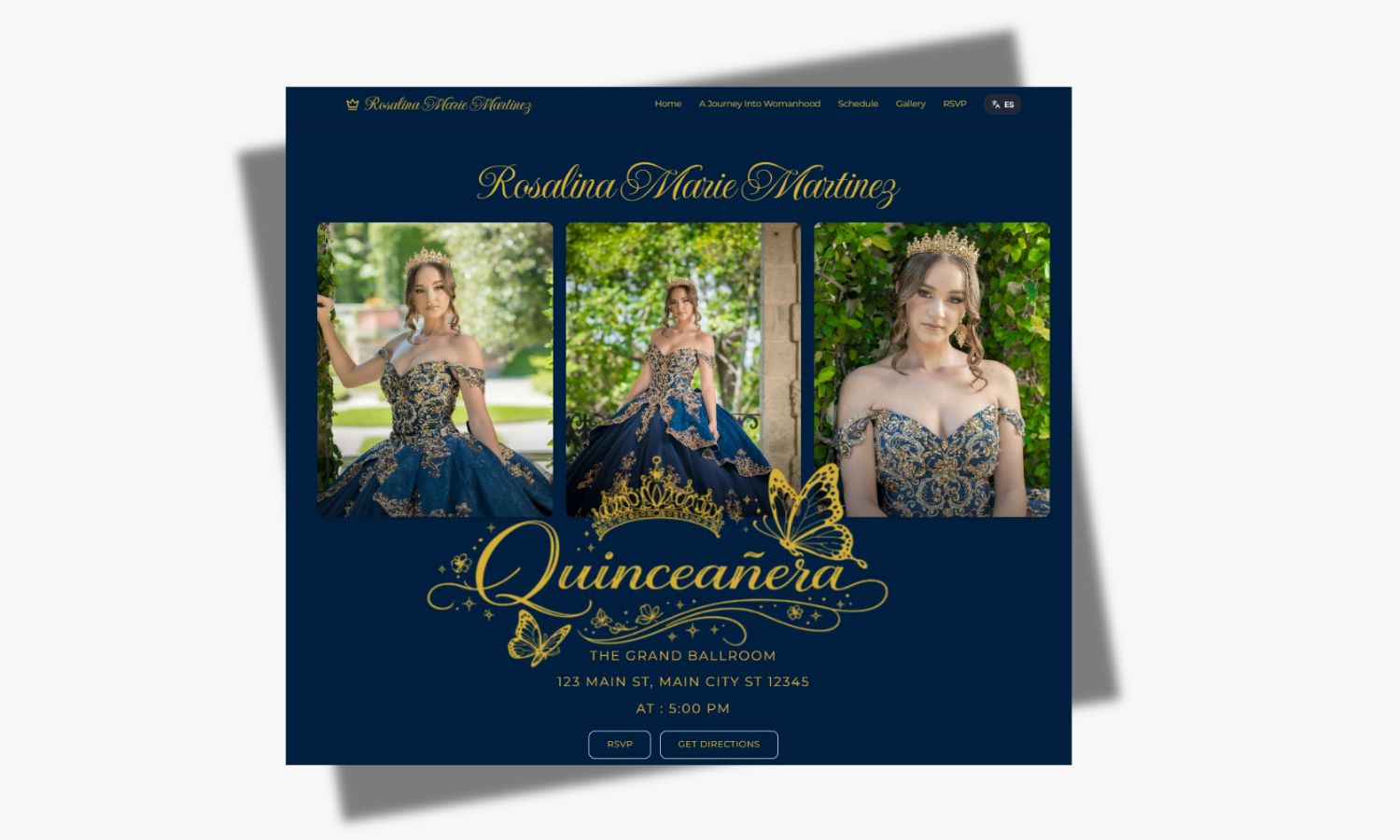
A Quinceañera is a deeply rooted cultural celebration marking a young Latina girl’s transition from childhood to womanhood. Traditionally celebrated on her 15th birthday, this event is often rich with symbolism, including a formal ceremony and a festive party. One of the most commonly discussed questions when planning a Quinceañera is whether a church ceremony is necessary for the celebration to be considered authentic or complete.
What is a Quinceañera?
The Quinceañera celebration is steeped in tradition, showcasing the importance of family, culture, and personal growth. While customs vary by region and family, the central elements of a Quinceañera often include:
- A religious or civil ceremony
- A formal presentation of the quinceañera
- A reception with food, music, and dancing
- Symbolic rituals such as the changing of shoes or the “last doll”
Given this structure, many families choose to incorporate a church ceremony as a pivotal part of the day.
Do You Need a Church Ceremony to Have a Quinceañera?
The short answer is no, you do not need a church ceremony to have a Quinceañera. Historically, the Quinceañera began as a religious rite of passage within the Catholic Church, symbolizing a girl’s readiness to take on adult responsibilities within the faith. However, times have changed, and so have the tastes and traditions surrounding the event.
Today, many families opt for either a civil ceremony, a secular celebration, or a combination of both. Whether or not to include a church ceremony largely depends on personal beliefs, family traditions, and logistical considerations.
Reasons Some Choose a Church Ceremony
- Religious significance: Many families value the spiritual aspect of the Quinceañera, which traditionally includes a Mass or blessing.
- Cultural tradition: For some, the church ceremony honors their heritage and preserves an important cultural ritual.
- Community involvement: Inviting family, friends, and church members to witness the ceremony adds a communal feeling to the occasion.
Reasons Some Opt Out of a Church Ceremony
- Non-religious families: Some families do not practice a particular religion and prefer a secular celebration.
- Preference for flexibility: A non-religious celebration allows for greater creativity with the venue, timing, and program.
- Logistical challenges: Booking a church, adhering to religious requirements, and scheduling can be complicated or restrictive.
How to Plan a Quinceañera Without a Church Ceremony
If you decide to have a Quinceañera without a church ceremony, there are plenty of meaningful ways to honor the spirit of the event while tailoring it to your preferences.
1. Choose a Meaningful Venue
Instead of a church, consider hosting the ceremony or reception in places such as:
- A banquet hall
- A park or garden
- A community center
- Your home or backyard
- A cultural venue that reflects heritage
Finding a venue that resonates with the quinceañera’s personality and values can make the celebration just as special.
2. Create Personalized Rituals
Many of the ceremonial elements of a Quinceañera can be adapted to a secular context. Examples include:
- Ceremonial toast: Family and friends can share wishes or blessings.
- Symbolic traditions: Presenting the last doll, changing shoes, or a father-daughter dance retains symbolic significance without a religious setting.
- Reflection moment: A time for the quinceañera to express her goals and values moving forward.
3. Include Cultural Elements
Many families want to maintain cultural ties while adapting the event to modern times. You can:
- Play traditional music and dances
- Include folkloric decorations or attire
- Incorporate heritage-inspired cuisine
The Role of Religious Symbolism in Non-Church Quinceañeras
It is possible to maintain religious symbolism without a formal church ceremony, depending on your family’s faith. Some ideas include:
- Including a blessing from a family member who is a religious leader
- Lighting candles or offering prayers in a private or family setting
- Using symbolic items such as a crucifix, rosary, or prayer book in the ceremony
This approach maintains the religious respect connected to the Quinceañera, even outside a church environment.
Legal and Cultural Considerations
Unlike weddings, Quinceañeras typically do not involve legal documentation or civil requirements. Therefore, the choice to include a religious ceremony or not does not impact the legal status of the celebration. However, it is important to:
- Discuss the plan with family members to ensure everyone’s expectations are aligned
- Understand any cultural norms or community expectations if you plan to omit the church ceremony
- Communicate clearly with guests about the structure of the event, especially if it deviates from tradition
Common Misconceptions About Quinceañeras and Church Ceremonies
Let's address some myths and misconceptions around the necessity of a church ceremony for a Quinceañera:
Myth 1: You Must Have a Church Ceremony to Have a “Real” Quinceañera
This is not true. While the church ceremony is a traditional part of many Quinceañeras, countless beautiful and meaningful celebrations occur without one. A Quinceañera is more about marking a milestone in a girl's life than adhering strictly to religious practices.
Myth 2: Non-Religious Quinceañeras Are Disrespectful to Culture
Adapting traditions to fit modern beliefs and family circumstances is a natural evolution of culture. Celebrating the transition to womanhood in a way that aligns with personal values honors both the individual and the spirit of the tradition.
Planning Tips for a Successful Quinceañera
Whether you include a church ceremony or not, careful planning ensures a memorable event. Consider these tips:
1. Set a Realistic Budget
Quinceañeras can become costly. Defining your budget early will help you prioritize what aspects of the event are most important.
2. Make a Guest List
Understand how many people you want to invite to find an appropriate venue. This list also influences your catering, decorations, and invitations.
3. Choose a Theme and Colors
Many quinceañeras choose a color scheme or theme that reflects the quinceañera’s personality, which helps guide decoration and attire choices.
4. Hire Experienced Vendors
From caterers and DJs to photographers and event coordinators, selecting professionals familiar with Quinceañeras can ease the planning process.
5. Plan the Program
Outline the sequence of events—whether it’s a religious ceremony, symbolic rituals, dinner, dances, or speeches—so everyone knows what to expect.
SEO Keywords and Phrases to Include Naturally
- Quinceañera planning guide
- Do you need a church ceremony for a Quinceañera
- Quinceañera without church ceremony
- How to plan a Quinceañera
- Quinceañera traditions and rituals
- Secular Quinceañera ideas
- Quinceañera ceremony options
- Modern Quinceañera celebration
- Quinceañera venue ideas
- Cultural Quinceañera customs
Conclusion
In summary, while a church ceremony is a cherished part of many traditional Quinceañeras, it is not a requirement for hosting a memorable and meaningful celebration. Families today tailor the event to reflect their beliefs, values, and preferences. Whether you choose a church ceremony, a civil ceremony, or a secular party, the heart of the Quinceañera remains the celebration of a young woman’s passage into adulthood, surrounded by love, family, and culture.