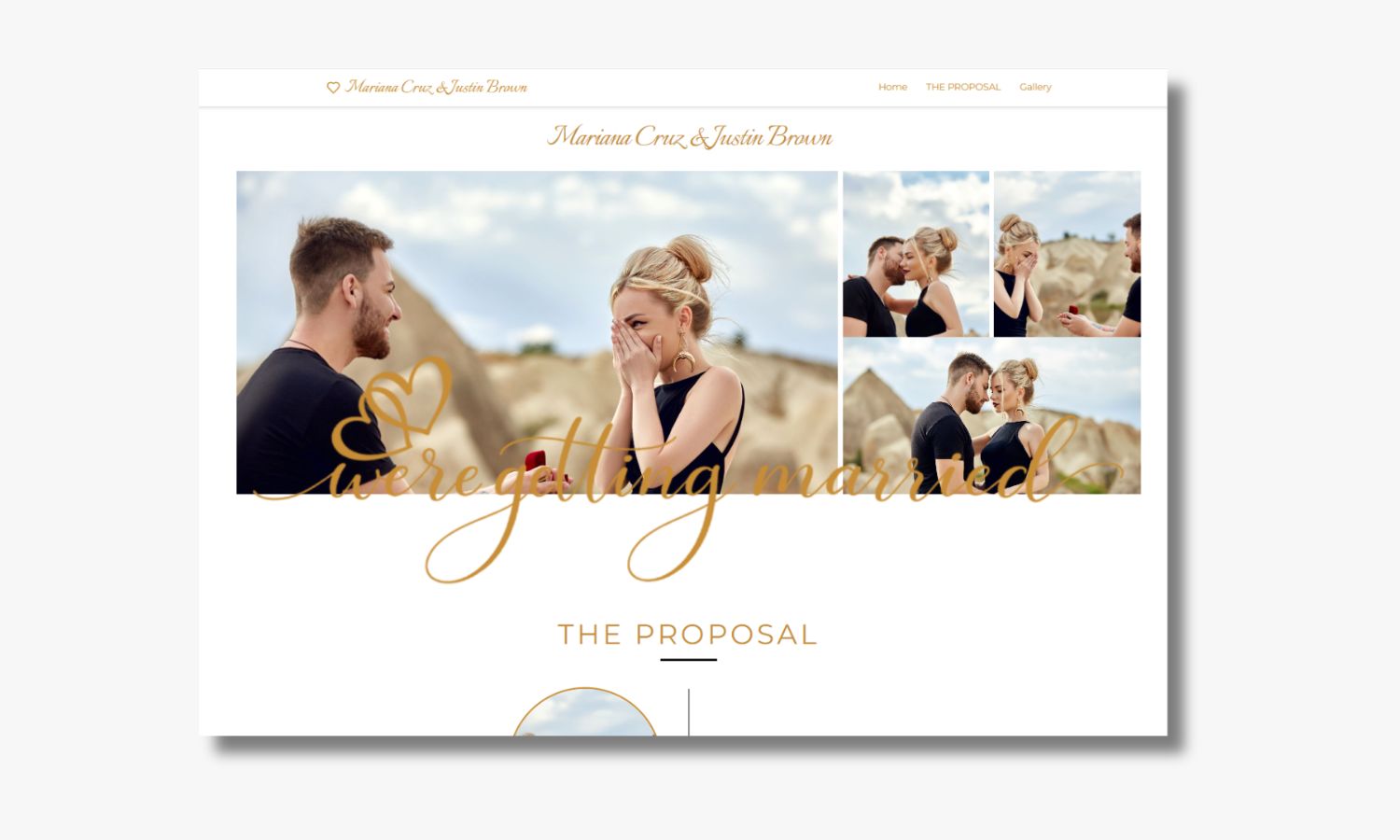
Do You Need a Wedding Website in 2026? (And What to Include)
Planning a wedding in 2026 means embracing new trends and technologies to make your special day seamless and memorable. One trend that has firmly established itself in modern wedding planning is the **wedding website**. But do you really need a wedding website in 2026? This comprehensive guide will explore the reasons why a wedding website remains a must-have for couples, explain the key benefits, and outline what essential elements to include to ensure it serves your guests and planning process effectively.
Why Consider a Wedding Website in 2026?
As wedding planning continues to evolve with digital innovation, wedding websites have become more than just an optional extra—they are now essential tools for communication, organization, and personalization. Here are some of the top reasons why having a wedding website in 2026 offers significant advantages:
1. Centralized Information Hub
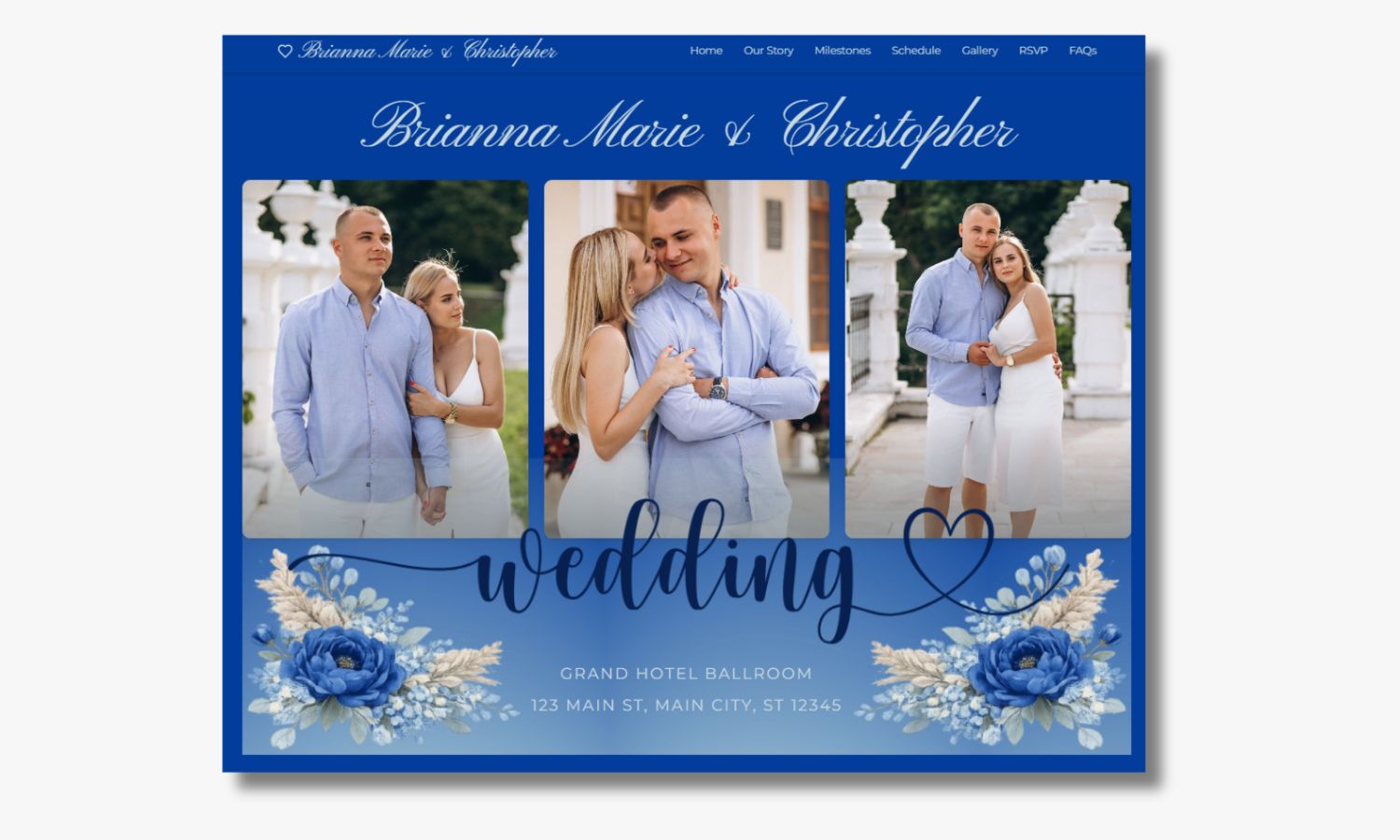
A wedding website acts as a centralized hub where all relevant information is collected and easily accessible to your guests. Instead of answering the same questions repeatedly via phone or text, you can direct everyone to one source. This includes details on the venue, schedule, dress code, accommodation options, and travel tips.
2. Simplifies RSVP Management
One of the most useful features of a wedding website is built-in RSVP functionality. Digital RSVPs save you time, minimize errors, and allow you to effortlessly track the guest list in real time. In 2026, guests expect easy and intuitive online RSVP options that can synchronize with your wedding planning tools.
3. Enhances Guest Experience
Wedding websites offer interactive features such as personalized messages, gift registries, and even virtual guestbooks. This digital engagement makes guests feel included and connected to the joyous occasion. For destination weddings or hybrid events, it is an effective way to keep all attendees informed and involved.
4. Eco-Friendly and Cost-Effective
Many couples are prioritizing sustainability in 2026. A wedding website reduces the need for printed invitations, save-the-dates, and program booklets, which cuts paper waste. Additionally, maintaining an online presence is often more budget-friendly compared to traditional stationery costs.
5. Keeps Your Wedding Details Updated Instantly
Plans can change. Having a wedding website means you can update critical information promptly without worrying about reprinting or redistributing details. Last-minute changes due to weather, timing, or COVID-related policies can be communicated instantly and clearly.
Key Elements to Include on Your 2026 Wedding Website
Creating an effective wedding website requires thoughtful planning. Here’s a detailed breakdown of the essential components to include, ensuring you cover all bases and provide maximum convenience for your guests.
1. Welcome Message and Story
Start your website with a warm welcome message that sets the tone for your wedding. Many couples also choose to share their love story or how they met. This personal touch creates excitement and emotional connection with your guests.
2. Event Date, Time, and Location
Clear details about the date, start time, and venue(s) should be prominently displayed. Include complete addresses, Google Maps links, and parking instructions if needed. This is crucial to avoid confusion on the big day.
3. Schedule and Itinerary
Outline the day’s planned activities such as ceremony time, cocktail hour, dinner, and reception party. If you have multi-day events like rehearsal dinners or brunches, provide those times too. Guests appreciate knowing how the day will unfold.
4. Dress Code Guidelines
Specify the dress code to ensure guests know what to wear—whether it’s black tie, cocktail attire, beach casual, or themed. Including photos or examples can help guests feel confident in their outfit choices.
5. RSVP Functionality
Integrate a user-friendly RSVP feature where guests can confirm their attendance online. You can also allow meal preference selections, plus-one information, or song requests. Automated RSVP tracking simplifies your guest management immensely.
6. Accommodation and Transportation Info
If many guests are traveling, provide curated hotel options with group rates, booking deadlines, and shuttle service details. Consider including airport information and tips for local transportation like taxis, rideshares, and public transit.
7. Gift Registry Links
Make it easy for guests to find and purchase wedding gifts by linking to your preferred registries. Offering diverse options—from traditional stores to honeymoon funds or charitable donations—adds flexibility for guests.
8. FAQs Section
Address common questions upfront on topics like children attendance, COVID-19 safety protocols, dietary restrictions, or photography rules. An FAQ section minimizes repetitive inquiries and helps guests prepare accordingly.
9. Contact Information
Provide a dedicated contact method, such as a wedding email address or planner contact, so guests can reach out if they have any additional questions. Keeping communication professional and streamlined reduces stress for both parties.
10. Social Media Integration
Encourage guests to share photos and memories by linking your wedding hashtag or social media accounts. Some wedding websites even feature live feeds of images posted during the event, adding an interactive element.
Additional Features to Consider for a Modern Wedding Website
To make your wedding website stand out and function as smoothly as possible, you may want to include some of these advanced features popular in 2026 wedding planning:
- Virtual Attendance Options: Embed live streaming links for guests who cannot attend in person.
- Countdown Timers: Add a countdown clock to build excitement as the wedding day approaches.
- Interactive Maps: Use maps with venue layouts, indicating ceremony, reception, restrooms, and parking.
- Personalized Itineraries: Allow guests to customize their event schedule.
- Mobile Optimization: Ensure the website is fully responsive and easy to navigate on smartphones and tablets.
SEO Best Practices for Your Wedding Website
Creating a wedding website in 2026 not only helps your guests but also offers an opportunity to optimize for search engines, especially if your wedding has unique features or you want to share your planning journey publicly. Follow these SEO best practices to boost your site’s visibility:
- Keyword Integration: Incorporate relevant keywords naturally such as “wedding website 2026,” “wedding planning guide,” “wedding RSVP online,” and “best wedding website features.” Avoid keyword stuffing.
- Meta Descriptions: Write concise meta descriptions especially if your site has a public blog section or planning updates.
- Fast Loading Speed: Choose a reliable hosting platform and minimize large multimedia files to ensure quick load times on all devices.
- Mobile-Friendly Design: Optimize navigation menus, buttons, and forms for mobile users, who often access wedding sites on the go.
- Clear URL Structure: Use simple, descriptive URLs for each page or section (e.g., yourwedding.com/rsvp, yourwedding.com/accommodations).
- Internal Linking: Link related sections within your site to help guests move easily from details to RSVPs or registries.
Conclusion
In 2026, a wedding website is far from a luxury—it's an essential part of a well-organized, enjoyable wedding experience. By creating a comprehensive, user-friendly online portal, you can streamline communication, enhance guest engagement, and reduce planning stress. Including all the key elements like schedules, RSVP tools, travel information, and gift registries ensures everyone feels informed and excited. Whether your wedding is intimate, grand, local, or destination, a wedding website is the digital cornerstone that brings your celebration together.