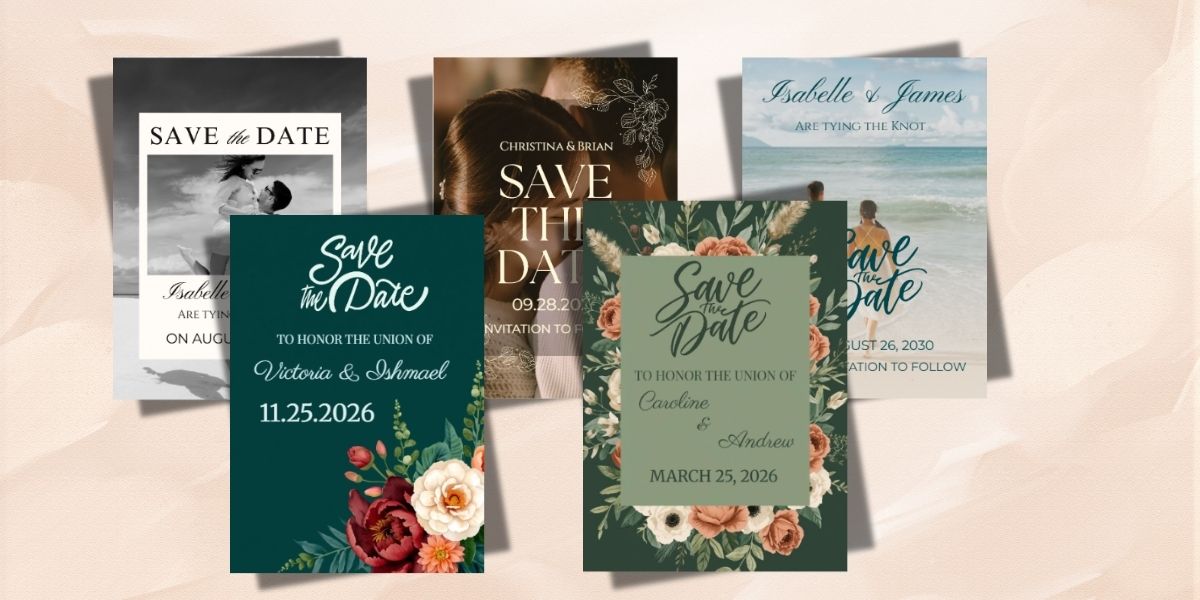
Understanding the Importance of "Save the Dates" in Wedding Planning
When planning a wedding, one of the earliest steps couples take is sending out save the date cards to inform guests about the upcoming celebration. These announcements help ensure that friends and family mark their calendars well in advance, especially when the wedding involves travel or occurs during peak seasons. However, a common challenge arises when the wedding venue has not yet been finalized, making it difficult to include complete details on the save the date.
Handling "save the dates" without a secured venue requires thoughtful planning and strategic communication. Staying organized and transparent will keep your guests informed while maintaining excitement for your big day. This guide explores practical tips and best practices for managing this stage of wedding planning effectively.
Why Sending Save the Dates Early Matters
Save the dates play a crucial role in the wedding planning timeline. Here are key reasons why they are beneficial:
- Advance Notice: They provide early notification, allowing guests to arrange travel, accommodations, and time off work.
- Guest Commitment: Save the dates encourage guests to reserve the date before scheduling conflicting events.
- Build Anticipation: They help set the tone and create excitement for the upcoming wedding.
- Better Attendance: Particularly important for destination weddings or long-distance travel, save the dates improve the likelihood of a full guest list.
Challenges of Sending Save the Dates Before Finalizing a Venue
While sending save the dates early is advantageous, it presents certain obstacles if the venue isn't confirmed:
- Missing Location Details: Guests may be uncertain about where to plan their travel and lodging arrangements.
- Changing Venue Risk: A last-minute venue change could require sending new information, causing confusion and potential frustration.
- Lost Confidence: Ambiguous details might lead guests to doubt the stability of the wedding plans.
Tips for Handling Save the Dates Without a Confirmed Venue
Fortunately, you can manage save the dates tactfully—even without a fixed location. Consider implementing the following strategies:
1. Use an Approximate Location or Region
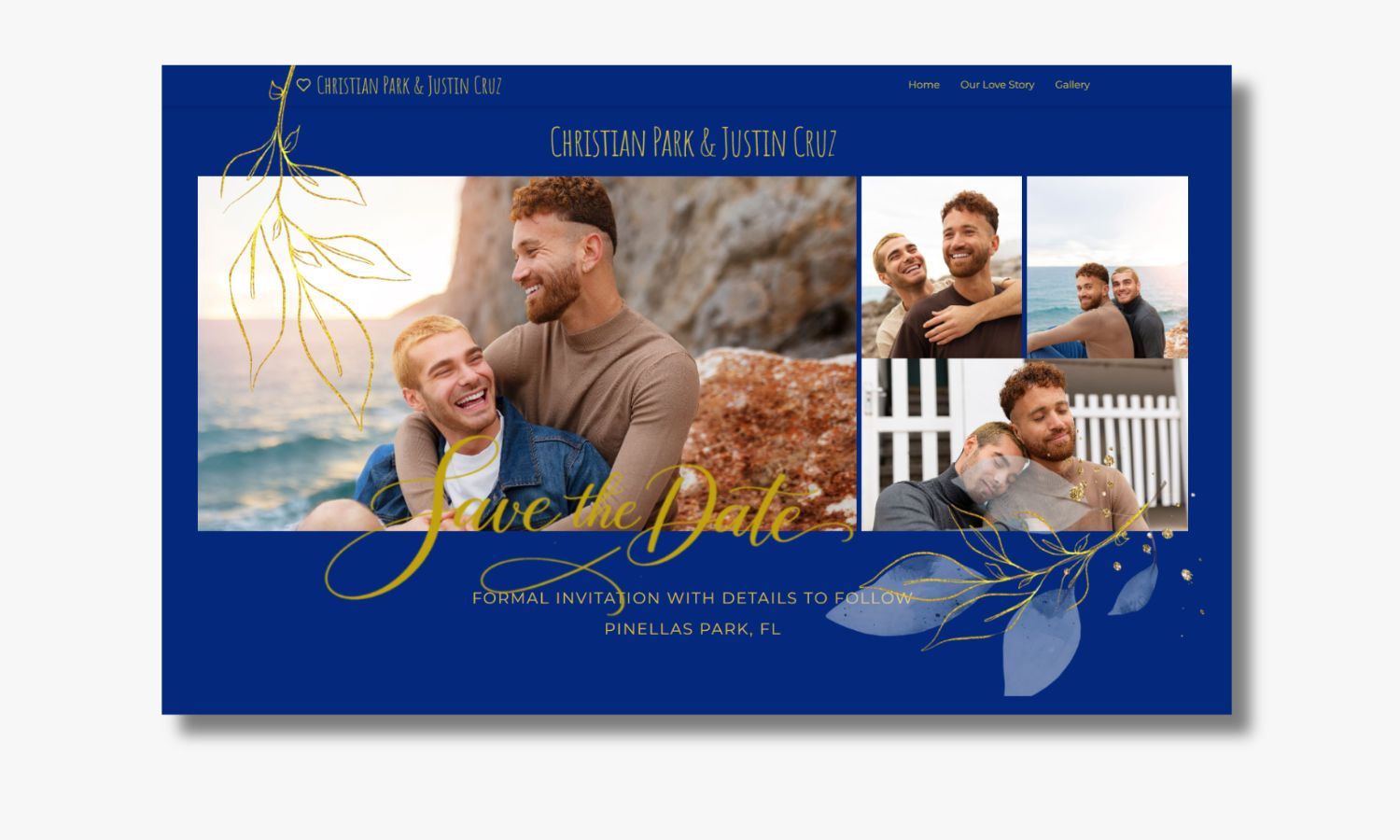
If you have a general idea of where the wedding will take place (e.g., city or state) but haven't locked the exact venue, include that approximate location on the save the date. For example, "Save the Date – Summer 2025, Napa Valley, California."
This approach gives guests enough information to start planning without causing confusion from missing specifics.
2. Focus on the Date and Key Details
Highlight the date prominently to ensure guests prioritize it in their schedules. Other critical details to include are:
- The couple's names
- The wedding date
- A note directing guests to a wedding website for updates
By directing guests to a website, you can provide real-time venue updates as plans progress.
3. Create a Dedicated Wedding Website
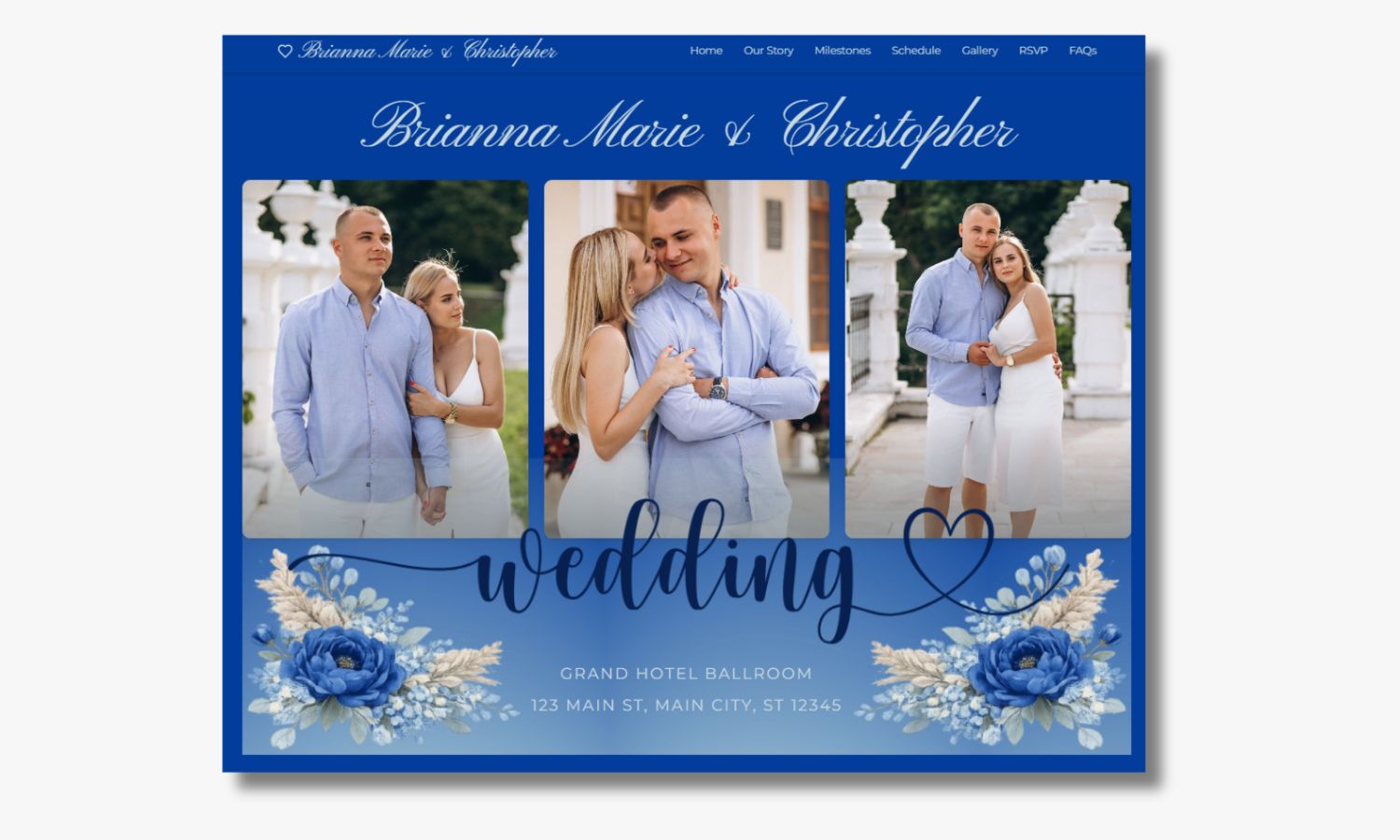
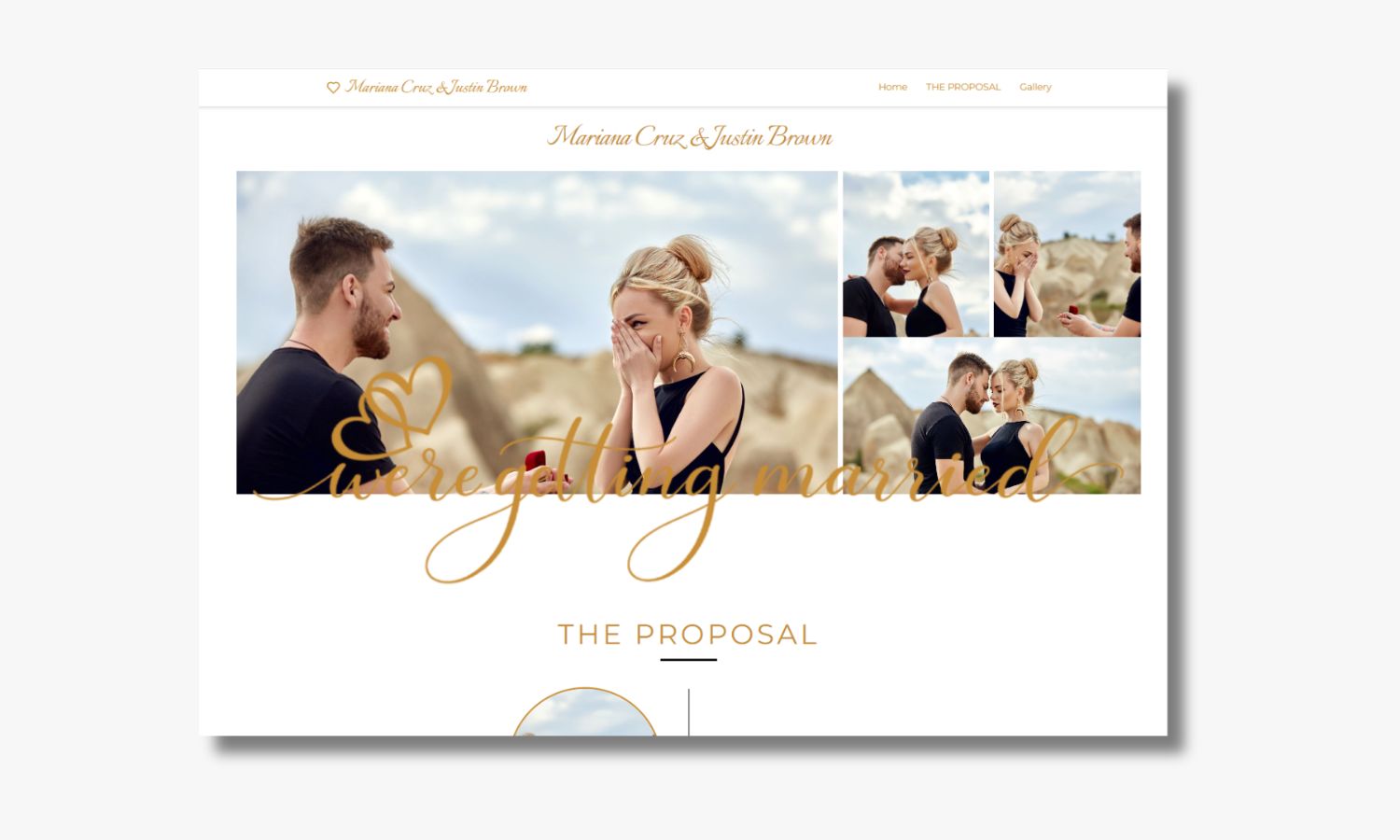
A personalized wedding website serves as a one-stop hub for all wedding information—venue confirmation, accommodation recommendations, registries, and the latest news.
Include the website URL on your save the date cards and encourage guests to check back frequently. This helps manage expectations and reduces the need to send multiple physical updates.
4. Opt for Digital Save the Dates Initially
If you anticipate significant venue changes or delays in finalizing details, consider sending digital save the dates first. Digital cards are cost-effective, easy to update, and eco-friendly.
You can then follow up with printed invitations once the venue is confirmed and all details are solidified. Digital save the dates also enable interactive features like RSVP integration and direct links to your wedding website.
5. Keep the Messaging Clear and Positive
Use friendly, reassuring language that emphasizes your excitement and encourages patience. An example message might be:
“We can’t wait to celebrate with you on June 12, 2025! Details about our venue are coming soon. Please save the date and visit our website for updates.”
Clear communication reduces uncertainty and helps guests feel involved in the process.
6. Coordinate With Your Wedding Planner or Venue Finder
If you are working with a wedding planner or a venue consultant, keep them in the loop about your save the date timeline. They might offer valuable advice on timing and messaging that minimizes confusion.
Professionals may also expedite the venue search based on your preferred send date to guests.
When to Send Save the Dates Without a Venue Confirmed
Timing is crucial for effective save the date distribution. Experts generally recommend sending save the dates six to eight months before the wedding, but:
- If you don’t have a venue secured yet, wait until you have at least a region or city settled.
- For destination or winter weddings, consider sending save the dates 9-12 months prior.
- If the venue is still uncertain as your ideal send window approaches, opt for a digital save the date with flexible messaging.
Handling Venue Changes After Save the Dates Are Sent
Despite careful planning, last-minute venue changes can occur. Here’s how to handle them smoothly:
1. Inform Guests Promptly
As soon as your venue is finalized or changed, send out an update through your wedding website, email, or postal cards. Timely communication demonstrates respect for your guests’ schedules.
2. Use Clear, Concise Communication
Make sure your message includes:
- The new venue name and address
- Any changes to the ceremony or reception timing
- Links to maps or directions
3. Update Your Wedding Website Immediately
Your wedding website should reflect the new information immediately to serve as the official source of truth.
4. Offer Assistance to Guests
Some guests may require additional help adjusting their plans. Provide contact information or FAQs to support them during the transition.
Additional Tips to Consider When Planning "Save the Dates"
- Collect Guest Addresses Early: Having your guest list ready is essential before sending save the dates.
- Consider Guest Experience: Think about how the save the date will influence travel logistics and accommodations.
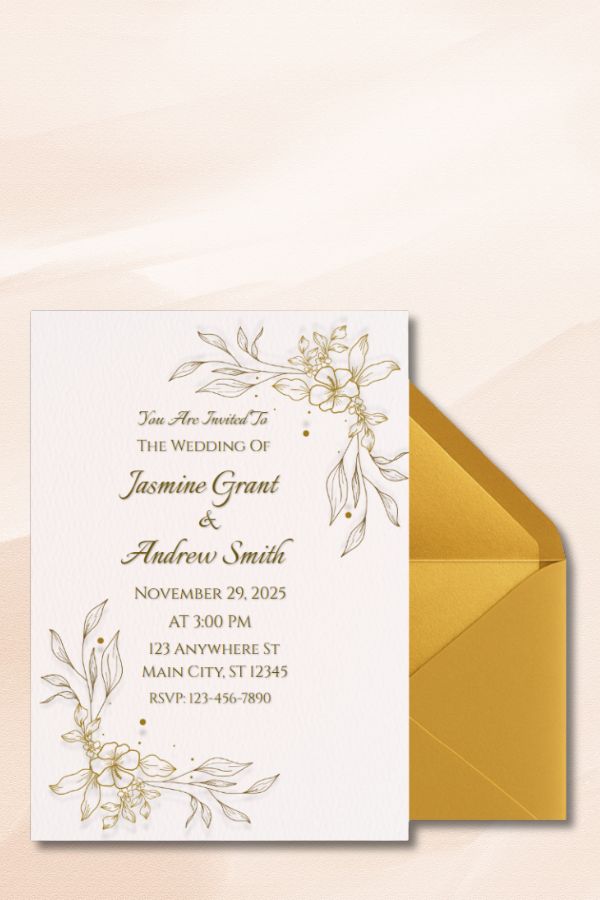
- Match Save the Dates with Wedding Theme: Design your save the dates to reflect your wedding style, even if details like venue aren’t finalized yet.
- Track RSVPs Carefully: Especially with ambiguous details, tracking guest responses will help refine your planning.
- Prepare a Contingency Plan: Have backup venues or dates in mind, and communicate them only if absolutely necessary.
Conclusion
Sending save the dates before finalizing your wedding venue is entirely feasible with the right planning, clear communication, and use of digital tools. By focusing on key information, leveraging online platforms, and maintaining transparency, you can keep your guests informed and excited without risking confusion.
Remember, your save the dates are the first glimpse your guests get of your wedding, so making them thoughtful and flexible will set the foundation for a smooth and enjoyable wedding planning journey.