Understanding the Shift: From Micro-Ceremony to Grand Reception in 2026
As wedding trends continue to evolve, many couples are choosing to start their special day with intimate micro-ceremonies followed by larger, more celebratory grand receptions. This trend is gaining significant traction in 2026, blending the charm of a small, personal ceremony with the excitement and joy of a large-scale party. If you're planning to transition from a micro-ceremony to a grand reception for your wedding, this guide will walk you through everything you need to consider to make both events seamless and unforgettable.
The Appeal of a Micro-Ceremony and Grand Reception
Micro-ceremonies typically involve a limited guest list, often under 50 people, allowing couples to create an intimate experience with close family and friends. This format emphasizes meaningful moments without the stress of a large event. However, couples also want to share their joy with a wider circle through a grand reception, which provides a festive atmosphere with more guests, entertainment, and elaborate décor.
This two-part wedding approach offers flexibility and maximizes the celebration by focusing on intimacy and grandeur, satisfying different needs and expectations on the wedding day.
Key Planning Considerations for Transitioning Between the Two
1. Timing and Scheduling
One of the most crucial elements is managing the timing between the micro-ceremony and the grand reception. While some couples opt for a same-day transition to keep the momentum going, others prefer a gap of several hours or even days.
- Same-Day Transition: This requires a well-organized schedule to allow guests to move smoothly from the ceremony venue to the reception site. Consider transportation logistics and potential downtime.
- Separate Days: Hosting the reception on a different day offers the couple and guests flexibility, reduces stress, and allows for more elaborate event planning. It can also be ideal for hosting out-of-town guests who may not attend the micro-ceremony.
2. Guest List Management
One challenge when transitioning from a micro-ceremony to a grand reception is managing guest lists efficiently:
- Micro-Ceremony Guest List: Generally limited to closest family and friends.
- Grand Reception Guest List: Includes the broader circle of acquaintances, colleagues, and extended family.
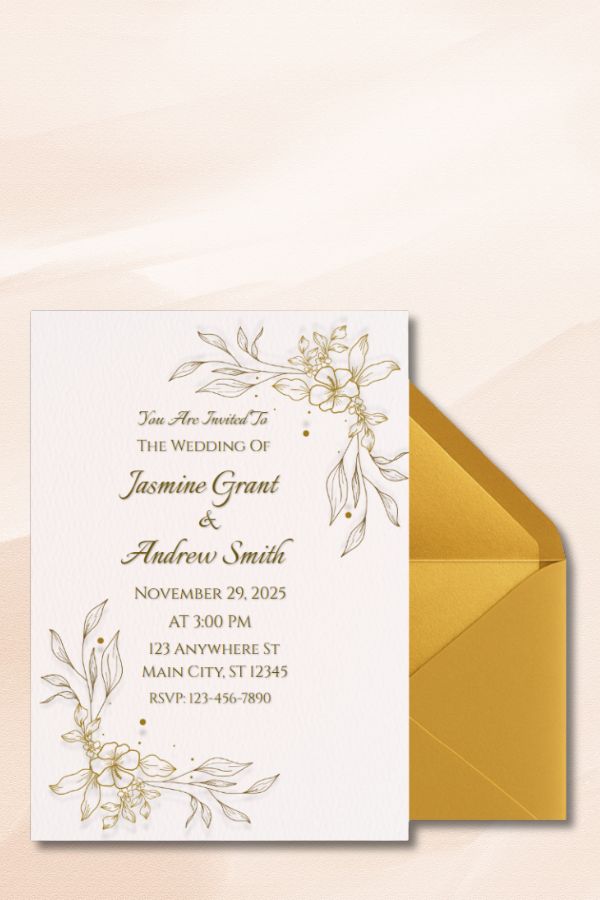
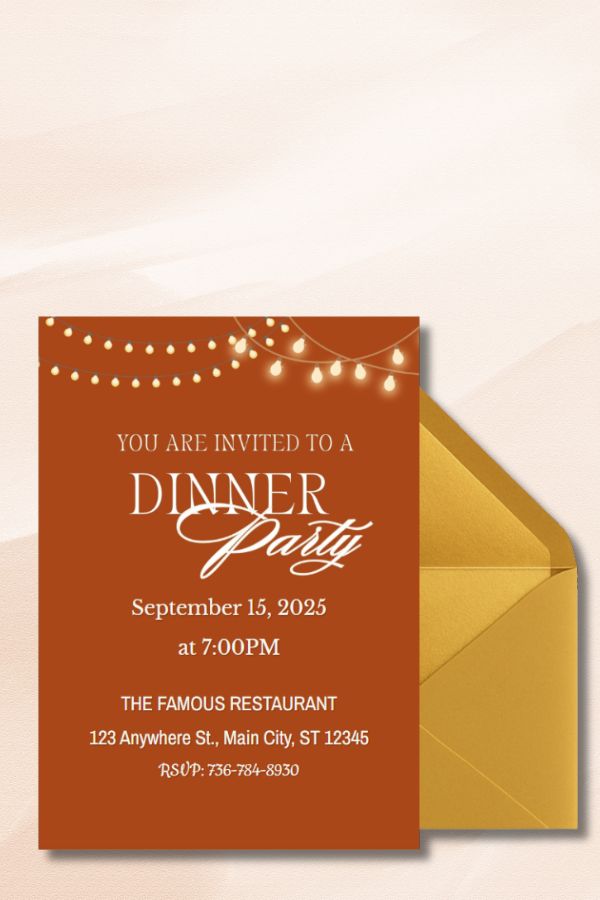
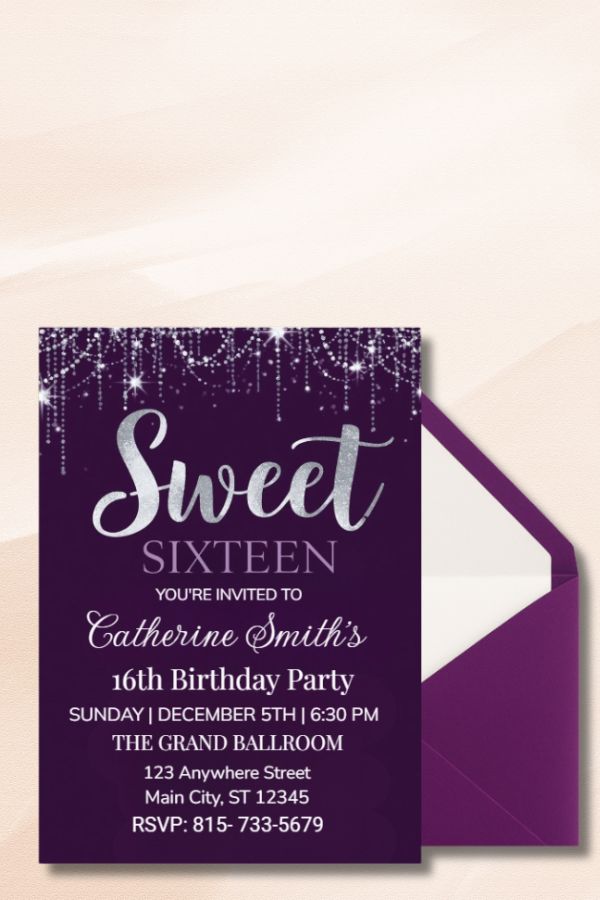
Clear communication about who is invited to which part of the celebration is critical to avoid confusion. Digital invitations and event management platforms are invaluable tools for handling RSVPs and updates.
3. Venue Selection and Preparation
Choosing the right venues for both events will ensure a smooth transition:
- Micro-Ceremony Venue: Small, intimate spaces such as boutique chapels, private gardens, or unique urban venues work best.
- Grand Reception Venue: Larger venues like ballrooms, banquet halls, or outdoor event spaces capable of accommodating a bigger guest list and entertainment options.
Consider proximity between venues to minimize guest travel time, especially if events are on the same day.
4. Catering and Menu Planning
Catering for a micro-ceremony and grand reception will usually differ:
- Intimate Menu: Small plated meals or upscale finger foods enhance the intimate feel of the ceremony.
- Expansive Reception Menu: Multiple courses, buffet-style options, or food stations cater to a larger group and diverse tastes.
Coordinate with caterers to ensure dietary requirements for guests at both events are met.
5. Entertainment and Atmosphere
The tone of the micro-ceremony typically remains solemn and reflective, whereas the grand reception encourages celebration and fun:
- Micro-Ceremony: Acoustic musicians, string quartets, or soft background music set a peaceful ambiance.
- Grand Reception: DJ performances, live bands, dance floors, and interactive entertainment to engage a larger crowd.
Step-by-Step Guide to Planning Your Transition
Step 1: Define Your Wedding Vision
Begin by outlining your ideal wedding experience. Use this vision to shape your micro-ceremony and grand reception:
- Determine the emotional tone you want for each event.
- Decide on themes, color palettes, and style continuity.
- List must-have elements vs. nice-to-haves.
Step 2: Set a Realistic Budget
Budgeting for two separate events requires thoughtful allocation:
- Estimate costs for both the micro-ceremony and the grand reception independently.
- Include venue rentals, catering, décor, entertainment, attire, and transportation.
- Plan for contingencies and unexpected expenses.
Step 3: Choose the Right Venues
Research and book venues that align with your vision and can accommodate your logistics:
- Visit venues in person to evaluate ambiance and logistics.
- Discuss scheduling flexibility and coordination with venue managers.
Step 4: Create the Guest Lists and Invitations
Develop clear and separate guest lists for each event:
- Send invitations tailored to each occasion.
- Clearly specify which event each guest is invited to.
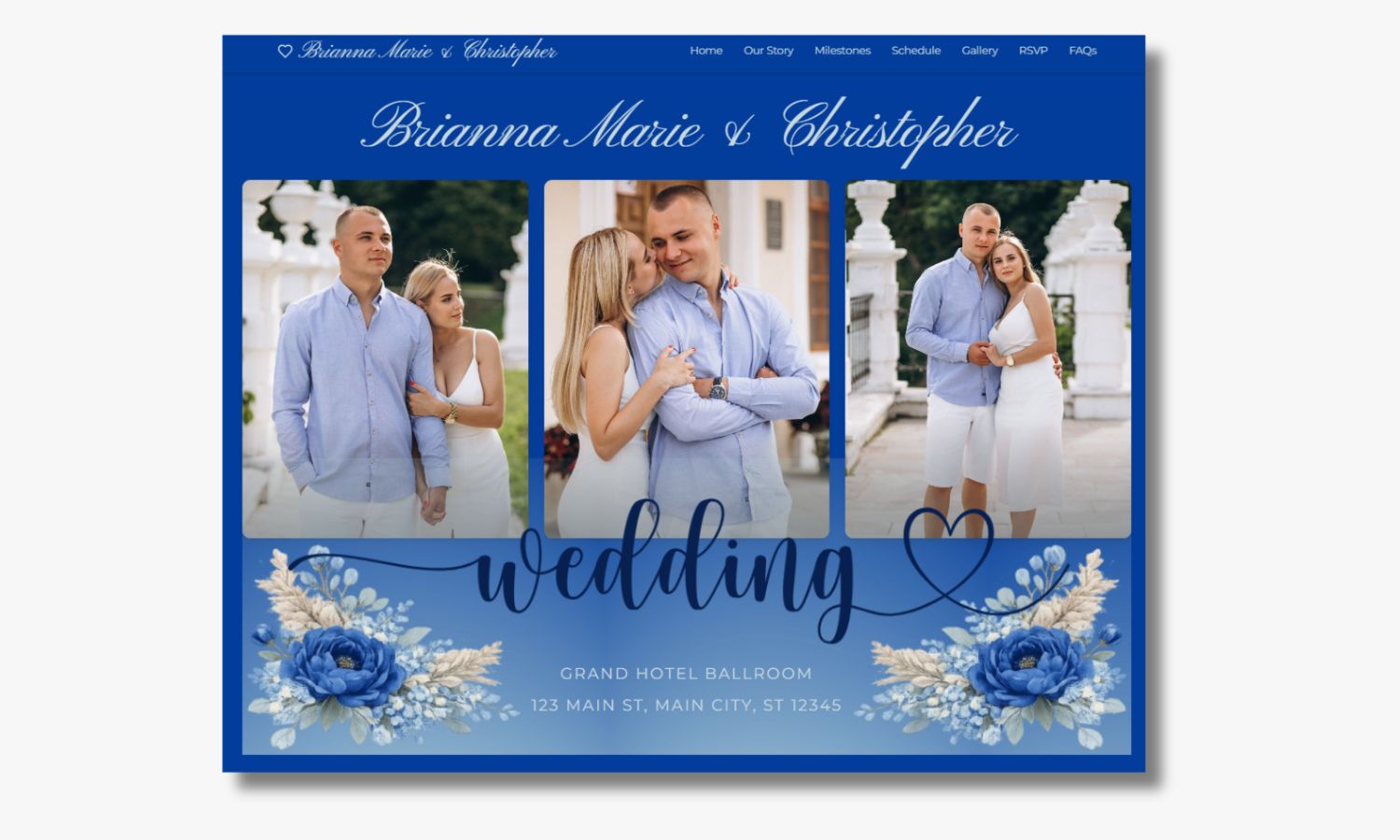
- Use digital platforms for efficient communication and RSVP tracking.
Step 5: Coordinate Vendors and Timelines
Work closely with your wedding planner or directly with vendors to coordinate event flow:
- Schedule deliveries, setup times, and vendor arrivals for both events.
- Plan any necessary rehearsals or run-throughs.
- Ensure staff know the details for both the ceremony and reception.
Step 6: Plan Transportation and Accommodation
Transportation between venues is vital, especially if events occur the same day:
- Provide shuttles, car services, or other options for your guests.
- Assist out-of-town guests with accommodation recommendations.
Step 7: Design Cohesive Décor and Branding
Maintaining visual continuity between your micro-ceremony and reception will enhance the overall guest experience:
- Coordinate color schemes and themes.
- Use signature elements like monograms or floral styles in both settings.
SEO Best Practices: Keywords to Incorporate Naturally
To ensure your blog post is SEO optimized for the topic, integrate relevant keywords thoughtfully throughout the content. Ideal keywords include:
- wedding micro-ceremony
- grand wedding reception
- transition from micro-ceremony to grand reception
- wedding planning 2026
- intimate wedding ceremony
- large wedding reception ideas
- wedding guest list management
- wedding venue selection
- 2026 wedding trends
- two-part wedding events
Be sure that these keywords appear in headings, body paragraphs, and naturally within lists without disrupting the readability of the post.
Addressing Common Challenges in the Transition
Communicating Invitations Clearly
Miscommunication about which event guests are invited to can create awkward situations. Avoid this by specifying event details in invitations, sending reminders, and offering a FAQ on your wedding website.
Managing Budget Constraints
A double event might stretch your budget. Prioritize your spending based on what matters most to you—perhaps investing more in ambiance or entertainment at the grand reception while keeping the micro-ceremony elegantly simple.
Ensuring Guest Comfort and Experience
Guests attending only one part of the wedding should feel fully included and appreciated. Provide clear directions, comfortable waiting areas if needed, and exceptional service at both events.
Handling Vendor Coordination
Coordinating multiple vendors across two events requires detailed timelines and communication to avoid overlap or delays. Assign a point person or wedding planner to oversee vendor management.
Top Wedding Trends for 2026: Combining Micro-Ceremonies with Grand Receptions
In 2026, wedding trends emphasize personalization and experience-driven events, making the dual micro-ceremony and grand reception model ideal. Trends to consider include:
- Eco-Friendly Celebrations: Sustainable décor, zero-waste catering, and digital invitations align well with smaller ceremonies but can also be scaled to grand receptions.
- Technology Integration: Live streaming the micro-ceremony for distant guests and interactive reception apps to enhance guest engagement.
- Hybrid Entertainment: Combining live music with DJ sets and interactive photo booths to balance the intimate versus grand setting vibes.
- Flexible Dress Codes: Couples are mixing formal attire for the reception with more casual or personalized looks for the micro-ceremony.
Conclusion
Transitioning from a micro-ceremony to a grand reception in 2026 offers a wonderful way to blend intimacy and celebration, creating a wedding day that reflects the couple’s unique love story and social circle. By focusing on well-planned logistics, clear communication, and thoughtful design, couples can effectively manage this two-part wedding approach. Careful attention to guest experience, vendor coordination, and current wedding trends will ensure that both events run smoothly, leaving lasting memories for everyone involved.