Understanding the Importance of Wedding Invitation Wording
Wedding invitations are more than just cards; they set the tone and style for your upcoming celebration. The way you word your wedding invitations communicates essential details and reflects the formality and theme of your event. Crafting the perfect wedding invitation wording requires a balance of clarity, etiquette, and personal touch to ensure your guests feel welcomed and informed.
With so many wording styles available—from traditional and formal to casual and modern—it can be overwhelming to decide how to phrase your invitations. This step-by-step guide will help you master the art of how to word your wedding invitations for a flawless and inviting message.
Step 1: Determine the Style of Your Wedding Invitation
Before writing your wedding invitation wording, consider the overall style and tone of your wedding. The invitation should reflect the atmosphere you want to create. Here are common styles to decide from:
- Formal: Traditional wording with full names and formal titles.
- Semi-formal: Polished yet relaxed wording, often with first names included.
- Informal or Casual: Friendly, simple wording with a conversational tone.
- Themed or Destination: Tailored wording to match unique themes or location details.
Choosing your style early on will guide the phrasing, font, and design of your invitations.
Step 2: Gather Essential Information for Your Wedding Invitations
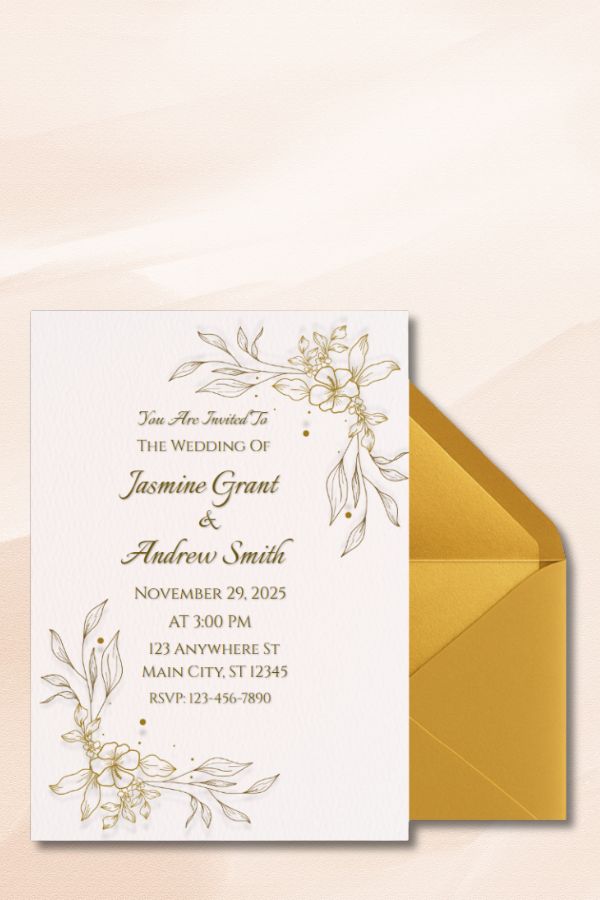
To ensure your guests have all necessary information, include these key details in your wording:
- Names of the couple: Traditionally, the bride’s name is listed first.
- Hosts: The people inviting guests. Often the bride’s parents, both sets of parents, or the couple themselves.
- Date and time: Clearly specify the day of the week, date, month, and year, as well as the ceremony start time.
- Event location: Include the full venue name and address for clarity.
- Reception details: Whether included on the invitation or a separate card, specify location and time.
- RSVP instructions: Provide a deadline and contact methods (reply card, website, email, etc.).
Having all details ready helps write concise and complete invitations.
Step 3: Identify Who Is Hosting the Wedding
Traditionally, the wedding invitation wording begins with the names of the hosts—the individuals or families inviting guests. Common examples include:
- If the bride’s parents are hosting, it might start with: "Mr. and Mrs. John Smith request the honor of your presence..."
- If both sets of parents are hosting, you can list both: "Together with their parents, Emma Johnson and Michael Lee invite you..."
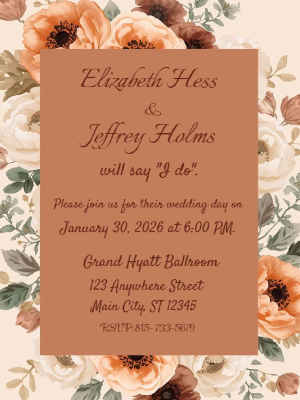
- If the couple is hosting themselves, you can simply say: "Emma Johnson and Michael Lee invite you to celebrate their wedding..."
The hosting line influences the formality of your invitation wording and acknowledges those inviting the guests.
Step 4: Craft the Opening Line for Your Invitation
The opening line sets the tone and states the invitation to join the celebration. Common phrases based on formality include:
- Formal: "Request the honor of your presence" (typically for religious ceremonies)
- Semi-formal: "Request the pleasure of your company" or "Joyfully invite you to celebrate"
- Informal: "Invite you to join us" or "Would love for you to celebrate with us"
Choose wording that aligns with your event’s style and etiquette.
Step 5: Write the Names of the Couple
How you list the couple’s names depends on your style and hosts. Some key tips include:
- Traditional formal wording: The bride’s name appears before the groom’s.
- Non-traditional styles: Couples may choose to list names alphabetically or in whichever order they prefer.
- Include full names for formal invites; first names are suitable for casual invites.
Example formats:
- Emma Grace Johnson and Michael David Lee
- Emma and Michael
- Miss Emma Johnson and Mr. Michael Lee
Step 6: Specify the Date and Time Clearly
Be clear and precise with your wedding date presentation. Writing out dates fully maintains formality:
- “Saturday, the twenty-first of October, two thousand twenty-four”
- Time can be written as: “at five o’clock in the evening” or “5:00 PM”
Avoid numeric dates in formal text to uphold elegance. Use day of the week for guests to be sure of the wedding day.
Step 7: Include the Location Details
Accurate venue information ensures your guests arrive without confusion. Provide:
- Venue name
- Full street address (including city, state, and zip code if desired)
- Optional directions or landmarks—usually on a separate insert or wedding website
Example location wording:
- The Rosewood Garden
456 Magnolia Lane
Charleston, South Carolina
Step 8: Add Reception Information (If Applicable)
If the reception is at a different location or time from the ceremony, clarify that information. You can add this on the main invitation or a separate Reception Card. Common examples:
- “Reception to follow at The Grand Ballroom”
- “Dinner and dancing immediately after the ceremony at 7:00 PM”
- For informal wording: “Join us for a reception at...”
Step 9: Provide RSVP Instructions
Clear RSVP details help with your wedding planning. Common methods include:
- Including a return RSVP card with a deadline
- Requesting replies via email or phone
- Directing guests to a wedding website to RSVP online
Example RSVP wording:
- “Please respond by August 1st”
- “Kindly reply at www.emmichaelwedding.com/rsvp”
- “RSVP to Emma at [email protected] or 555-123-4567”
Step 10: Consider Additional Wording Details
Depending on your wedding plans, you might want to add other information directly on your invitations or accompanying inserts:
- Dress code: Let guests know if you're expecting formal, black tie, casual, or themed attire.
- Children: Specify whether kids are invited or if it’s an adults-only event.
- Accommodation info: Helpful for out-of-town guests, mention hotel blocks or transportation.
- Special requests: Such as no gifts, gluten-free meals, or COVID precautions.
Additional Tips for Perfect Wedding Invitation Wording
- Keep it concise: Invitations should balance thoroughness with brevity.
- Use proper grammar and spelling: Typos undermine the elegance and clarity.
- Match the tone to your wedding style: From formal to fun, consistency is key.
- Proofread multiple times: Have several people review your wording before printing.
- Stay consistent with titles and names: Avoid mix-ups by choosing a style and sticking with it.
Common Wedding Invitation Wording Examples
Traditional Formal Wording
“Mr. and Mrs. Robert Wilson request the honor of your presence at the marriage of their daughter Emma Grace to Michael David Lee on Saturday, the twenty-first of October, two thousand twenty-four at five o’clock in the evening at The Rosewood Garden, 456 Magnolia Lane, Charleston, South Carolina. Reception to follow.”
Semi-Formal Wording
“Together with their families, Emma Johnson and Michael Lee joyfully invite you to celebrate their wedding on Saturday, October 21st, 2024 at 5:00 PM at The Rosewood Garden, Charleston, SC. Dinner and dancing to follow.”
Casual or Informal Wording
“Emma and Michael invite you to join them for their wedding celebration on Saturday, October 21st, 2024 at 5 PM at The Rosewood Garden. Let’s celebrate with food, fun, and dancing afterwards!”
Final Thoughts on How to Word Your Wedding Invitations
Mastering the wording of your wedding invitations requires attention to detail, respect for wedding etiquette, and a clear presentation of essential information. Whether you prefer formal elegance or casual charm, following this step-by-step guide will help you communicate your special day perfectly to your guests. A well-worded invitation not only provides details but also builds excitement for your wedding, ensuring that everyone knows when, where, and how to celebrate this important milestone with you.