Is a $40,000 Wedding Budget Realistic for 150 Guests in 2026?
Planning a wedding in 2026 requires a clear understanding of current costs and realistic budgeting. With inflation and ongoing shifts in the wedding industry, determining whether a $40,000 wedding budget for 150 guests is feasible is a common question for engaged couples. In this guide, we’ll break down the key components of a wedding budget and analyze whether $40,000 will cover a memorable day without breaking the bank.
Understanding Average Wedding Costs in 2026
Wedding expenses continue to rise steadily each year, influenced by factors such as venue pricing, vendor availability, and rising labor costs. According to recent industry reports and wedding planning platforms, the average cost of a wedding in the United States has grown, but prices vary widely depending on location and style.
For a guest count of 150, couples typically face higher costs in catering, rentals, and entertainment. Here’s a rough estimation of average per-guest costs in 2026:
- Catering & Drinks: $75 - $125 per person
- Venue Rental: $5,000 - $10,000 total
- Photography & Videography: $3,000 - $6,000 total
- Attire (Dress, Suit, etc.): $2,000 - $5,000 total
- Florals & Décor: $2,000 - $4,000 total
- Entertainment (DJ/Band): $1,500 - $4,000 total
Without factoring in miscellaneous expenses, these numbers already suggest that budget planning requires careful balancing.
Breaking Down the $40,000 Wedding Budget
Let’s analyze how to distribute a $40,000 wedding budget efficiently for 150 guests, keeping in mind the essential wedding components:
Catering and Bar
Food and beverages often consume the largest portion of a wedding budget. For 150 guests, even a modest menu averaging $85 per person would cost approximately $12,750. To stay within budget, consider:
- Opting for buffets or family-style meals instead of plated dinners.
- Limiting the bar to beer, wine, and a few signature cocktails instead of a full open bar.
- Including children or special dietary needs in the guest count to avoid surprise costs.
Venue Rental
Wedding venues are another major expense. Popular locations in urban areas may charge $8,000 or more, while venues in suburban or rural areas can be around $4,000 to $6,000.
Tips for saving on venue costs:
- Choose venues that include tables, chairs, and basic linens to reduce rental fees.
- Consider off-peak seasons or weekdays for lower prices.
- Check for all-inclusive venues that bundle services for cost-effectiveness.
Photography and Videography
Capturing the memories is vital, and professional photography typically costs between $3,000 and $6,000 depending on the package. Videography can add another $1,500 to $3,000.
To remain within budget:
- Hire a photographer offering customizable packages.
- Consider a day-of videographer fractionally capturing key moments instead of full edits.
- Negotiate bundle deals if booking photography and videography together.
Attire and Beauty
Bridal and groom attire including dress/suit, alterations, shoes, and accessories tend to range between $2,000 and $5,000.
Budget-conscious ideas include:
- Shopping sample sales or gently used dresses.
- Renting tuxedos or suits for the groom and groomsmen.
- DIY hair and makeup or enlisting talented friends and family.
Florals and Décor
Flowers and décor usually cost $2,000 to $4,000 for a wedding this size. To save:
- Use seasonal and locally sourced flowers.
- Incorporate greenery and non-floral elements for a trendy look.
- Repurpose ceremony décor for the reception centerpieces.
Entertainment
A DJ typically costs between $1,200 and $3,000, while live bands often command $3,000 to $6,000. For a moderate budget:
- A professional DJ can provide music and emcee services at a lower cost.
- Consider hiring musicians only for the ceremony or cocktail hour to reduce fees.
Additional Expense Categories
Don’t forget to allocate funds for other critical elements including:
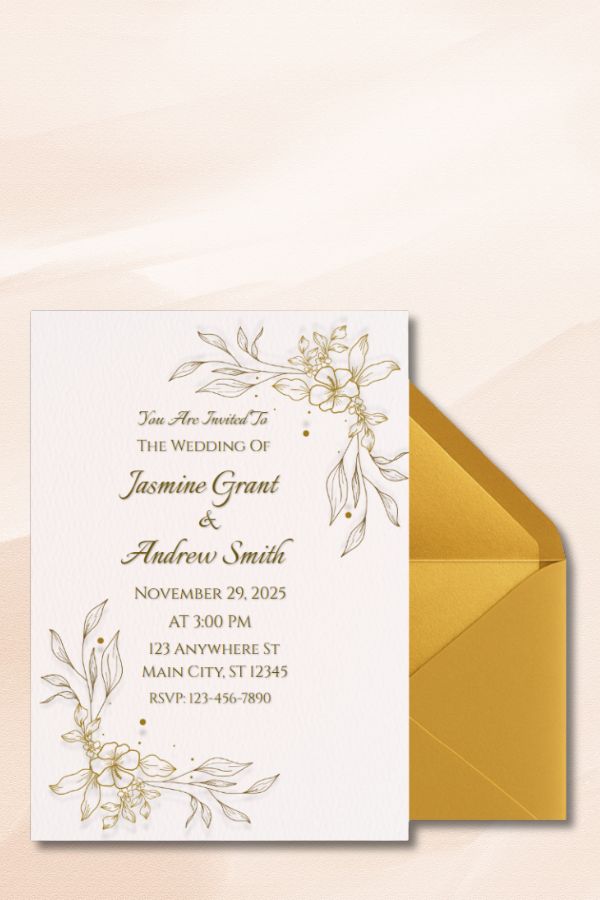
- Invitations and stationery ($300 - $800)
- Transportation for guests or wedding party ($500 - $1,500)
- Wedding planner or day-of coordinator ($1,500 - $3,000)
- Favors, gifts, or miscellaneous rentals ($500+)
- Taxes and gratuities (often 20-25% of vendor costs)
Practical Tips for Stretching a $40,000 Wedding Budget
To achieve a beautiful wedding within a $40,000 budget for 150 guests, consider these strategic tips:
Prioritize Your Must-Haves
Couples should identify the three most important aspects of their wedding — such as venue, food, and photos — and allocate funds accordingly. Cutting back on lesser priorities can make room for splurges where it really counts.
Choose a Smaller Guest List
Though 150 guests is considered a medium to large wedding, trimming the list by even 20-30 guests can create significant savings on catering and venue size.
Book Vendors Early
Early bookings often come with discounts. Reserving your venue and vendors well in advance helps lock pricing ahead of inflationary trends.
Consider Off-Peak Seasons
Weddings held during fall, winter, or weekdays are usually more budget-friendly. These options often come with venue and vendor cost reductions.
DIY and Personalize
Personal touches such as homemade décor, invitations, or favors can lower costs while adding sentimental value to the event.
Comparing $40,000 to Average Wedding Budgets in 2026
Based on projections, the average cost for a 150-guest wedding in 2026 is expected to range between $45,000 and $60,000 depending on region. Therefore, $40,000 is below average but still achievable with smart planning and compromises.
Couples targeting this budget should focus on:
- Setting realistic vendor expectations
- Prioritizing spending on meaningful experiences
- Seeking vendors who offer customizable services
- Being flexible on date and location
Regional Variables Affecting Wedding Costs
It’s important to note that the feasibility of a $40,000 wedding budget drastically varies by location:
- Urban areas: Metropolitan cities such as New York, San Francisco, or Los Angeles tend to have higher vendor fees and venue rentals.
- Suburban or rural areas: Smaller towns and rural venues generally offer more affordable options.
- Destination weddings: Travel and accommodation add to the total but sometimes vendors offer package deals.
Couples should research local vendor pricing and negotiate accordingly to optimize their budget based on their wedding location.
How Inflation and Trends Impact Wedding Budgets in 2026
Ongoing inflation affects prices for services and materials integral to weddings. Costs for food, floral supplies, and labor have increased over recent years.
Wedding trends such as micro-weddings or intimate celebrations sometimes reduce expenses, while luxury touches or unique destinations inflate costs.
Couples planning a wedding for 2026 should incorporate these economic factors into their expectations and remain adaptable.
Conclusion: Can You Have a Beautiful Wedding with $40,000 for 150 Guests?
The bottom line is yes — a $40,000 wedding budget for 150 guests in 2026 is realistic but requires thoughtful planning, prioritization, and strategic decision-making. By understanding the major cost drivers, effectively allocating funds, and following money-saving tips, couples can celebrate their special day beautifully without overspending.
Ultimately, clear communication with vendors, flexibility in choices, and focusing on what truly matters will ensure a memorable wedding within the $40,000 budget framework.