Understanding the Etiquette of Asking Guests to "Pay Their Own Way" at Adult Birthday Dinners in 2026
When planning an adult birthday dinner in 2026, one question that often arises is whether it’s appropriate to ask guests to "pay their own way." This topic can be sensitive, touching on social etiquette, cultural expectations, and personal finances. As social norms evolve, especially in a post-pandemic world and with shifts in event planning trends, the appropriateness of split-cost arrangements requires thoughtful consideration.
What Does "Pay Their Own Way" Mean?
The phrase "pay their own way" usually means that guests are expected to cover the cost of their meals, drinks, or any other expenses incurred during the celebratory dinner. Unlike traditional birthday parties where the host pays for everything, this arrangement shifts some or all financial responsibility onto the attendees.
Common Scenarios for Paying Their Own Way
- Casual dinners at restaurants where the host invites but does not subsidize the meal
- Group gatherings without formal invitations or gift-giving expectations
- Events where the host intends to keep costs low due to budget constraints
- Shared accommodations or travel during birthday-related trips
Is It Socially Acceptable to Ask Guests to Pay Their Own Way in 2026?
Social acceptance continues to evolve, particularly as economic factors and cultural diversity impact how celebrations are planned and perceived. The short answer: yes, it can be acceptable, but context and communication are key.
Factors Influencing Etiquette
- Relationship with Guests: Close friends and family may have different expectations than workplace acquaintances or casual social circles.
- Location and Venue: Informal venues or casual dining spots often make it easier to ask guests to pay.
- Invitation Wording: Clear and polite messaging helps manage expectations before the event.
- Host’s Financial Situation: Transparency, when appropriate, can foster understanding.
- Culture and Tradition: Some cultures expect hosts to pay, while others are more accustomed to shared expenses.
How to Navigate Asking Guests to "Pay Their Own Way" Gracefully
Successfully communicating a "pay your own way" request without offending guests is an art. These tips can help you approach this situation with tact and transparency.
Be Clear and Honest in Invitations
Clarity is paramount. Avoid ambiguous language that may lead guests to expect the party to be fully hosted. Use polite phrases like “Join us for a casual dinner—each guest is welcome to order what they like.” This sets realistic expectations from the outset.
Choose the Right Venue
Selecting a restaurant or venue where pay-your-own-way dinners are common can help guests feel at ease. Avoid formal or upscale venues where paying separately might feel out of place.
Consider Alternative Celebration Options
If you’re hesitant about asking guests to pay, consider these alternatives:
- Potluck Dinner: Guests bring dishes to share, distributing costs and effort.
- Casual Meetups: Host a low-key gathering at home or in a park.
- Give Clear Limits: For example, provide a budget-friendly prix fixe menu that the host covers.
SEO Keywords and Phrases to Include in the Blog for Effective Ranking
- pay their own way birthday dinner
- adult birthday party etiquette 2026
- birthday dinner planning guide
- asking guests to pay for themselves
- splitting costs at birthday parties
- birthday celebration budget tips
- how to invite guests to pay their own way
- adult birthday party planning tips
- 2026 birthday dinner etiquette
Pros and Cons of Asking Guests to Pay Their Own Way
Pros
- Financial Relief for the Host: Sharing the cost makes it easier to afford a nicer venue or meal.
- Encourages Mindful Spending: Guests can choose meals within their budget.
- Flexible Arrangements: May allow for larger gatherings without significant expense.
Cons
- Potential for Awkwardness: Some guests may feel uncomfortable or offended.
- Unequal Experience: Differences in meal choices might create social barriers at the table.
- Risks Damaging Relationships: If poorly communicated, could seem inconsiderate.
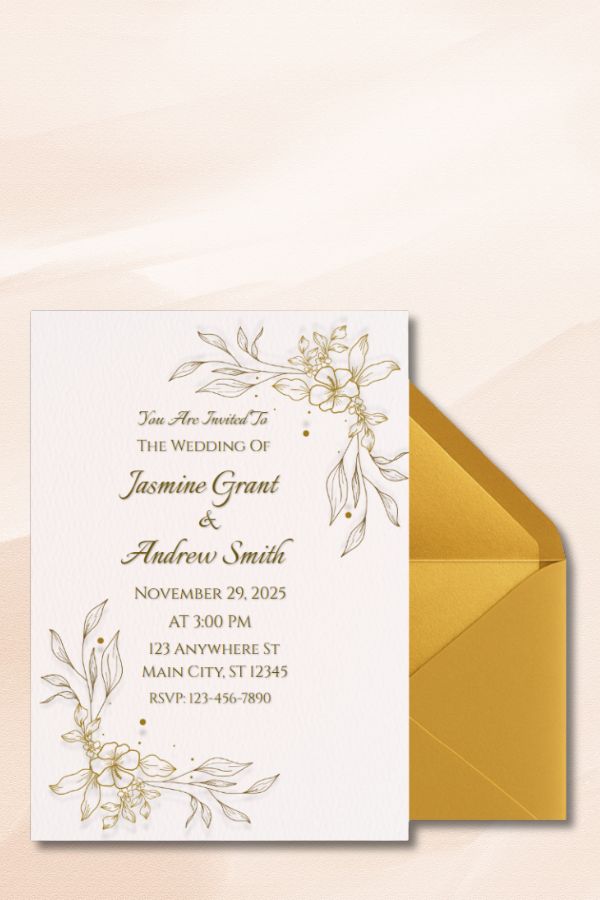
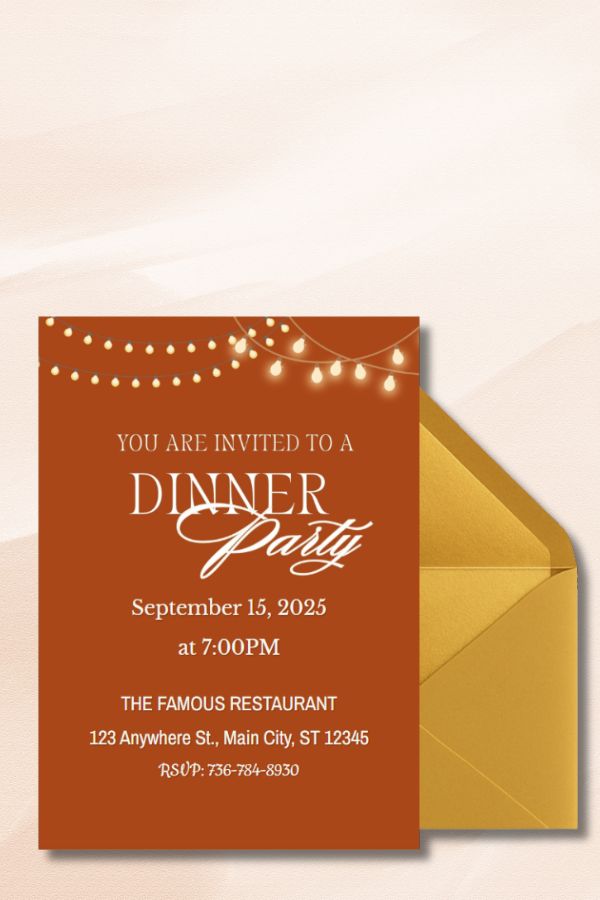
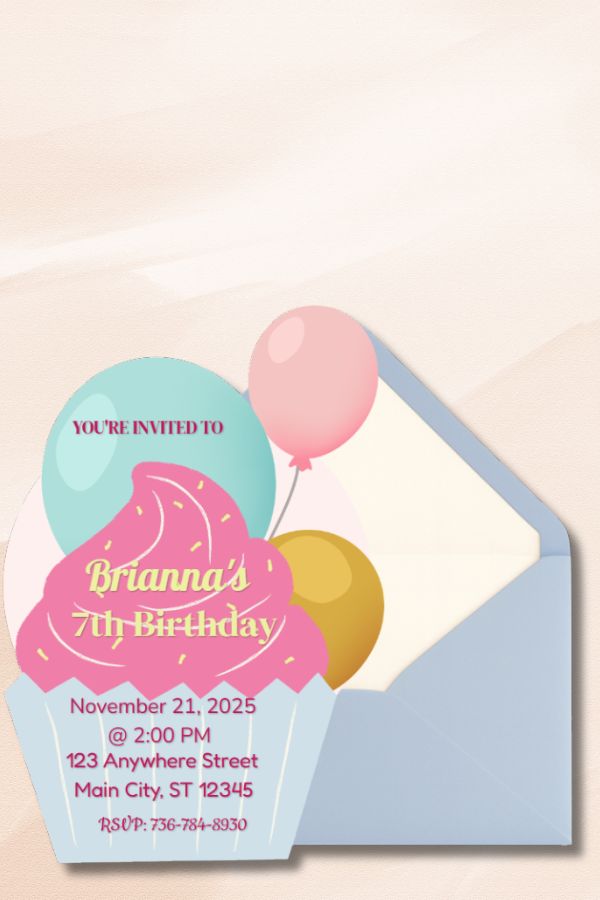
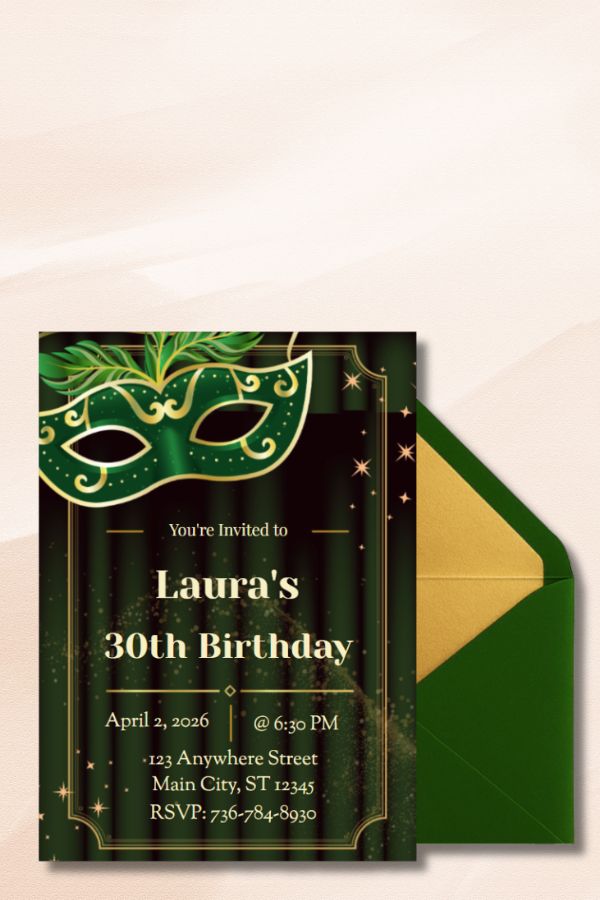
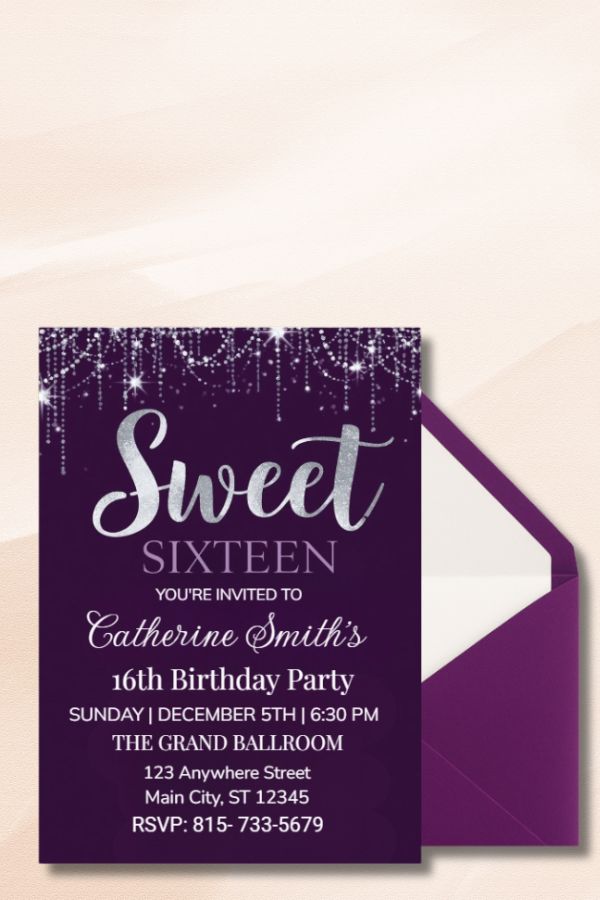
How to Write Invitations That Politely Indicate Guests Should Pay Their Own Way
Below are a few sample phrasings that respectfully communicate the expectation without offending:
- “We’re celebrating [Name]’s birthday with a dinner at [Venue]. Drinks and meals will be on an individual basis.”
- “Please join us for a casual birthday dinner. Guests will cover their own bills.”
- “We’ll be gathering at [Restaurant] for [Name]’s birthday. Hope you can join us—each guest pays for their own meal.”
- “Looking forward to celebrating together! Please note this will be a pay-your-own-way dinner.”
Alternatives to Asking Guests to Pay Their Own Way
If asking guests to pay seems risky or inappropriate, consider other strategies to manage costs:
- Host a BYOB (Bring Your Own Beverage) Event: Guests bring drinks, reducing costs for the host.
- Plan a Group Activity Instead: Like a picnic or an outing where expenses are minimal and shared.
- Suggest a Gift Registry or Group Gift: Where contributions help cover the party cost instead of individual meal payments.
Understanding Generational and Cultural Differences in 2026 Birthday Celebrations
Each generation and community may view birthday hosting norms differently. Millennials and Gen Z tend to value casual, budget-conscious events and may be more accepting of "pay your own way" invitations. Meanwhile, older generations may anticipate traditional hosting where the celebrant covers costs.
Cultural values can also play a significant role. In many Western cultures, sharing costs is increasingly common for informal gatherings. In contrast, some cultures emphasize hospitality through hosting and covering costs.
Final Thoughts on Asking Guests to Pay Their Own Way at Adult Birthday Dinners
In 2026, the etiquette around asking guests to pay for their own meals at adult birthday dinners is more flexible than in past decades. The key to success lies in clear, thoughtful communication tailored to the guest list and the type of celebration planned. Hosts should weigh the pros and cons and consider their relationships with guests when making this choice. Ultimately, honest, respectful invitations that set proper expectations can create enjoyable birthday dinners without awkwardness or social missteps.