Is It Too Early to Send Save the Dates? Why Timing Matters for Guest Attendance
When it comes to planning a wedding, every detail counts—especially when it involves inviting your guests. One of the earliest steps in the wedding invitation process is sending out “Save the Dates.” But a common question many couples face is: Is it too early to send save the dates? Understanding the right timing can make all the difference in ensuring your loved ones not only mark their calendars but actually attend your special day.
What Are Save the Dates and Why Are They Important?
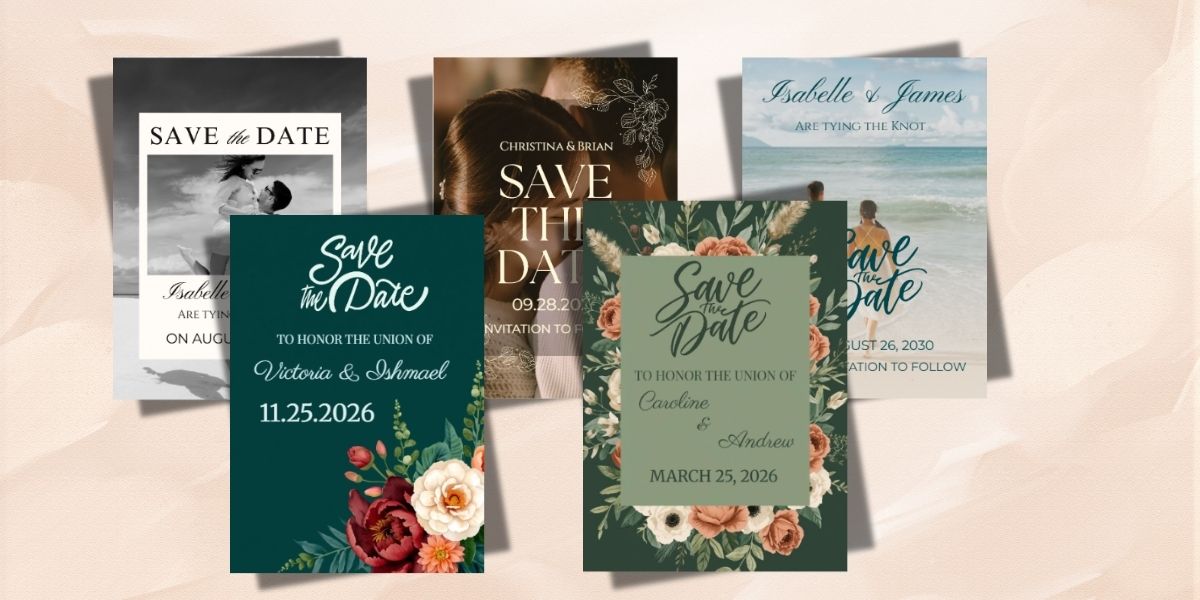
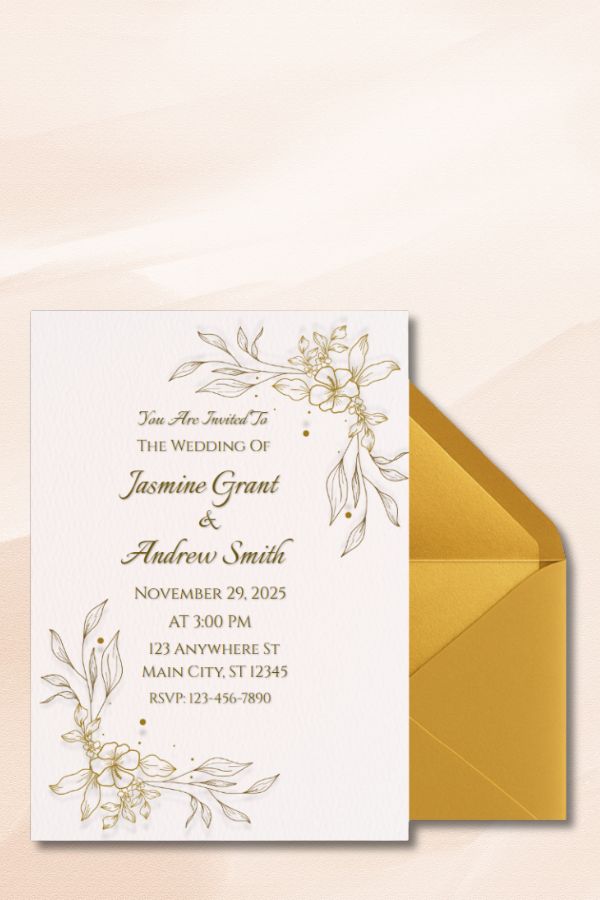
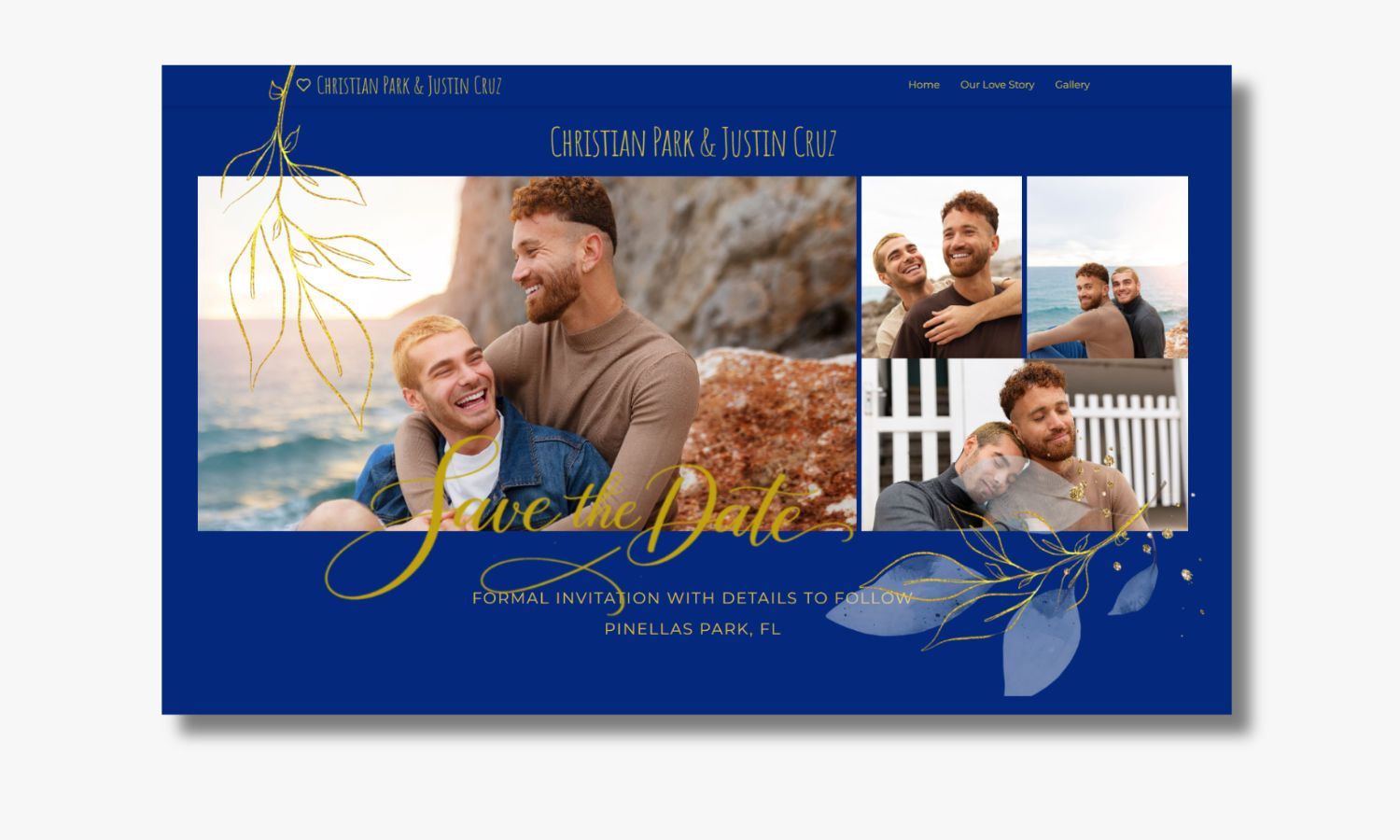
Save the dates are pre-invitations that inform your guests about your wedding date and location well in advance of the official invitations. Unlike formal invitations that include RSVP requests and detailed event information, save the dates serve a simple but crucial purpose: giving your guests a heads-up so they can plan accordingly.
For many couples, sending save the dates is the first official step in the wedding planning timeline. This early notification helps with several aspects:
- Guest availability: Allows guests to block off the date, especially for weddings during busy seasons or on holidays.
- Travel preparations: Gives out-of-town guests ample time to book flights and accommodations.
- Accommodating close family and friends: Ensures that people closest to you can prioritize your wedding in their schedules.
- Minimizing conflicts: Helps reduce the risk of scheduling conflicts by making your wedding date known far in advance.
How Early Is Too Early to Send Save the Dates?
So, when should you send save the dates? The general consensus among wedding planners is that save the dates should be sent six to eight months before your wedding day. However, there are exceptions based on your unique situation.
Standard Timing: 6 to 8 Months Before the Wedding
Sending save the dates six to eight months ahead strikes a good balance. It gives guests enough time to plan without making them feel rushed or overwhelmed. This window is especially effective if you’re hosting a destination wedding or inviting many out-of-town guests.
When Sending Save the Dates Early Makes Sense
In some cases, sending save the dates earlier than eight months is advisable. Consider these scenarios:
- Destination weddings: Guests may need more time to make travel and lodging arrangements.
- Holiday weekends: If your wedding falls on or near a holiday or long weekend, advanced notice helps guests avoid conflicting commitments.
- Busy guest calendars: When you know many of your guests have demanding schedules, early save the dates increase the likelihood that they’ll attend.
Why Sending Save the Dates Too Early Can Backfire
While getting the word out early is often beneficial, there can be drawbacks to sending save the dates too far in advance—say, a year or more before the wedding:
- Guests may forget: The earlier you send the save the date, the higher the chance guests will forget to keep the date free as time passes.
- Risk of wedding details changing: If your venue, date, or other details aren’t fully confirmed, early save the dates can cause confusion and stress.
- Reduced urgency: Guests might delay making travel plans, assuming they have plenty of time, which can lead to complications later.
Why Timing Matters for Guest Attendance
Ensuring your guests attend your wedding is tied directly to how and when you communicate your plans. Timing of save the dates influences attendance in several key ways:
Allows Guests to Prioritize Your Event
In today’s busy world, guests juggle work, personal commitments, and other events. By sending save the dates at the right time, you increase your chances of making your wedding a priority. Whether it’s booking time off from work or coordinating travel, adequate notice helps guests commit early.
Prevents Scheduling Conflicts
Inviting your guests six to eight months in advance helps avoid common conflicts such as overlapping events, family vacations, or holidays. Early notice can reduce last-minute cancellations and regretful RSVPs.
Facilitates Budgeting for Guests
Weddings can be expensive for guests, especially if they require travel or accommodation costs. By sending save the dates in a timely manner, you allow them to budget accordingly, increasing the likelihood that they will attend.
Tips for Perfectly Timing Your Save the Dates
Strategic planning can help you hit the sweet spot when sending save the dates. Consider these expert tips:
Finalize Wedding Details Before Sending
Make sure your wedding date and venue are locked in before sending save the dates. Changes to these core details after sending can cause confusion and frustration among guests.
Consider Your Guest List
If your guest list includes many out-of-town or international friends and family, aim to send save the dates earlier—around eight months prior or even a bit sooner.
Use Digital Save the Dates for Flexibility
Digital save the dates can be an excellent option if you’re unsure about final details. They are easy to update or resend and can be delivered quickly.
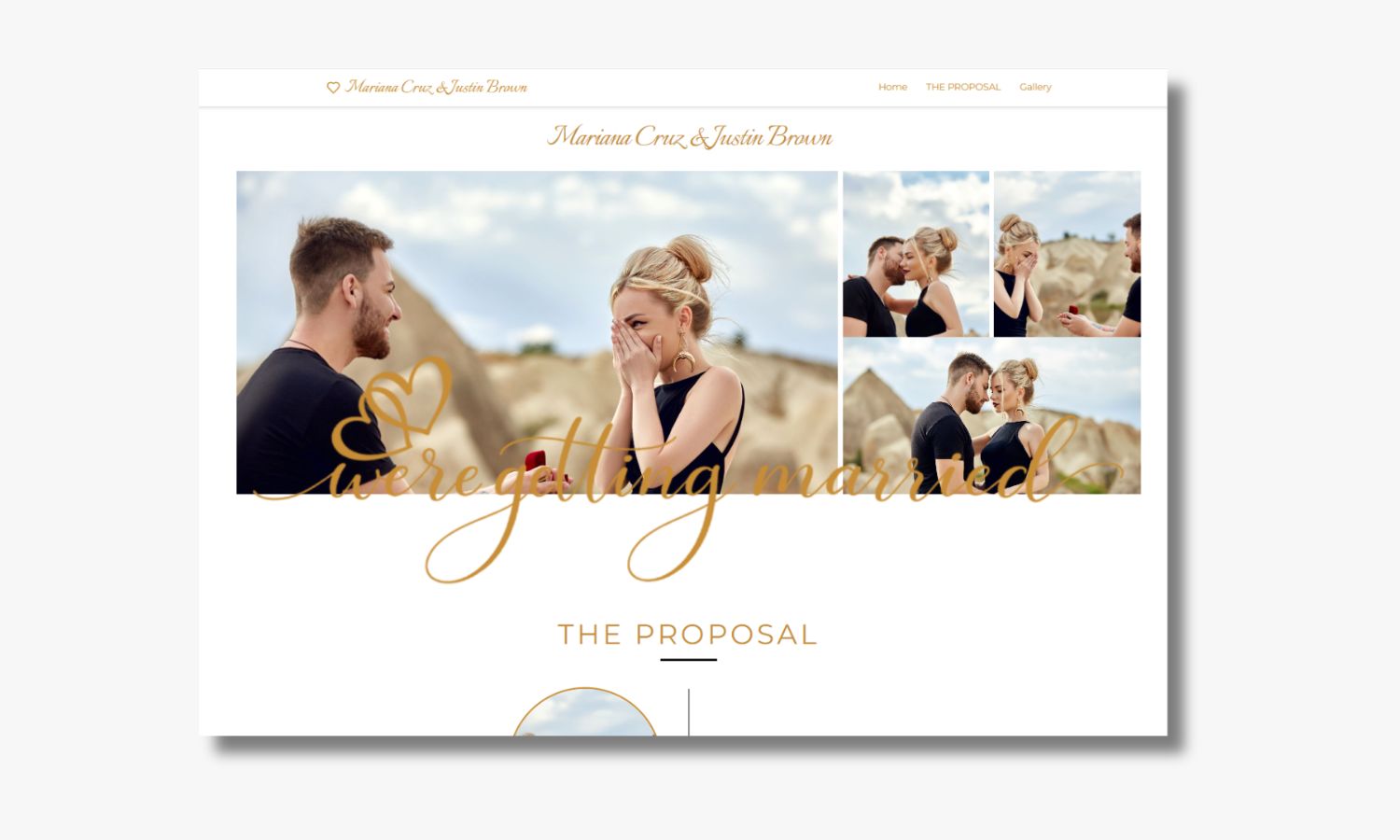
Don’t Forget Your Wedding Website
Include a link to your wedding website where guests can find up-to-date information, accommodation suggestions, and travel tips. This keeps everyone informed and engaged.
Common Questions About Save the Dates Timing
Can I Send Save the Dates After Invitations?
It’s uncommon to send save the dates after invitations because the main purpose is to alert guests in advance. Invitations typically arrive three to four months before the wedding date.
What If I Change My Wedding Date?
If your wedding date changes after save the dates are sent, communicate promptly with your guests through your wedding website, social media, or follow-up messages to avoid confusion.
Do I Need to Send Save the Dates for Small or Local Weddings?
While less necessary for casual, local weddings, save the dates can still be useful if your event overlaps with busy weekends or big holidays.
Conclusion: Finding the Right Balance
Sending your save the dates the right amount of time before your wedding date is a crucial step in ensuring maximum guest attendance and a smooth planning process. The ideal timing varies based on your wedding type, guest locations, and the certainty of your wedding details. Generally, aim for six to eight months before your big day to hit the perfect balance between giving guests ample notice and keeping information fresh.
By understanding why timing matters and applying these tips, you can confidently plan your save the date announcements and set your wedding up for success from the very beginning.