Understanding Event Rental Costs in 2026
When planning an event, one of the most crucial aspects to consider is the cost of furnishing the venue. Whether you are organizing a wedding, corporate gathering, birthday party, or any other social event, rental furniture and décor set the tone and atmosphere. In 2026, event rental prices continue to evolve due to factors such as inflation, demand, and innovation in event styling. This comprehensive guide will break down the typical event rental price ranges, highlight key items you’ll need, and provide insight into how to budget effectively for your upcoming event.
The Basics of Event Rental Pricing
Event rental costs vary significantly based on geographic location, event size, the type of furniture and accessories, and rental duration. Typically, rental companies charge either per item or as package deals. Understanding these pricing structures can help you plan your budget realistically and avoid surprises.
Keep in mind, the following pricing estimates reflect national averages in the United States for 2026. Your actual costs may vary depending on your event’s specifics and vendors.
Key Factors Influencing Event Rental Costs
- Event Location: Urban areas generally have higher rental fees due to transportation and higher operating costs.
- Event Size: Larger events may qualify for discounted bulk pricing, but also might require more varied inventory.
- Rental Duration: Standard rentals are usually for 24 hours, but extended days increase costs.
- Season and Demand: Peak event seasons (spring and fall) often come with premium prices.
- Furniture Style & Quality: Premium or designer furniture typically carries a higher rental fee.
2026 Event Rental Price Guide: Common Furniture and Equipment
Tables
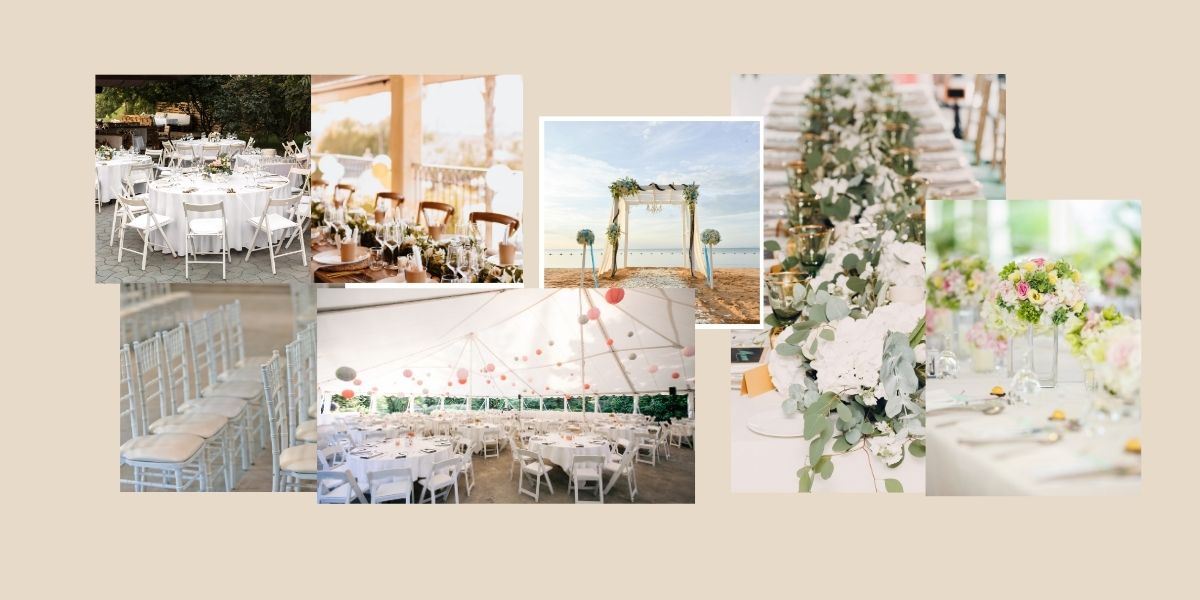
Tables are essential for nearly every event and come in many styles: banquet, cocktail, round, rectangular, and specialty shapes.
- Banquet Tables (6-8 feet): $12 - $30 per table
- Round Tables (60”-72”): $15 - $40 per table
- Cocktail Tables (High Tops): $10 - $25 per table
- Specialty Shapes (e.g., hexagonal, farm tables): $25 - $60 per table
Chairs
Chair rentals have a wide cost range depending on style and material. More elegant or branded chairs increase price.
- Basic Folding Chairs: $2 - $5 each
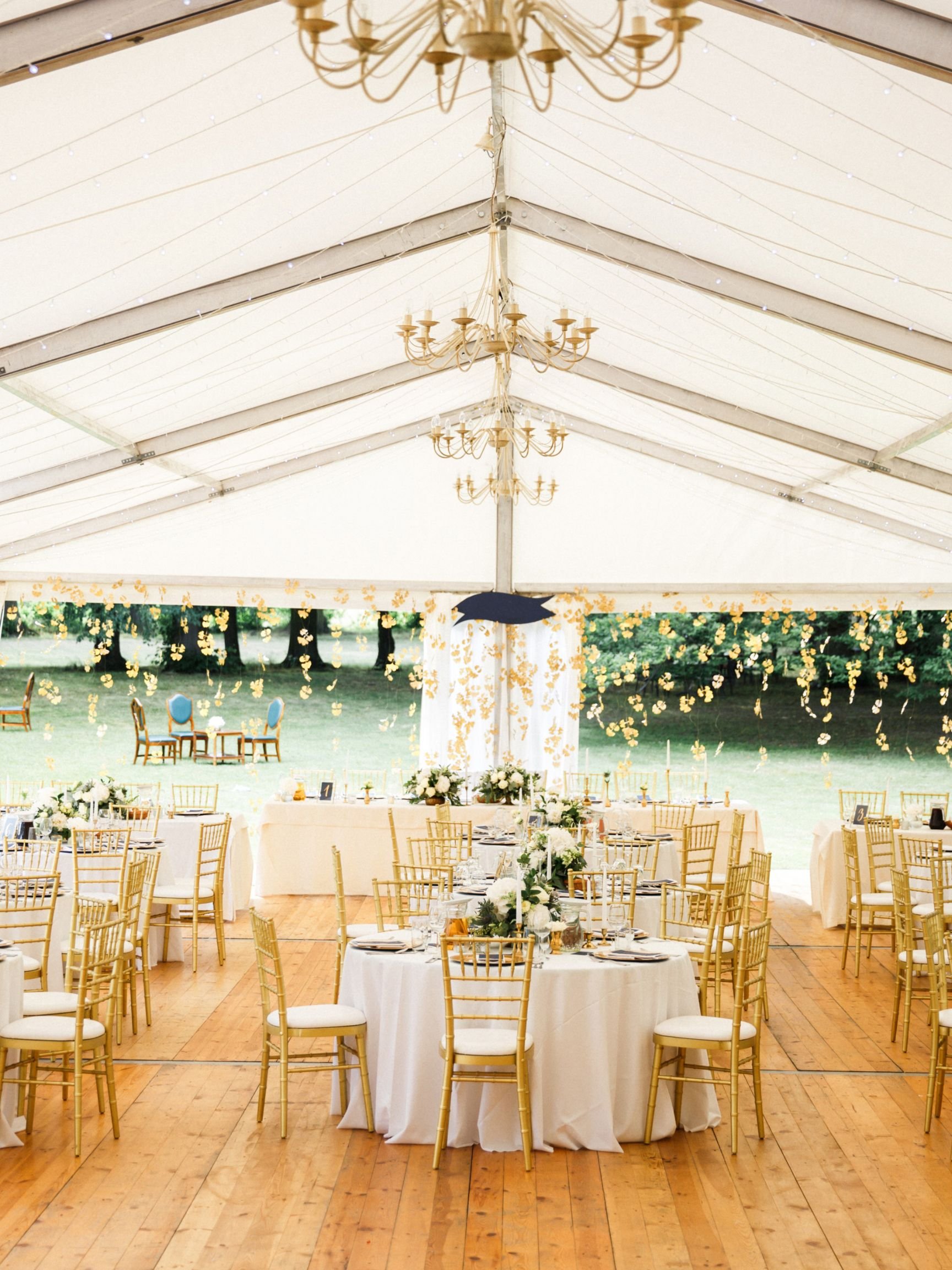
- Chiavari Chairs: $8 - $15 each
- Wooden or Resin Chairs: $6 - $12 each
- Lounge Seating (chairs & sofas): $50 - $150 per piece
Linens
Linens add color and style while protecting rental furniture. Custom or specialty fabrics cost more.
- Tablecloths: $10 - $30 each
- Napkins: $1 - $3 each
- Table Runners: $8 - $25 each
- Chair Covers: $4 - $12 each
Décor and Accessories
Décor elements enhance ambiance but can add to the overall budget.
- Centerpieces (non-floral): $25 - $100 each
- Lighting (uplights, string lights): $30 - $150 per unit
- Dance Floor Rental: $300 - $1,000 depending on size
- Staging and Platforms: $100 - $400 per section
Tents and Outdoor Rentals
For outdoor events, tents and related equipment are vital and add significant costs.
- Small Tent (10’x10’): $150 - $350
- Large Tents (20’x40’ or larger): $800 - $3,000+
- Heating or Cooling Equipment: $75 - $300 each
- Sidewalls and Flooring for Tents: $100 - $400
Additional Costs to Consider
Beyond the basic rental fees, there are other potential expenses to incorporate into your event furnishing budget.
Delivery, Setup, and Pickup Fees
Delivery fees depend on distance, load complexity, and number of trips required. Many companies charge setup and breakdown fees as well.
- Standard Delivery Fee: $75 - $250
- Setup/Installation Fee: $50 - $200
- Pickup Fee: Often included in delivery, but can be $50 - $150
Damage Waivers and Insurance
To protect rental items, many companies offer or require damage waivers. This fee often ranges from 5% to 10% of the total rental cost. Check if your event insurance covers rental items to avoid duplicate costs.
Taxes and Gratuities
Sales tax varies by state and local jurisdiction but typically ranges from 5% to 10%. Additionally, consider tipping delivery staff if customary in your area.
How to Save Money on Event Rentals in 2026
With event budgets often tight, strategizing for cost-effective rentals is essential. Here are some practical tips to help reduce rental expenses without compromising style:
- Book Early: Secure your rentals well in advance to avoid last-minute price hikes.
- Bundle Items: Many rental companies offer discounts for bundled packages.
- Choose Standard Sizes and Designs: Avoid custom or unique pieces which are typically pricier.
- Limit Rental Duration: Keep rental periods as short as possible to minimize fees.
- Compare Multiple Vendors: Obtain quotes from several companies and negotiate for the best rates.
- Consider Alternatives: Look for refurbished or used furniture rentals, especially for casual events.
Planning for Different Event Types
Rental needs can differ widely depending on the type of event. Assess your specific function carefully to prioritize what furniture and accessories will make the biggest impact.
Weddings
Weddings often require a wide range of rentals: elegant chairs like Chiavari, decorative linens, specialty tables, lighting, and lounges for cocktail hours. Prices for weddings tend to be higher due to increased demand.
Corporate Events
Corporate gatherings typically focus on functional furniture with modern aesthetics, such as sleek banquet and cocktail tables, branded signage, and AV equipment rentals.
Birthday Parties and Social Gatherings
Smaller social events may prioritize budget rentals such as folding chairs, standard tables, and simple décor. Outdoor backyard parties might also require tent rentals depending on weather.
Festivals and Large Public Events
Large-scale events often need vast inventories, including stages, tents, portable seating, and sound systems. Bulk pricing and long-term rentals are common in these scenarios.
Conclusion
Furnishing your event with rented furniture and décor is a key element in creating a memorable experience. As 2026’s event rental prices show, costs can vary widely based on many factors including style, event size, and location. By understanding average price points for essential rental items, anticipating additional costs, and employing smart budgeting strategies, you can manage your event’s furnishing expenses effectively. Careful planning and early vendor engagement remain instrumental in securing the best quality at competitive prices.