The 5 Most Common Wedding Planning Arguments and How to Resolve Them
Wedding planning is an exciting journey, but it can also bring stress and disagreements. Couples often find themselves facing conflicts that stem from different expectations, budget concerns, or family pressures. Understanding the most common wedding planning arguments and learning effective ways to resolve them can make the process smoother and more enjoyable. In this comprehensive guide, we explore the top five wedding planning disputes and provide practical solutions to help couples stay united during this special time.
1. Budget Disagreements
One of the most frequent sources of tension during wedding planning is the budget. Couples may have differing opinions on how much to spend and which expenses are priorities.
Why It Happens
- Different financial situations or expectations
- Pressure to impress friends and family
- Unrealistic ideas of what a wedding should cost
How to Resolve Budget Conflicts
- Open Communication: Discuss your financial limits honestly and regularly to align expectations.
- Set Priorities: Agree on which elements of the wedding matter most (e.g., venue, food, photography) and allocate funds accordingly.
- Create a Detailed Budget Plan: Use wedding budget tools or apps designed for couples to track expenses and avoid overspending.
- Be Flexible: Consider alternatives or compromises to stay within budget without sacrificing your vision.
2. Guest List Conflicts
Deciding who makes the guest list can become a heated argument as couples try to balance the number of invitees with venue capacity and budget constraints.
Common Issues with the Guest List
- Conflicting opinions about including extended family or friends
- Pressure from relatives to invite certain people
- Concerns about creating a comfortable atmosphere for everyone
Resolving Guest List Disputes
- Set Clear Criteria: Agree on guidelines, such as inviting only close family and friends or those who are meaningful in your lives.
- Use a Tiered List: Organize guests into categories (e.g., must-invite, would-like-to-invite) to help manage numbers and prioritize.
- Communicate Boundaries: Be polite but firm with family members about limitations, emphasizing budget and venue restrictions.
- Consider Alternative Celebrations: Hosting smaller events like a rehearsal dinner or post-wedding brunch can accommodate more people.
3. Choosing the Venue
Selecting the perfect wedding venue can lead to disagreements due to differing tastes, budgets, and accessibility concerns.
Why Venue Selection Causes Conflict
- Disagreements on style (rustic barn vs. elegant ballroom)
- Proximity to family and guests
- Costs that exceed budget limits
- Venue availability on desired dates
Solutions to Venue Disputes
- Make a Wish List: List features that each partner considers essential, such as capacity, location, or ambiance.
- Visit Venues Together: Touring potential locations can help both partners envision the day and make informed decisions.
- Prioritize Must-Haves vs. Nice-to-Haves: Focus on critical factors and be willing to compromise on less important details.
- Consult a Wedding Planner: Professionals can suggest venues that meet your criteria, budget, and availability.
4. Differences in Wedding Style and Theme
Couples often have contrasting ideas about the overall style, color schemes, and theme of their wedding, leading to conflicts during the design process.
Common Style-Related Disagreements
- Traditional vs. modern aesthetics
- Casual vs. formal dress code
- Color palette choices and decor preferences
- Cultural or religious traditions to include
How to Harmonize Wedding Style Differences
- Combine Elements: Blend both partners’ tastes to create a unique and meaningful theme.
- Create a Mood Board: Use Pinterest or physical boards to collect ideas and identify overlapping preferences.
- Set a Clear Vision Early: Agree on the overall mood and tone to guide all aesthetic decisions.
- Respect Each Other’s Preferences: Allow each partner to have input on specific details (e.g., one chooses flowers, the other chooses music).
5. Managing Family Expectations and Involvement
Family dynamics can complicate wedding planning, resulting in pressure, unsolicited advice, or conflicts over traditions and inclusions.
Sources of Family-Related Wedding Conflicts
- Pressure from parents to follow customs or invite certain guests
- Disagreements about financial contributions and spending
- Interference from extended family members
- Expectations regarding roles (e.g., maid of honor, best man)
Strategies to Navigate Family Involvement
- Establish Boundaries: Clearly communicate which aspects of the wedding are open for family input and which are not.
- Involve Family in Appropriate Ways: Delegate tasks or roles that make family members feel included without overwhelming the planning process.
- Seek Mediation: If conflicts escalate, consider involving a neutral third party, like a wedding planner or counselor.
- Focus on Your Priorities: Remember that this day is about you and your partner, so make decisions that reflect your values and relationship.
Additional Tips for Avoiding Wedding Planning Arguments
Beyond addressing the most common conflicts, couples can take proactive steps to maintain harmony throughout the wedding planning process.
- Set Realistic Expectations: Understand that disagreements are normal and try to approach them with patience and flexibility.
- Schedule Regular Check-Ins: Communicate frequently about progress and concerns to prevent misunderstandings.
- Delegate Responsibilities: Share tasks to balance the workload and reduce stress.
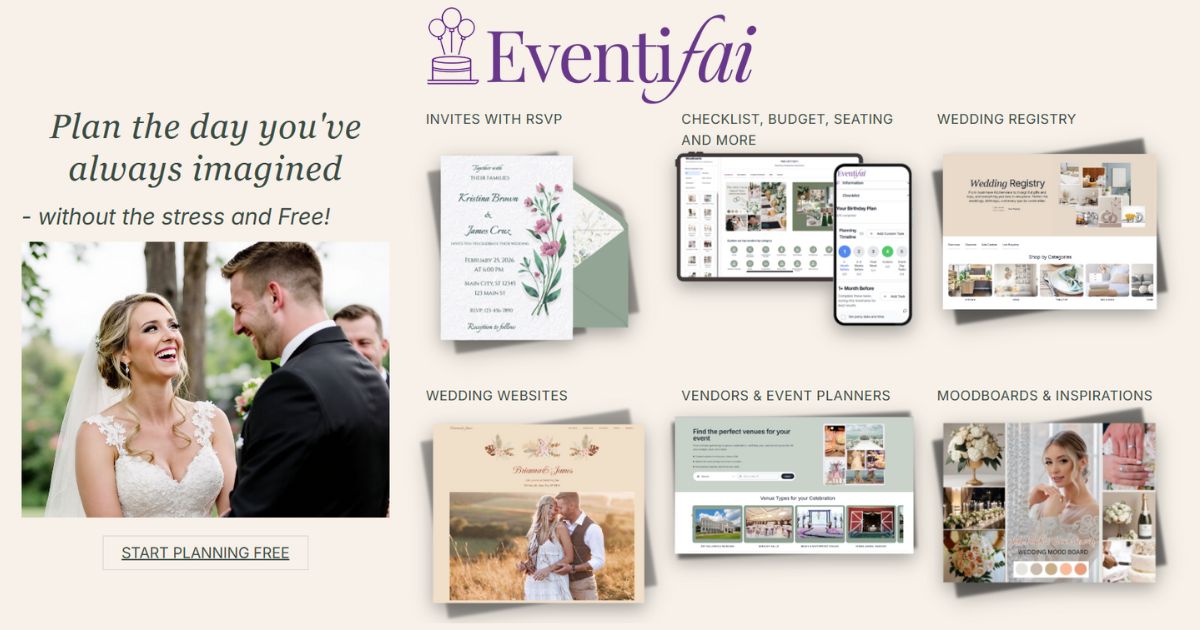
- Use Technology: Leveraging event planning apps like Eventifai can streamline organization and communication.
- Take Breaks When Needed: Step back occasionally to reconnect and recharge emotionally.
Conclusion
Wedding planning is a beautiful experience that involves careful decision-making and collaboration. By understanding the common arguments—budget, guest list, venue selection, wedding style, and family involvement—and implementing practical conflict resolution strategies, couples can navigate challenges more smoothly. Mutual respect, clear communication, and flexibility are key ingredients to ensure that planning your special day remains a joyful and memorable adventure.