Understanding the Ultimate Wedding Budget Breakdown
Planning a wedding can be both an exciting and overwhelming experience, especially when it comes to managing finances. Every couple wants their special day to be perfect without breaking the bank. That’s where a detailed wedding budget breakdown becomes invaluable. It helps couples allocate funds wisely across different categories, ensuring no aspect of the celebration is overlooked or overspent.
In this comprehensive planner’s category guide, we’ll walk you through the essential components of a wedding budget, providing practical insights and tips to help you plan effectively. Whether you’re just beginning to plan or are midway through the process, this guide will empower you to make informed decisions and enjoy your wedding day stress-free.
Why a Wedding Budget Breakdown Matters
Budgeting is the cornerstone of successful wedding planning. A clear financial plan protects you from unexpected expenses and helps prioritize what matters most to you and your partner. Having a detailed wedding budget breakdown enhances transparency and reduces stress by providing a clear spending framework and financial goals.
Additionally, a well-planned budget enables efficient vendor negotiations and can prevent last-minute compromises that could impact your wedding experience. Let’s explore the most common categories every wedding budget should cover.
Core Wedding Budget Categories
Breaking your wedding budget into categories allows you to track and manage expenses efficiently. Below are the fundamental categories that should be part of your ultimate wedding budget breakdown:
1. Venue and Accommodation
The venue typically accounts for one of the largest portions of the wedding budget. Consider costs including:
- Rental fees for the ceremony and reception locations
- On-site amenities and décor charges
- Accommodation for the couple and guests (if applicable)
- Parking and transportation
To optimize this category, choose venues that offer all-inclusive packages or allow flexibility for external vendors.
2. Catering and Beverages
Food and drink services are crucial for guest satisfaction and usually consume a significant chunk of the budget. Evaluate the following:
- Per-plate meal cost or buffet pricing
- Beverage packages, including alcohol and non-alcoholic options
- Staff service charges and gratuities
- Special dietary accommodations
Tip: Offering a limited bar or serving signature cocktails can help control beverage expenses.
3. Wedding Attire and Accessories
This category covers the outfits for the couple and the wedding party. Consider expenses for:
- The wedding dress and veil
- Groom’s suit or tuxedo
- Bridesmaids’ and groomsmen’s attire
- Alterations, shoes, jewelry, and other accessories
Planning early and renting some attire can be cost-effective options to consider.
4. Photography and Videography
Capturing memories is essential, so allocate funds for:
- Professional photographers and videographers
- Engagement session
- Albums, prints, and digital copies
Compare packages and ensure the style matches your vision to avoid added costs for extras later.
5. Entertainment and Music
Entertainment brings your wedding celebration to life. Budget for:
- DJs or live bands
- Sound equipment and lighting
- Special performances or emcees
Booking talent during the off-season or weekdays might reduce costs.
6. Flowers and Decorations
This category encompasses floral arrangements and aesthetic elements including:
- Bouquets and boutonnieres
- Centerpieces and aisle decorations
- Venue decoration and rentals like linens, chairs, and lighting
Seasonal flowers and DIY décor can be budget-friendly alternatives.
7. Invitations and Stationery
Expenses here include:
- Save-the-date cards
- Wedding invitations and RSVP cards
- Programs, menus, and place cards
- Postage fees
Digital invitations can significantly save costs and simplify RSVP tracking.
8. Transportation
Consider the logistics of getting to and from locations by budgeting for:
- Rental cars or limousines
- Shuttle services for guests
- Parking fees for vendors and guests
Coordinating group transportation can optimize cost and convenience.
9. Wedding Planner and Coordination
Hiring a professional wedding planner can streamline the entire process. Budget for:
- Full-service planner or day-of coordinator fees
- Consultations and meetings
- Vendor management
Consider this an investment to save time and reduce stress on your big day.
10. Miscellaneous and Contingency
Always allocate at least 5-10% of your budget for unexpected expenses such as:
- Last-minute vendor changes
- Additional décor or upgrade requests
- Tips and gratuities
- Emergency supplies or repairs
Sample Wedding Budget Allocation Percentages
While every wedding is unique, the following approximate percentage allocations can act as a guideline for distributing your wedding budget:
- Venue and Catering: 40-50%
- Photography and Videography: 10-15%
- Attire and Accessories: 8-10%
- Entertainment: 7-10%
- Flowers and Decorations: 8-10%
- Invitations and Stationery: 2-3%
- Transportation: 2-3%
- Wedding Planner: 5-10%
- Miscellaneous & Contingency: 5-10%
Adjust these percentages based on your priorities—for example, if photography is a top priority, consider reallocating funds from other categories.
Practical Tips to Optimize Your Wedding Budget
- Start Early: The sooner you start budgeting, the better you can anticipate costs and find deals.
- Track Expenses: Use wedding budgeting tools or spreadsheets to monitor every expense against your budget categories.
- Negotiate Vendors: Don’t hesitate to discuss your budget limits with vendors to find customized solutions.
- DIY Where Possible: Personal touches in décor or invitations can also save money and add uniqueness.
- Limit Guest Count: Reducing the guest list can significantly impact catering and venue costs.
- Consider Off-Peak Dates: Weddings held during non-peak seasons or on weekdays often come with lower vendor pricing.
- Combine Services: Choose vendors that offer bundled packages, for example, catering with in-house flowers or combined photography and videography.
How Eventifai Can Help You Plan Your Wedding Budget
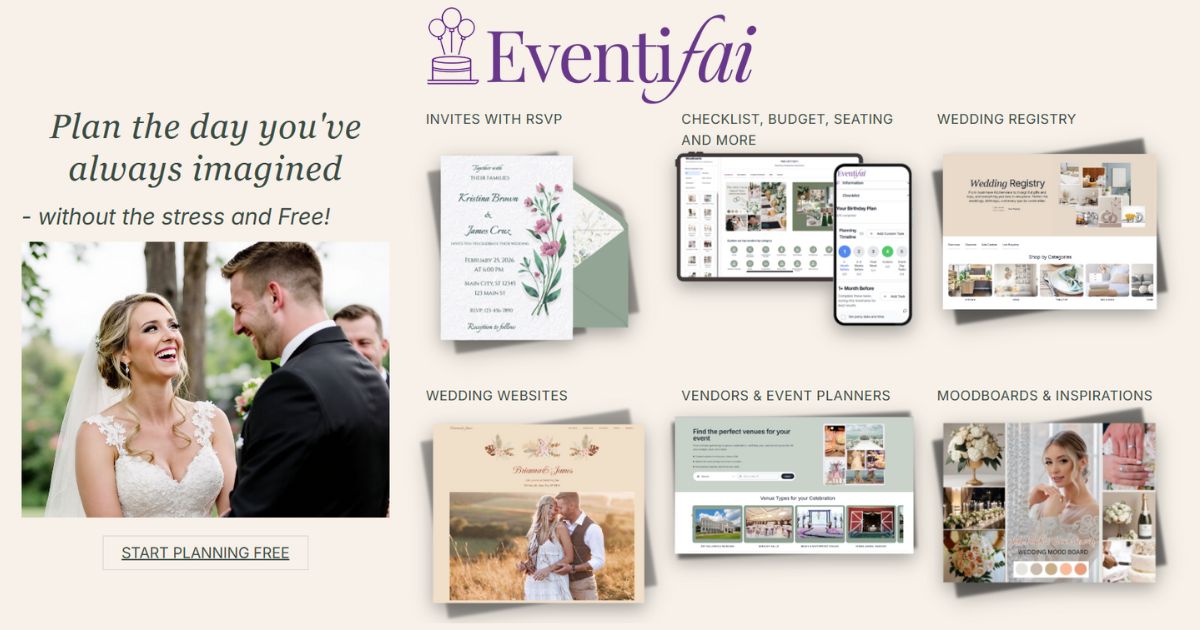
Eventifai provides an intuitive and comprehensive wedding planning platform designed to simplify your budgeting process. With features dedicated to expense tracking, category management, and vendor coordination, you can manage your entire wedding budget in one place. The platform’s user-friendly interface ensures you stay organized and on track with your budget breakdown, helping you avoid last-minute financial surprises.
Whether you’re DIY-ing your wedding or hiring a planner, leveraging Eventifai’s tools will empower you to create your dream wedding within your means.
Final Thoughts on Wedding Budget Planning
Creating the ultimate wedding budget breakdown is an essential step toward a successful and memorable wedding celebration. By understanding the major expense categories, allocating funds wisely, and tracking expenses carefully, couples can reduce stress and focus on enjoying their special day.
Remember that flexibility and prioritization are key—being open to adjusting your budget allocation as needed will allow you to maintain control and build a celebration that reflects your values and style.
With the right planning guide and tools like Eventifai, managing your wedding budget becomes a seamless part of your wedding journey.