Understanding the Phrase "Formal Invitation to Follow" in Wedding Planning
When planning a wedding, there are many traditional phrases and etiquette rules to navigate. One phrase that often confuses couples and their guests alike is "formal invitation to follow." You may have seen this phrase on save-the-date cards or early announcements, but what does it actually mean? In this guide, we'll break down the meaning of a formal invitation, when it is appropriate to use the phrase "formal invitation to follow," and why it matters for your wedding planning process.
What Does "Formal Invitation to Follow" Mean?
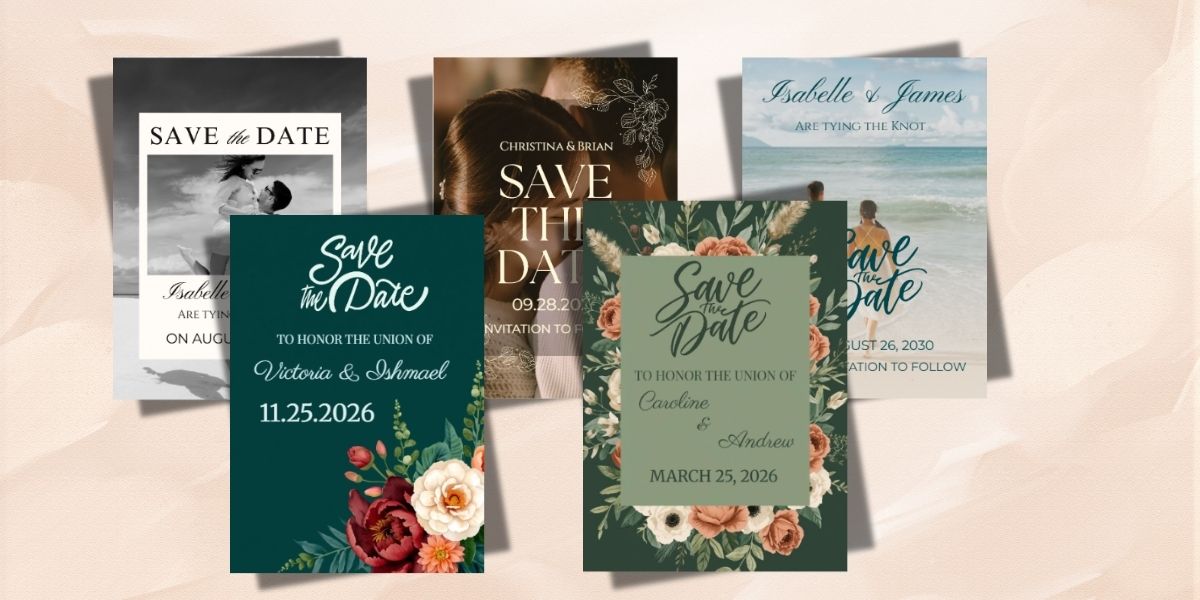
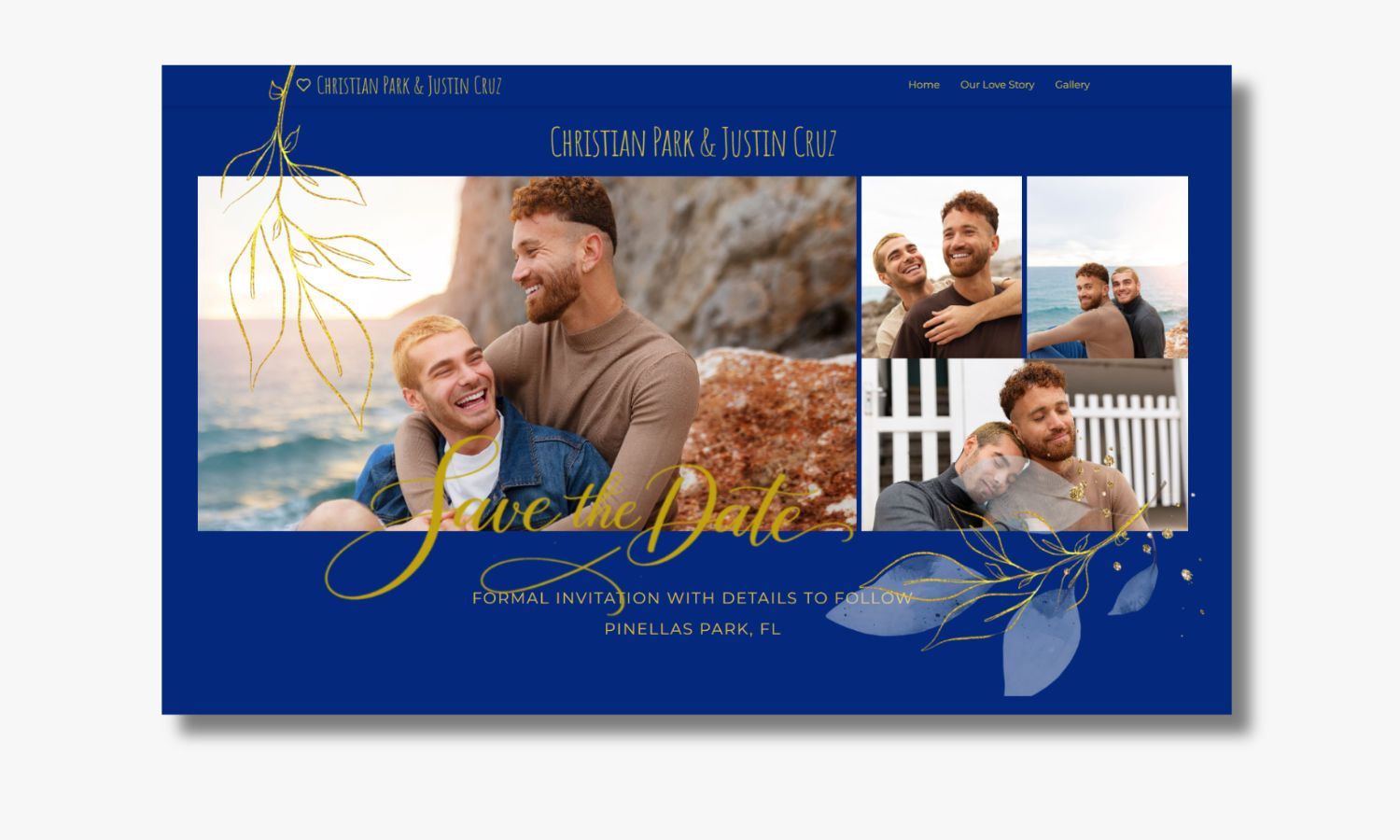
The phrase "formal invitation to follow" is typically used on save-the-date cards or initial wedding announcements. It lets your guests know that while the event date and general details are being shared now, the official wedding invitation—with all the specifics—will be sent out at a later date.
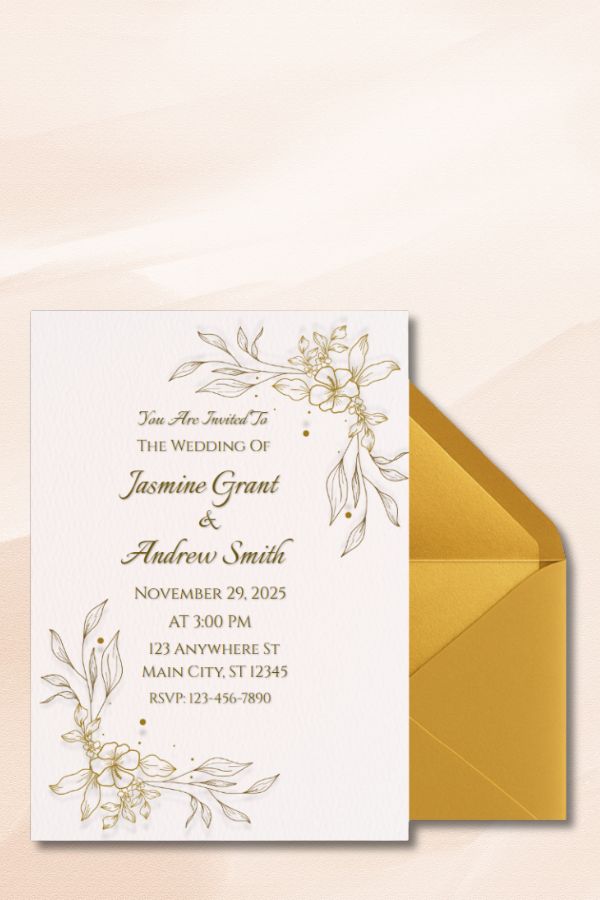
Essentially, a "formal invitation" refers to the traditional wedding invitation that includes the exact details of the event, such as:
- The date and time of the wedding ceremony
- The location or venue address
- Reception details (if applicable)
- Dress code or attire information
- RSVP instructions and deadlines
- Additional event information (bridal shower, rehearsal dinner)
By stating "formal invitation to follow," couples give their guests an early heads-up to save the date while holding off on sharing the final, formal invitation until all details are finalized.
When Should You Use "Formal Invitation to Follow" for Your Wedding?
Using the phrase "formal invitation to follow" is ideal in situations where you want to notify your guests of the wedding date but are not yet ready to send the official invitations. Here are some common scenarios that warrant this approach:
- Early Save-the-Dates: Save-the-date cards are typically sent 6-12 months before the wedding date. Since not all details are finalized at this stage, the phrase informs guests that more information is coming.
- Destination Weddings: When your wedding requires travel arrangements, guests appreciate early notice, even if you’re still finalizing venue or accommodation details.
- Complex or Multi-Day Events: If your celebration spans multiple days (welcome dinner, ceremony, reception), upfront communication lets guests plan accordingly.
- Delays in Finalizing Details: Sometimes, logistics like venue confirmation or vendor contracts take longer. A save-the-date with "formal invitation to follow" buys you extra time.
How Does the Formal Invitation Differ from Save-the-Date Cards?
It's important to understand the distinction between save-the-date cards and formal wedding invitations. Many couples make the mistake of confusing the two or using them interchangeably.
Save-the-Date Cards
- Sent well in advance (6-12 months before the wedding)
- Include only basic information: couple’s names, wedding date, and location
- Do not request RSVPs
- Often include the phrase "formal invitation to follow"
- Purpose: to give guests ample time to plan and mark calendars
Formal Wedding Invitations
- Sent approximately 6-8 weeks before the wedding date
- Include all essential details: date, time, venue, reception info, dress code
- Request RSVPs with a deadline
- Printed on formal stationery
- Convey the tone and style of the event
Understanding these differences can help you communicate clearly with your guests and avoid any confusion about your wedding details.
The Importance of Clear Wedding Communication
Wedding planning can be complex, and guests appreciate clear, timely communication. Using the phrase "formal invitation to follow" is one way to manage expectations. Here are some reasons why clear communication matters:
- Helps with Guest Planning: Early announcements allow guests to make travel arrangements, request time off, or book accommodations.
- Prevents Misinformation: Clarifies that additional details will be provided later so guests don’t assume the save-the-date is the only information to expect.
- Sets Proper Tone and Expectations: Early cards can build excitement, while the formal invitation provides the official and elegant announcement.
- Facilitates RSVPs: Ensures you receive accurate guest counts by setting the stage for official RSVP instructions later.
Best Practices for Using "Formal Invitation to Follow" in Wedding Invitations
To maximize the effectiveness of your wedding communication, consider the following tips when using the phrase "formal invitation to follow":
1. Use It Exclusively on Save-the-Date Cards or Initial Announcements
Avoid putting "formal invitation to follow" on the formal invitation itself, as this defeats its purpose. The phrase should only appear on early notices.
2. Keep Save-the-Dates Simple and Clear
Include your names, the wedding date, and location. Optionally, add a wedding website URL for guests to check updates. The phrase "formal invitation to follow" signals that more detailed information is coming.
3. Send Save-the-Dates at the Appropriate Time
Plan to mail save-the-date cards 6-12 months before the wedding date, depending on the size and location of your event.
4. Follow Up With Formal Invitations Timely
Send out the formal wedding invitations 6-8 weeks before the wedding, providing all pertinent details and clear RSVP instructions.
5. Maintain Consistent Design and Branding
Make sure save-the-dates and formal invitations align stylistically, reinforcing your wedding’s theme and tone while signaling the progression of details.
Common Questions About "Formal Invitation to Follow"
Is It Necessary to Send Both Save-the-Dates and Formal Invitations?
Save-the-dates are not mandatory, but they are highly recommended for weddings with guests who travel or for destination weddings. Formal invitations are essential as they provide all the crucial details guests need to attend your wedding successfully.
Can I Use "Formal Invitation to Follow" for Close Family Only?
The phrase is used universally on early announcements regardless of the recipient. However, it’s perfectly acceptable to personally inform close family and friends sooner or provide them with more detailed information ahead of formal invites.
What Should I Include in My Formal Wedding Invitation?
Your formal wedding invitation should include:
- The full names of the hosts (traditionally the bride's family)
- The names of the couple
- Date and time of ceremony
- Venue name and address
- Reception details (if separate)
- Dress code, if any (optional)
- RSVP instructions and deadline
- Additional mentions, such as wedding website or accommodation info
Conclusion
The phrase "formal invitation to follow" plays an important role in wedding communication. It provides clarity to your guests by letting them know that while the date and location are set, detailed, formal invitations with complete information will be sent later. Using this phrase appropriately in your save-the-date cards and early announcements helps streamline the wedding planning process and ensures your guests have the information they need when they need it most.
Prioritizing clear communication and timing in sending save-the-dates and formal invitations ultimately contributes to a smoother, more enjoyable wedding experience for both the couple and their guests.