Understanding the Importance of Save the Date Cards for Your Wedding
When planning a wedding, one of the first steps couples take is sending out Save the Date cards. These cards act as pre-invitations that alert your guests to reserve the date for your upcoming celebration. But what information is actually required on a Save the Date? Knowing what to include can help you provide your guests with all the essentials without overwhelming them with details better suited for the formal invitation.
Why Send a Save the Date?
Save the Dates serve several important functions in wedding planning:
- Give guests ample notice: This is particularly important for destination weddings or if many guests will be traveling from out of town.
- Help guests plan ahead: Guests can arrange their schedules and booking accommodations early.
- Generate excitement: A beautifully designed Save the Date sets the tone for your wedding celebration.
- Minimize last-minute RSVP issues: Early notice improves the chances of a timely guest response.
What Information is Essential on a Save the Date?
A Save the Date should provide just enough information to alert your guests about the wedding date and location. Unlike the formal invitation, it doesn’t require exhaustive details. Here’s what you need to include:
1. The Couple’s Names
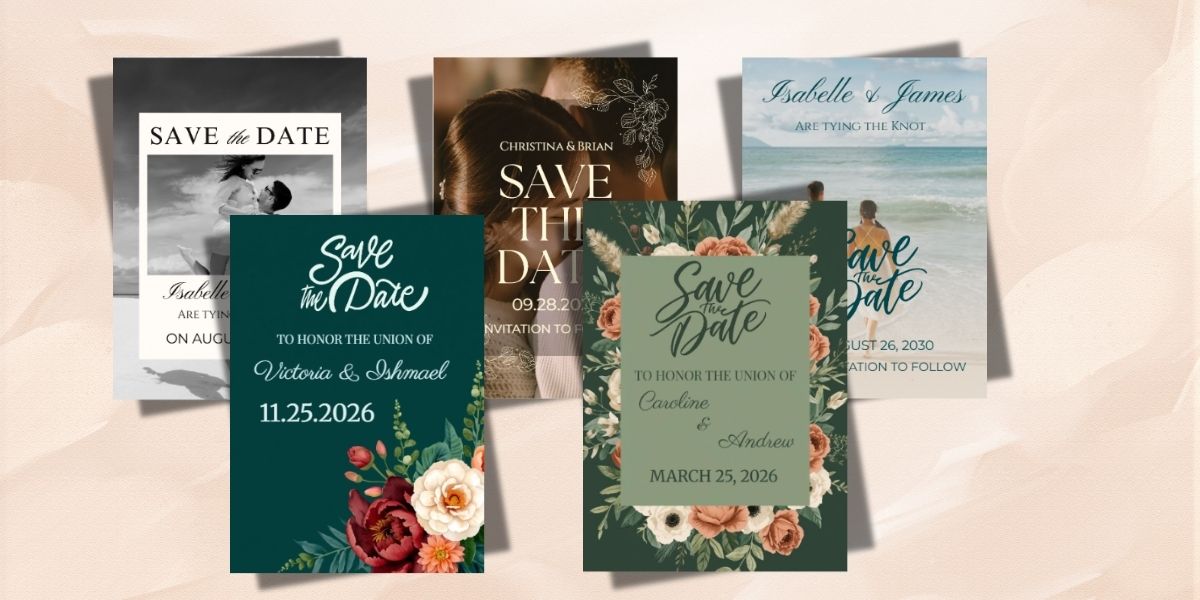
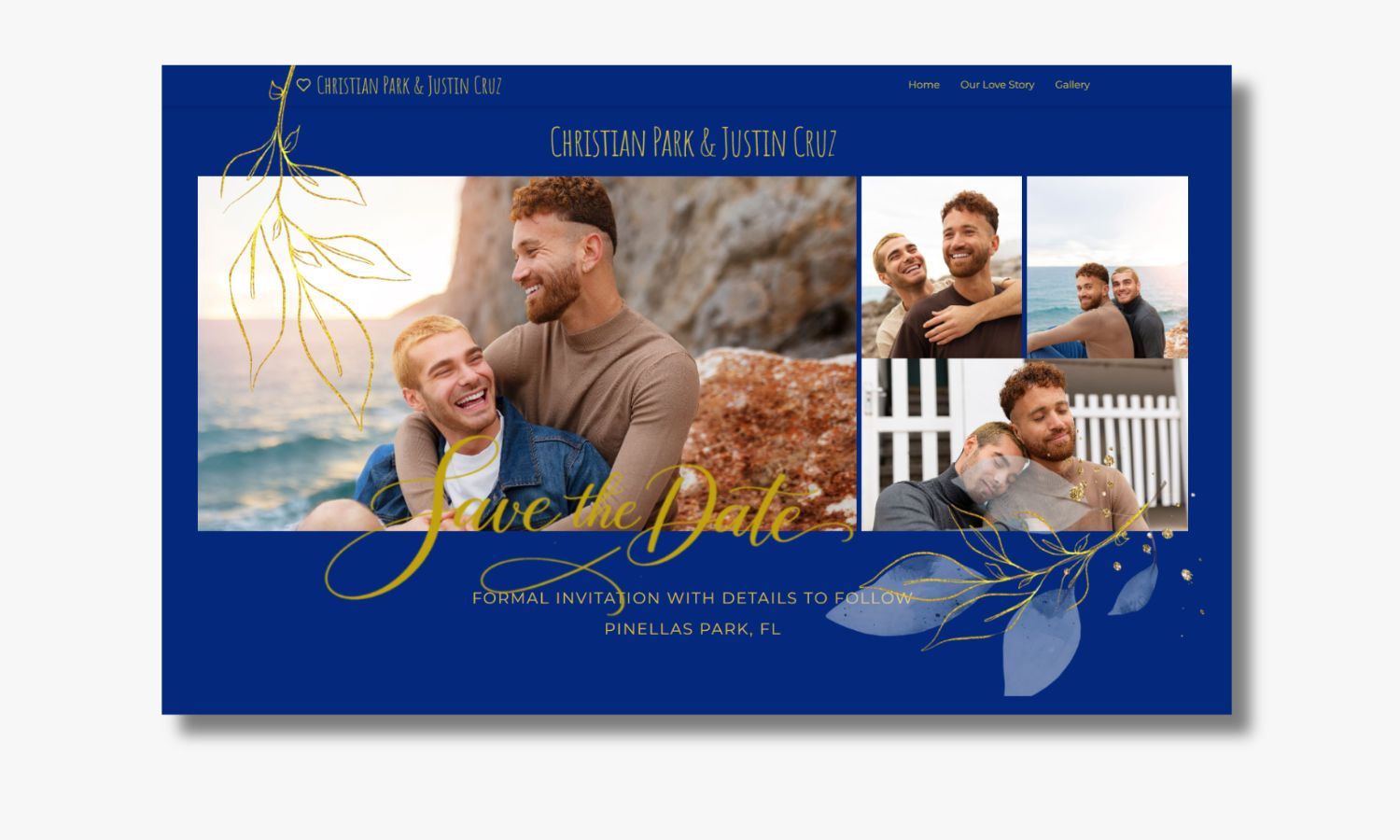
Start with the names of the engaged couple. You can include first names only, full names, or nicknames depending on the tone and formality of your wedding. Clearly displaying your names ensures guests immediately recognize whose celebration they’re saving the date for.
2. The Wedding Date
The single most important piece of information is the exact date of the wedding. Whether this is just the day, month, and year or includes the day of the week is up to you, but clarity is key. For example, “Saturday, October 14, 2023” is preferable to just “October 2023.”
3. Location (City and State/Town)
You don’t need to include the exact venue address on a Save the Date, but the general location is critical. Including the city and state (or town) helps guests plan travel and accommodations accordingly, especially for destination weddings.
4. A Note About Formal Invitation
It’s customary to add a small line to let your guests know that a formal invitation with additional details will follow. Phrases like “Invitation to follow” or “Formal invitation to come” work well and set the expectation for more information in the future.
Additional Information to Consider Including
While the basics listed above are essential, some couples opt to add a few extras that can be helpful, especially for weddings with unique circumstances.
1. Wedding Website URL
If you have a wedding website, include the URL on your Save the Date. This allows guests to find additional details such as registry information, accommodation options, travel tips, dress code, and schedules. Example text might be:
- “Details and RSVP at www.YourWeddingSite.com”
2. Accommodation Information
For destination weddings or weddings held in areas with limited lodging, mentioning a hotel room block can be helpful. You can provide a URL or a note directing guests to the wedding website for lodging details.
3. Special Instructions
Certain weddings might require extra notes, such as:
- “Adults only celebration”
- “Dress code: formal”
- “Please arrange transportation accordingly”
These instructions can be included on your Save the Date or reserved for the formal invitation or wedding website depending on their importance.
Information Typically Omitted from Save the Dates
To keep Save the Dates clear and uncluttered, some information is better left out and saved for the formal wedding invitation:
- Specific wedding venue name and address
- Exact ceremony and reception times
- Registry details
- RSVP instructions or deadlines (these belong on the formal invitation)
- Menu or dining options
Save the Date Design Tips to Highlight Important Information
The design of your Save the Date card should complement the information you provide, making it easy to read and visually appealing. Here are some design considerations:
- Font choice: Use clear fonts for essential information like names and date. Decorative fonts can be reserved for accents or headings.
- Color scheme: Choose colors that align with your wedding theme but maintain readability.
- Hierarchy: Emphasize the wedding date and couple’s names since they are the most critical pieces of information.
- Size: Ensure fonts are large enough to read comfortably, especially for older guests.
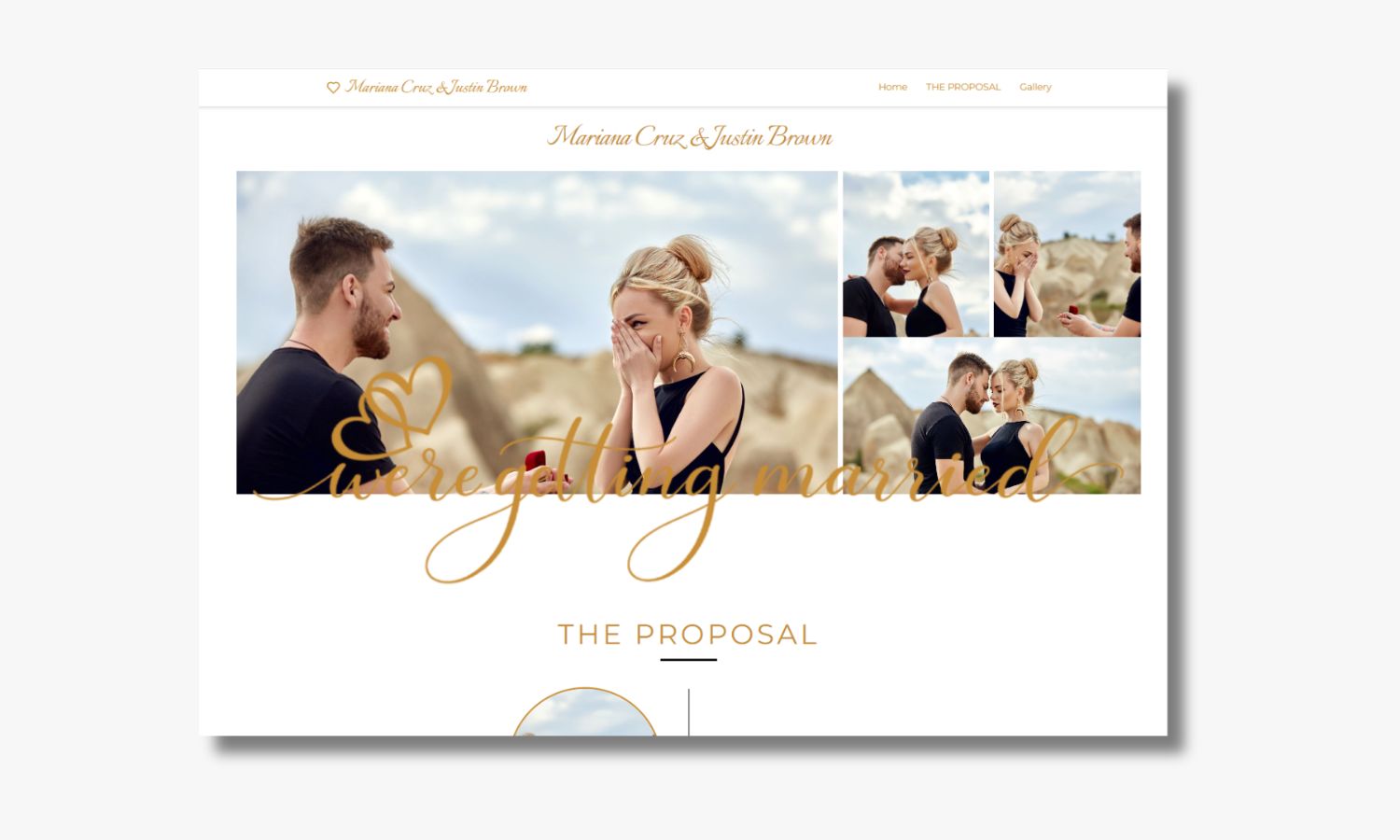
- Consistent branding: If you have a wedding website, consider matching your Save the Date design to the website’s look and feel for cohesive communication.
Timing for Sending Your Save the Dates
Timing is key to ensuring your guests have ample time to prepare for your wedding. The general rule of thumb for sending Save the Dates is:
- 6 to 8 months before the wedding date: Ideal for local weddings where guests may need to block the date in their calendars.
- 8 to 12 months ahead: Recommended for destination weddings or holidays when guests may need to book travel and accommodations well in advance.
Keep in mind that if your wedding date or venue is not yet finalized, it’s best to wait until those details are set to avoid confusion or the need for re-sending updated Save the Dates.
How to Send Save the Dates
Save the Dates can be sent in multiple formats depending on your preference and budget:
- Traditional mailed cards: Printed cards sent via postal service remain classic and tangible.
- Email or electronic Save the Dates: Digital formats can be convenient and eco-friendly, but not everyone checks email regularly, so consider your guest demographics.
- Text message or social media announcements: These methods may be suitable for small, informal weddings but are not typically recommended for formal occasions.
Benefits of Using Save the Dates in Wedding Planning
Including Save the Dates in your wedding timeline not only helps guests but also benefits you as a couple:
- Better headcount forecasting: Advance notice often means more accurate RSVPs later when formal invitations arrive.
- Reduced stress: Giving guests time to prepare decreases last-minute cancellations or conflicts.
- Easier vendor coordination: Once you have a clearer understanding of guest numbers, you can secure vendors confidently.
- Personalized communications: Early contact allows for establishing a connection with guests and sharing your story through your wedding website or social platforms.
Common Questions About Save the Dates
Can I Send Save the Dates without a Venue Confirmed?
It is best to have your wedding date and at least the general location confirmed before sending Save the Dates. Sending them without these details can cause confusion and require re-sending, which can be costly and inconvenient.
Should I Send Save the Dates to Everyone on the Guest List?
Generally, Save the Dates should only go to guests you plan to invite to the wedding, not to acquaintances or casual friends. For large or vague guest lists, it’s wise to finalize who will actually receive invitations before sending Save the Dates.
Do Save the Dates Need to Match Save the Date Invitations?
While not required, coordinating the design and tone of your Save the Dates with your wedding invitations helps create a cohesive look and feel for your wedding stationery.
Is It Necessary to Send Save the Dates for Small or Local Weddings?
For intimate or local weddings, you may choose to skip Save the Dates and move straight to formal invitations, especially if the wedding is within a few months of the announcement. However, if guests need to travel or if your wedding falls on a holiday or busy season, sending Save the Dates is still a considerate step.
Conclusion
Knowing exactly what information to include on your wedding Save the Date cards ensures your guests have the essential details they need while maintaining a clear and elegant communication. Remember to include the couple’s names, the wedding date, general location, and a note about the upcoming invitation. Optional details like a wedding website URL and accommodation info can also enhance guest planning.
When planned well, Save the Dates pave the way for smooth wedding preparations and happy guests ready to celebrate your special day.