Understanding the Importance of a Social Media Policy for Your Wedding
In today’s digital age, weddings are more than just ceremonies; they are events shared instantly across social media platforms. While sharing memories online is exciting, it can sometimes clash with the couple’s vision for their special day. This is where a social media policy for your wedding becomes essential. Setting clear boundaries with your guests not only protects your privacy but also ensures the day runs smoothly without unwanted disruptions.
What is a Social Media Policy for Your Wedding?
A social media policy is a set of guidelines designed to inform your wedding guests how you would like social media to be handled during your event. It outlines what is and isn’t acceptable when it comes to posting photos, videos, and live updates on platforms like Instagram, Facebook, TikTok, and Twitter. Crafting a policy helps manage expectations and can prevent issues such as spoilers, unflattering photos, and interruptions from phone use.
Why Do You Need a Social Media Policy for Your Wedding?
- Protect Privacy: Some couples prefer to keep their wedding details private and share moments personally after the event.
- Control the Narrative: By guiding posts, couples avoid inaccurate or sensitive information going viral.
- Encourage Presence: Limiting phone use encourages guests to be fully engaged in the moment.
- Preserve Professional Photos: Ensures professional photographers’ work isn’t overshadowed by casual guest photos online.
- Prevent Unwanted Sharing: Stops sensitive moments, such as emotional vows or surprises, from being shared prematurely.
Key Elements to Include in Your Wedding Social Media Policy
When creating your social media guidelines, consider these important components to cover all your bases:
1. Define What Can Be Shared
Clarify which parts of the day you are comfortable having posted online. For example, you may permit guests to share photos during the reception but not during the ceremony or special surprises.
2. Specify Platforms and Hashtags
Encourage the use of a unique wedding hashtag, which helps you collect all the memories in one place and can make browsing posts easier. Also, mention if certain platforms should be avoided.
3. Establish Timing Rules
Some couples request guests wait until after the ceremony or event to post photos and videos. This approach helps control spoilers and builds anticipation for shared moments.
4. Communicate Privacy Preferences
Tell your guests if you want the event to remain private and discourage any untagged or public posts that could spread beyond close friends and family.
5. Provide Phone-Free Zones or Times
Designate specific parts of the wedding as phone-free, such as during the vows or speeches, to encourage presence and attentiveness.
6. Discuss Professional Photography
Inform your guests that professional photographers are hired to capture important moments. Discourage the use of flash or interruptive photography during key times.
How to Effectively Communicate Your Social Media Policy to Wedding Guests
Setting rules is one thing, but ensuring your guests understand and respect your social media policy is crucial. Here are some effective ways to do so:
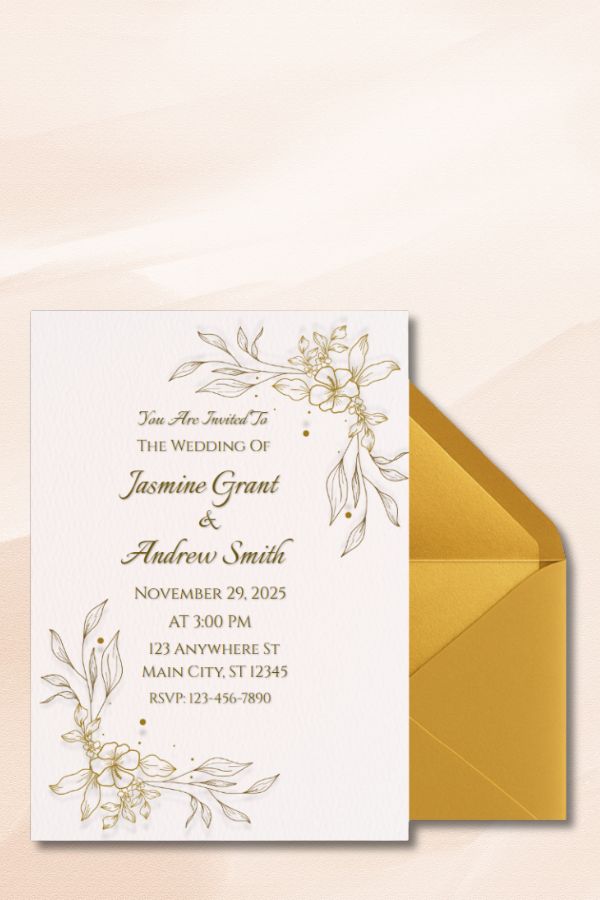
Include the Policy in Your Invitations
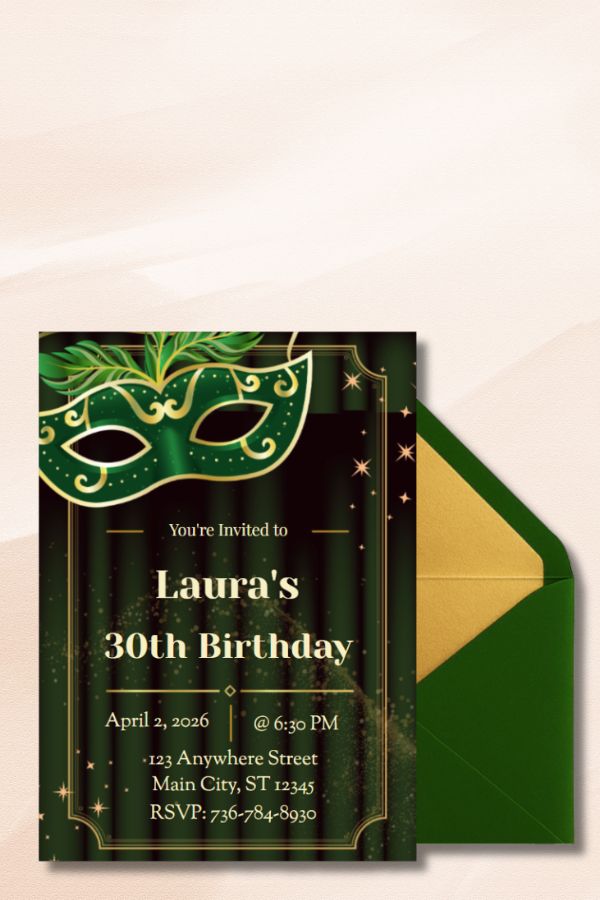
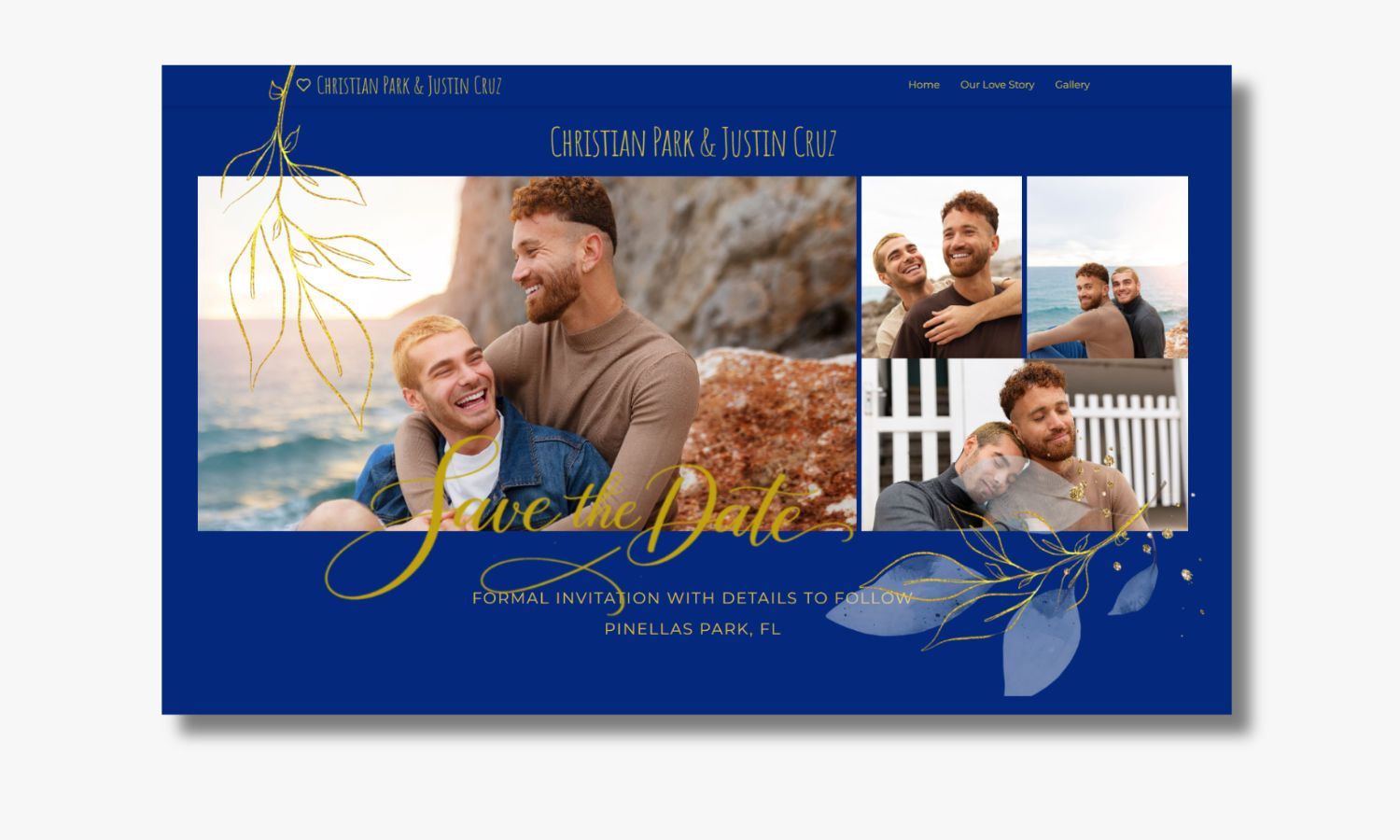
Add a brief note about your social media expectations on your save-the-date or wedding invitations. This early communication sets the tone before the event.
Use Wedding Websites
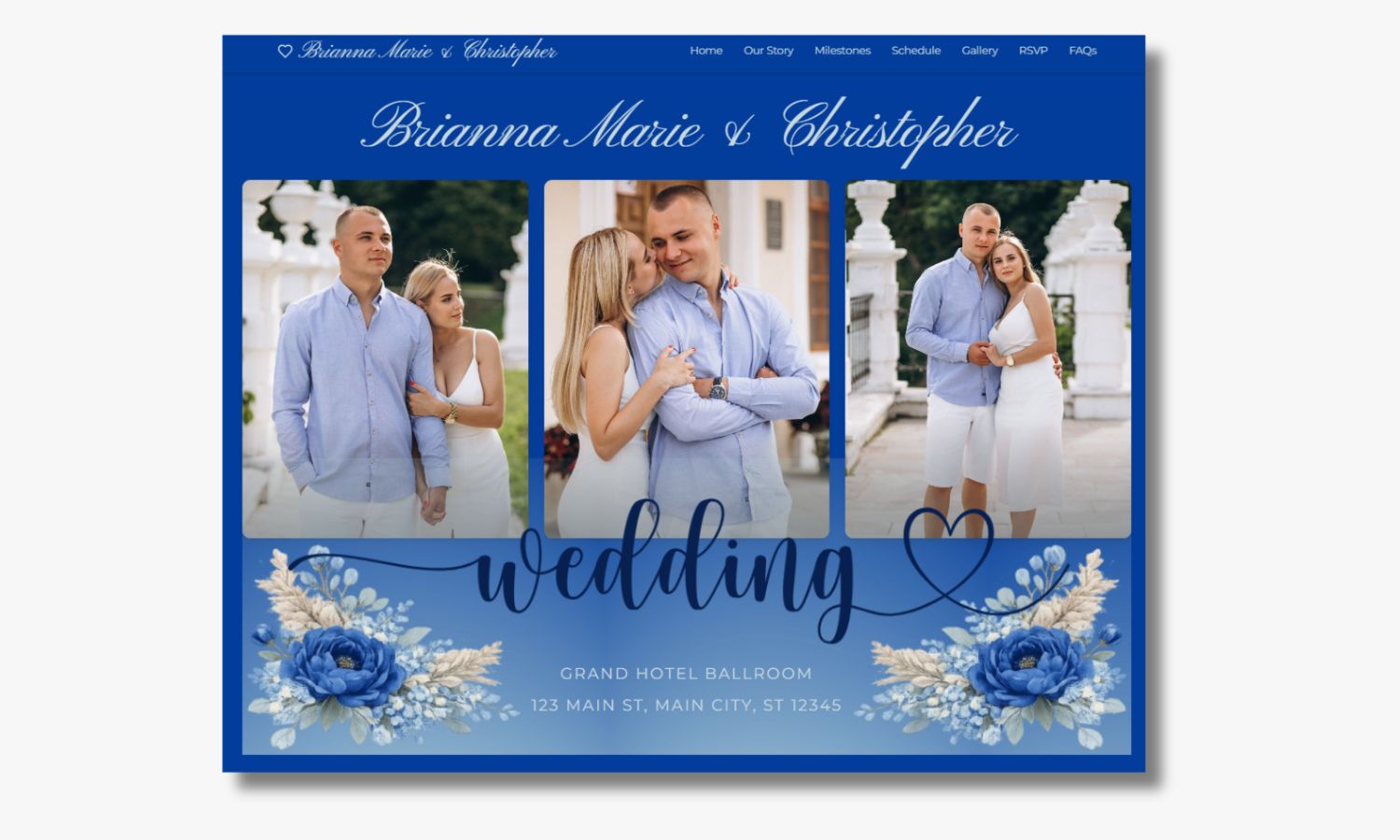
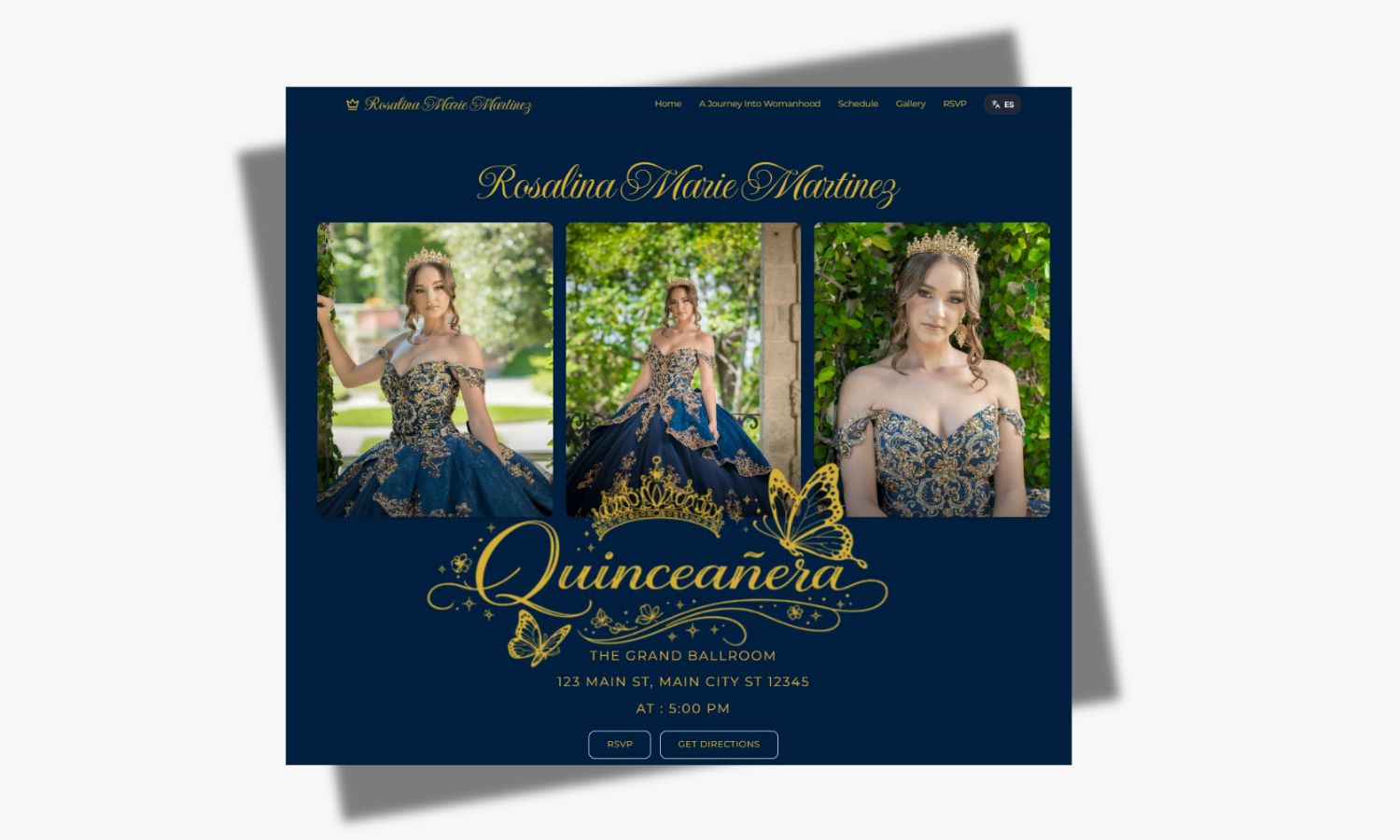
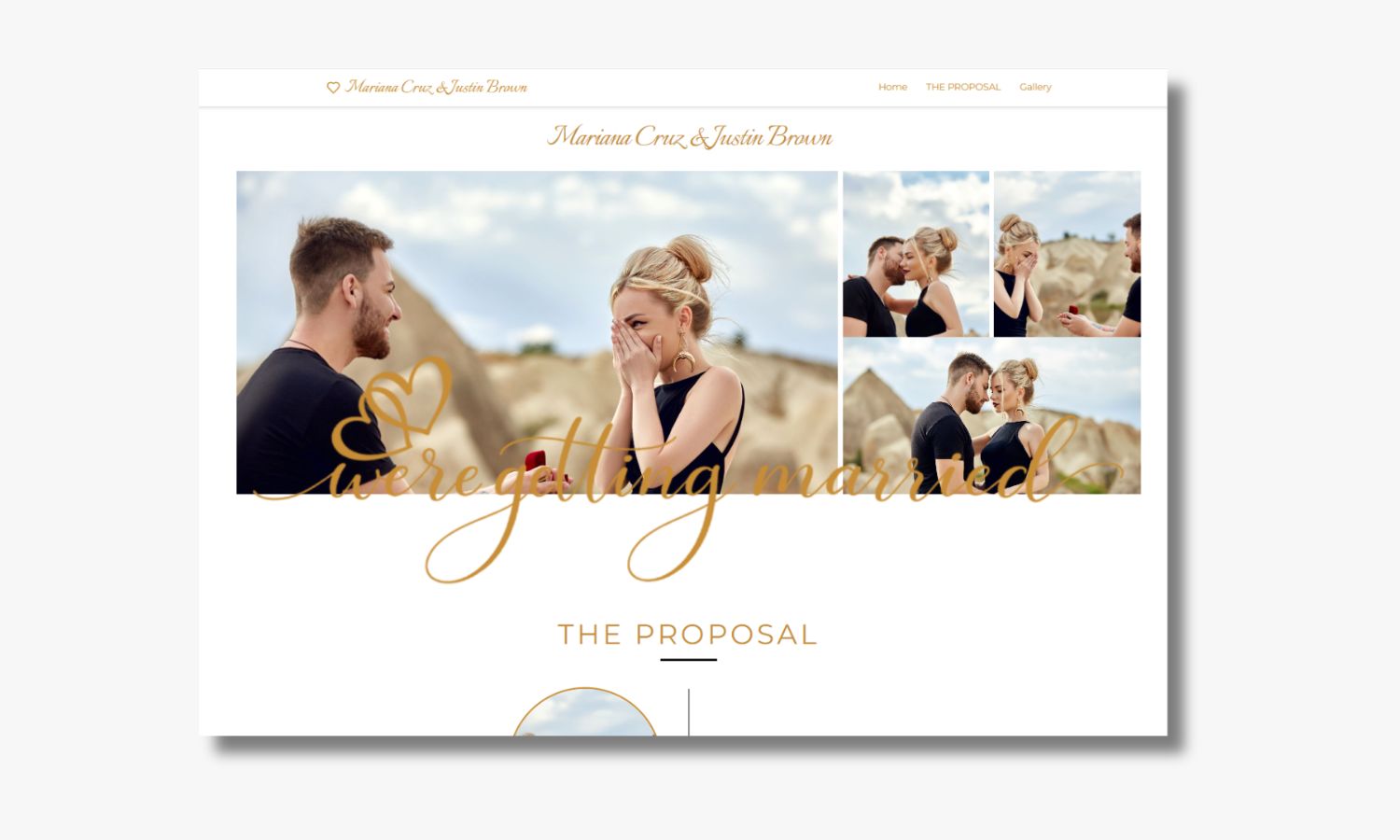
If you have a wedding website, dedicate a section to your social media guidelines. This allows guests to review the policy ahead of time and remember it as the day approaches.
Post Signage at the Venue
Place tasteful signs at important locations like the entrance or ceremony area reminding guests of the social media rules and encouraging them to be present.
Word of Mouth
Brief close family members and the wedding party about the policy so they can help reinforce the rules among guests in a friendly, conversational manner.
Make It Positive and Respectful
Frame your social media policy as a way to ensure everyone enjoys the day fully and creates beautiful memories, rather than as strict restrictions.
Examples of Wedding Social Media Policy Wording
Here are some sample phrases you can customize for your own wedding communications:
- “We kindly ask guests to refrain from posting photos during the ceremony. Please share your favorite moments using #OurWedding2024 after the celebration!”
- “To keep our special moments private, we request no live streaming or photo sharing on social media until after the reception.”
- “In respect of our professional photographers, please avoid using flash photography during the vows and speeches.”
- “Help us stay present by keeping phones away during the ceremony. Snap your photos during the cocktail hour and share them later!”
Common Concerns Couples Have About Social Media at Weddings
Understanding common worries helps you tailor your policy effectively. Some typical concerns include:
Over-Sharing and Spoilers
The fear that guests may reveal surprise elements or the wedding dress before the couple wants to share is common. A social media policy can protect these moments.
Privacy of Guests
Not all guests may wish to have their photos shared online publicly. By setting guidelines, you help respect their privacy preferences.
Distraction from the Experience
Many couples worry that guests glued to their phones will miss the emotional and personal aspects of the ceremony and reception. Encouraging phone-free times can help.
Quality Control
Professional photos often capture the event more beautifully and appropriately than spontaneous posts. A policy encourages guests to trust the photographer’s work first.
Balancing Tradition and Modern Sharing
Today’s couples want to celebrate in a way that respects both traditional wedding values and the modern tendency to share moments online. A social media policy bridges this gap by providing clear guidance without stifling fun.
For example, including a hashtag lets guests participate in sharing memories collectively while keeping the timing and content controlled. Phone-free moments emphasize togetherness, while still allowing sharing during less sensitive parts of the day.
Tips for Enforcing Your Wedding Social Media Policy
- Assign a Point Person: Designate someone—such as the wedding planner, a trusted friend, or family member—to gently remind guests about the policy when necessary.
- Use Signage Creatively: Employ elegant or humorous signs to make reminders feel lighthearted rather than strict.
- Lead by Example: The couple and wedding party should also follow the policy to set the tone.
- Thank Guests for Respecting Your Wishes: Positively reinforce compliance, encouraging guests to continue honoring your guidelines.
Conclusion
Implementing a social media policy for your wedding is a thoughtful way to protect your privacy, ensure your vision is honored, and help guests engage fully in your celebration. By setting clear, respectful boundaries, you can enjoy your day without distractions or disappointments while still embracing the excitement of sharing your love story in the digital world.