Understanding the Average Cost of a Wedding in 2026
Planning a wedding in 2026 comes with many exciting possibilities, but it also demands a clear understanding of the financial commitment involved. One of the first questions couples ask is, "What is the average cost of a wedding in 2026?" Knowing this helps in creating a realistic budget, managing expenses, and prioritizing key elements for the big day. In this comprehensive guide, we'll break down the average wedding costs in 2026, explore factors influencing pricing, and provide valuable insights to help couples navigate the wedding planning process confidently.
Current Wedding Cost Trends: What to Expect in 2026
The wedding industry has seen notable shifts over recent years due to economic changes, evolving trends, and consumer behavior. Inflation and demand for personalized weddings continue to influence average prices. In 2026, couples can expect the overall cost of a wedding to maintain an upward trend, though many are opting for more meaningful, experience-driven celebrations rather than purely extravagant events.
According to industry experts and market analysis, the average cost of a wedding in 2026 across the United States is estimated to fall between $30,000 and $40,000. This figure encompasses all major wedding expenses, including venue, catering, attire, entertainment, photography, and more.
Factors Influencing the Average Cost of Weddings in 2026
Several factors contribute to the fluctuating costs of weddings each year. Understanding these variables will help couples plan more effectively:
- Location: Urban areas and popular wedding destinations tend to have higher venue and vendor costs. Rural or less frequently booked locations may offer lower prices.
- Guest Count: The number of guests directly impacts food, seating, invitations, and favors. Generally, more guests mean higher expenses.
- Season and Date: Weddings held during peak seasons (spring and summer) or on weekends typically command a premium.
- Venue Choice: Exclusive or luxury venues come with higher rental fees, while community halls or parks are usually more budget-friendly.
- Customization and Extras: Unique entertainment options, customized decor, or gourmet menus add to the overall cost.
- Vendor Selection: Quality and reputation of photographers, caterers, and entertainers can vary significantly, influencing pricing.
Breaking Down the Average Wedding Cost in 2026
To help couples gain deeper insight, here is a detailed breakdown of typical costs associated with a wedding in 2026. These estimates are based on national averages but may vary depending on regional and personal preferences.
1. Venue and Catering
- Venue Rental: $5,000 - $10,000
- Catering (including food and beverages): $8,000 - $15,000
The venue and catering often represent the largest chunk of a wedding budget. Couples should consider whether the venue provides in-house catering or allows external vendors, which can affect total costs.
2. Wedding Attire
- Wedding Dress: $1,500 - $3,500
- Groom's Attire: $300 - $800
- Accessories and Alterations: $500 - $1,000
Wedding attire costs can vary widely depending on designer choices and customization. Renting attire or opting for less traditional clothing can reduce expenses.
3. Photography and Videography
- Photography: $2,500 - $5,000
- Videography: $2,000 - $4,000
Capturing precious moments is a key priority for many couples, leading to significant investment in professional photography and videography services.
4. Entertainment and Music
- Live Band or DJ: $1,000 - $3,000
- Additional Entertainment: $500 - $2,000
Whether couples prefer live music, DJs, or unique entertainment experiences, this segment is essential for keeping guests engaged and elevating the celebration.
5. Flowers and Decorations
- Floral Arrangements: $1,500 - $3,000
- Decor and Lighting: $1,000 - $2,500
Creative floral and decor designs contribute to the wedding atmosphere and aesthetic. Many couples choose to invest in signature styles to personalize their day.
6. Invitations and Stationery
- Save-the-Dates and Invitations: $300 - $800
- Programs and Thank You Cards: $200 - $500
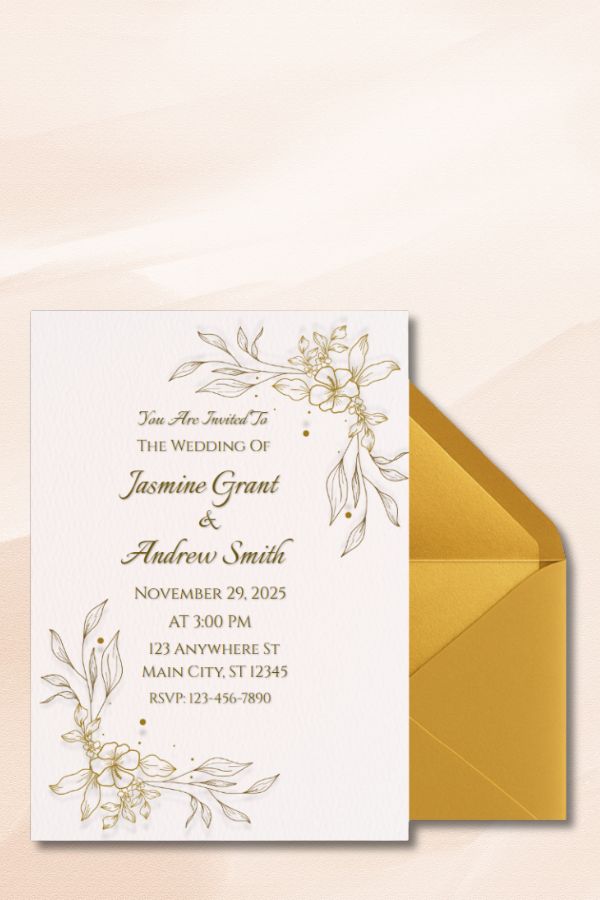
Though a smaller portion of the budget, thoughtfully designed stationery helps set the tone for the wedding and communicates essential details to guests.
7. Wedding Planner and Coordination
- Full-Service Planner: $3,000 - $7,000
- Partial or Day-Of Coordination: $1,000 - $3,000
Many couples find that hiring a professional wedding planner alleviates stress and ensures seamless execution, though this service does add to the budget.
8. Transportation
- Limousines or Classic Cars: $500 - $1,500
- Guest Shuttle Services: $300 - $1,200
Transportation logistics are crucial, especially for larger weddings involving different locations, and can influence how smoothly the day unfolds.
9. Miscellaneous Costs
- Wedding Rings: $1,000 - $3,000
- Cake: $500 - $1,200
- Favors and Gifts: $300 - $1,000
- Marriage License Fee: $50 - $150
Ways to Manage and Optimize Your Wedding Budget
Understanding the average cost of a wedding in 2026 is only part of the planning process. Couples should focus on budgeting smartly to make the most of their resources:
- Prioritize what matters most: Whether it’s photography, catering, or location, allocate a larger share of your budget to your top priorities.
- Consider off-peak dates: Choosing less popular months or weekdays can offer significant discounts.
- Limit the guest list: A smaller, more intimate wedding reduces costs on catering and seating.
- DIY Elements: For couples with creative skills, crafting invitations or decor can save money.
- Bundle services: Some venues provide packaged deals that include catering, decor, and coordination, often at a discount.
Regional Variations in Wedding Costs
Wedding costs can vary dramatically depending on geographic location. Here’s a brief overview of cost expectations across major U.S. regions:
- Northeast: Generally higher due to metropolitan areas; average cost ranges from $35,000 to $45,000.
- West Coast: Similar to the Northeast with prices often around $30,000 to $40,000; outdoor venues near the coast can increase costs.
- Midwest: Typically more affordable with averages between $20,000 and $30,000; offers great value for full-service weddings.
- South: The most budget-friendly, averaging $18,000 to $28,000, partly due to wider availability of venues and lower vendor prices.
How Technology Affects Wedding Planning and Costs in 2026
Innovations in wedding planning technology continue to impact budgets positively. Couples in 2026 can use digital tools and platforms to streamline the wedding process, reduce costs, and enhance creativity:
- Online wedding planners and budgeting apps: Allow for real-time cost tracking and vendor management.
- Virtual venue tours and vendor meetings: Save time and travel expenses when selecting key providers.
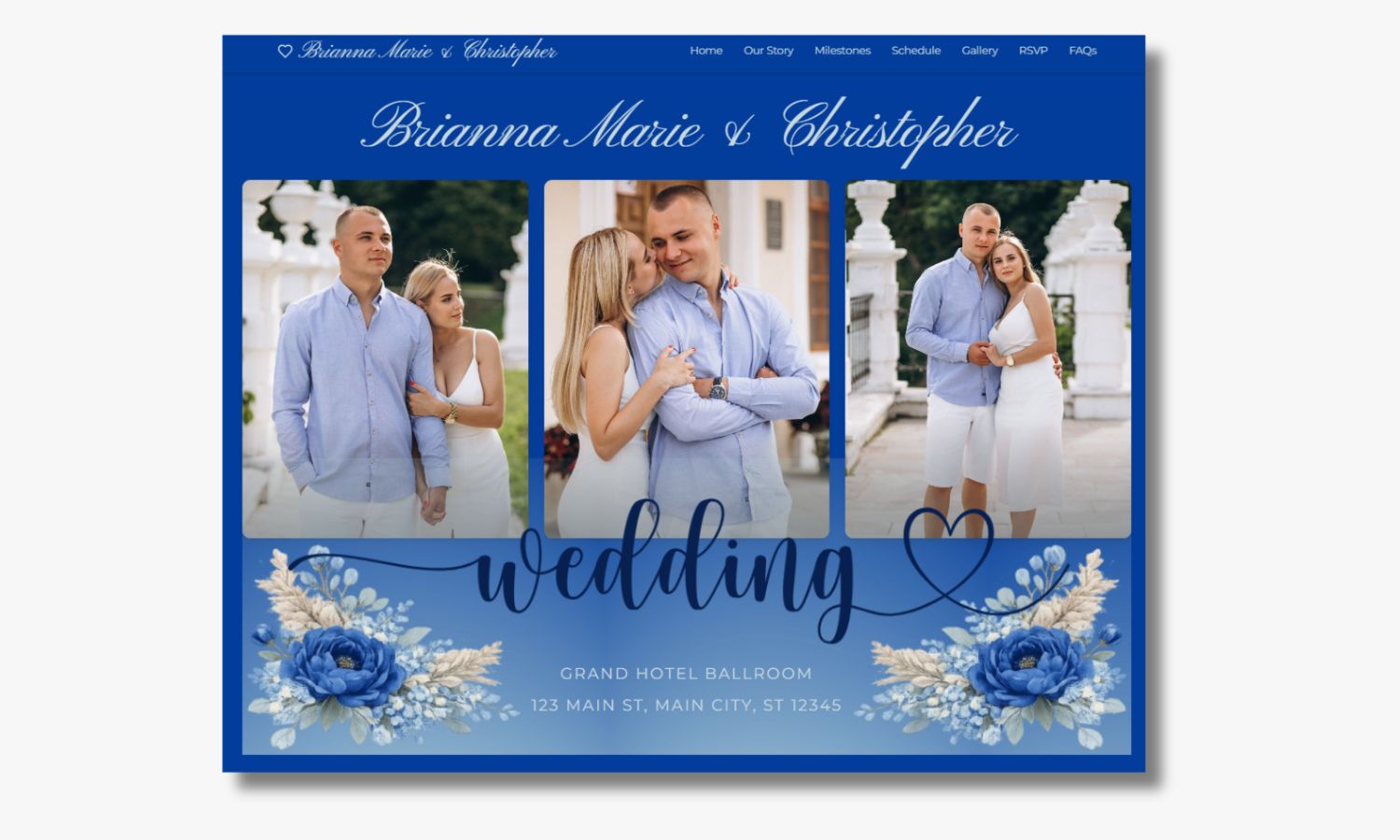
- Digital invitations and RSVPs: Cut down on printing and mailing costs and are more environmentally friendly.
- Live streaming: Enables couples to include guests who can’t attend in person, potentially shrinking the guest list and associated costs.
Conclusion
Determining the average cost of a wedding in 2026 involves considering many dynamic factors including location, guest count, and personal preferences. While the typical American wedding is forecasted to cost between $30,000 and $40,000, budgeting smartly based on individual priorities can help couples plan a memorable day within their means. By understanding the key expense categories and emerging trends in the wedding industry, couples are empowered to make informed decisions throughout the wedding planning journey.