Understanding the Importance of Save-the-Dates and Wedding Invitations
Planning a wedding involves numerous details, timelines, and decisions. Among these, sending out save-the-dates and wedding invitations at the right time is crucial for the success of your big day. These stationary pieces not only inform your guests but also set expectations about the event, helping ensure maximum attendance and a smooth planning process.
Knowing when to send save-the-dates and wedding invitations can feel overwhelming, especially for couples juggling various responsibilities. This guide will break down the best practices for timing, giving you a clear roadmap for an enjoyable wedding planning journey.
What Are Save-the-Dates and Why Are They Important?
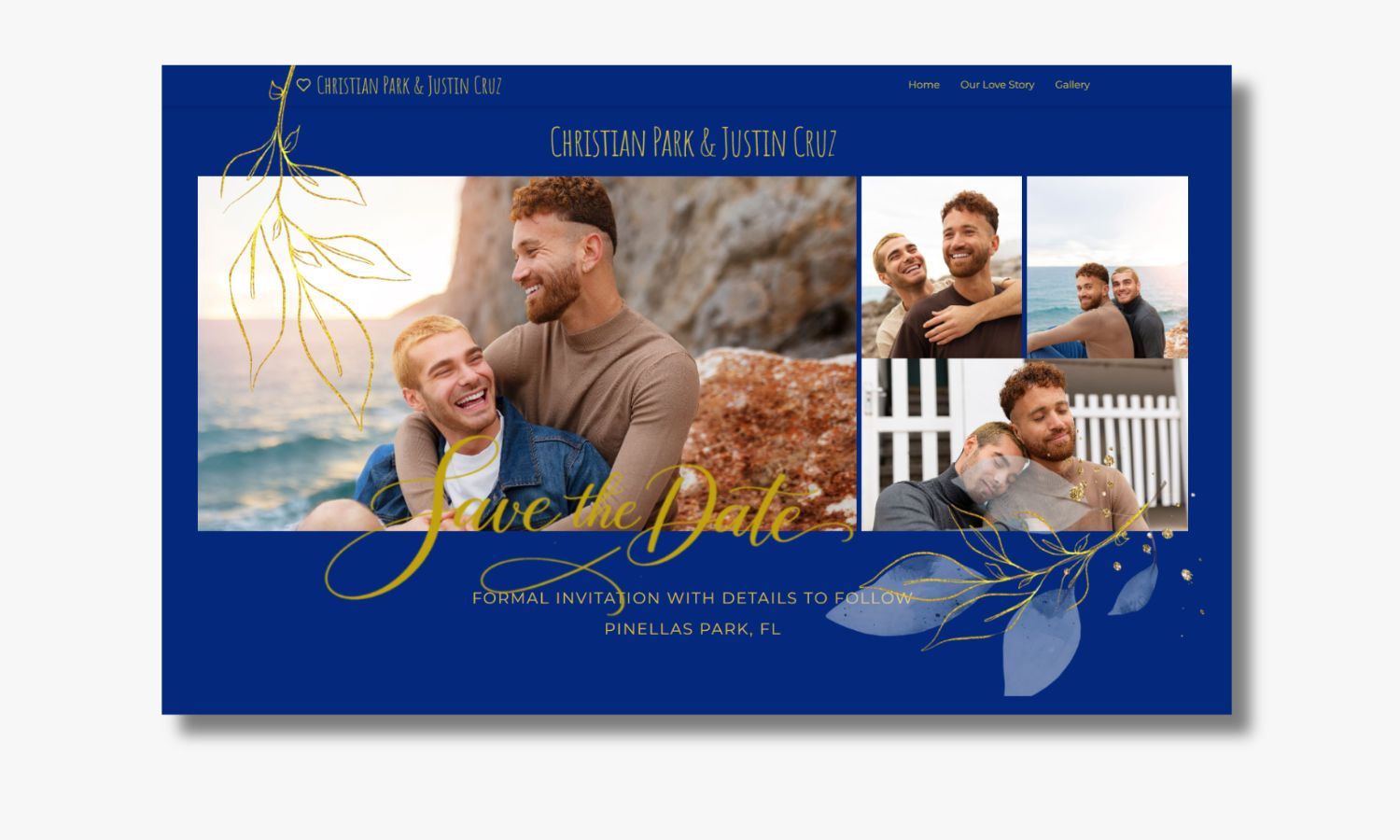
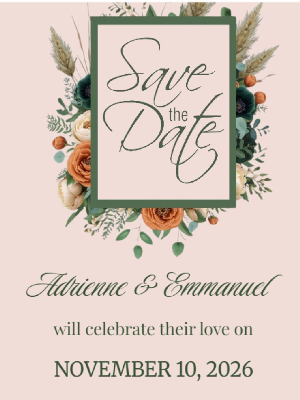
Save-the-dates are typically the first official notice your guests will receive about your wedding. They serve as an early announcement, allowing invitees to mark their calendars ahead of time — particularly important if your wedding falls on a holiday weekend or if many guests need to travel internationally.
- Purpose: Alert guests to reserve the wedding date well in advance.
- Format: Usually a card or digital announcement sent before the formal invitations.
- Content: Include key details such as the names of the couple, the wedding date, and the city or venue (if decided).
The advantage of sending save-the-dates is clear: they reduce the risk of scheduling conflicts and provide guests with ample notice to make travel arrangements or request time off work.
Optimal Timing for Sending Save-the-Dates
The general consensus among wedding experts is that save-the-dates should be sent out approximately 6 to 8 months before the wedding date. However, this can vary depending on a few key factors:
- Destination Weddings: For weddings requiring significant travel, sending save-the-dates 8 to 12 months in advance is recommended.
- Holiday or Peak Seasons: If your wedding is scheduled during a busy time such as summer or holidays, opt for sending these notices on the earlier end to secure guests’ availability.
- Guest List Finalization: Make sure your guest list is mostly settled before sending save-the-dates, as changes after this point can cause confusion or hurt feelings.
Early save-the-dates give your guests enough lead time to plan accordingly — making it easier for them to attend your special day.
What Information Should Be Included on Save-the-Dates?
Your save-the-date cards or emails don’t need to be overly detailed but should include the essentials:
- Couple’s names
- The wedding date
- City or venue location (at least the city if the exact venue isn’t confirmed)
- Notice that a formal invitation will follow
- Wedding website URL for more information (optional but increasingly common)
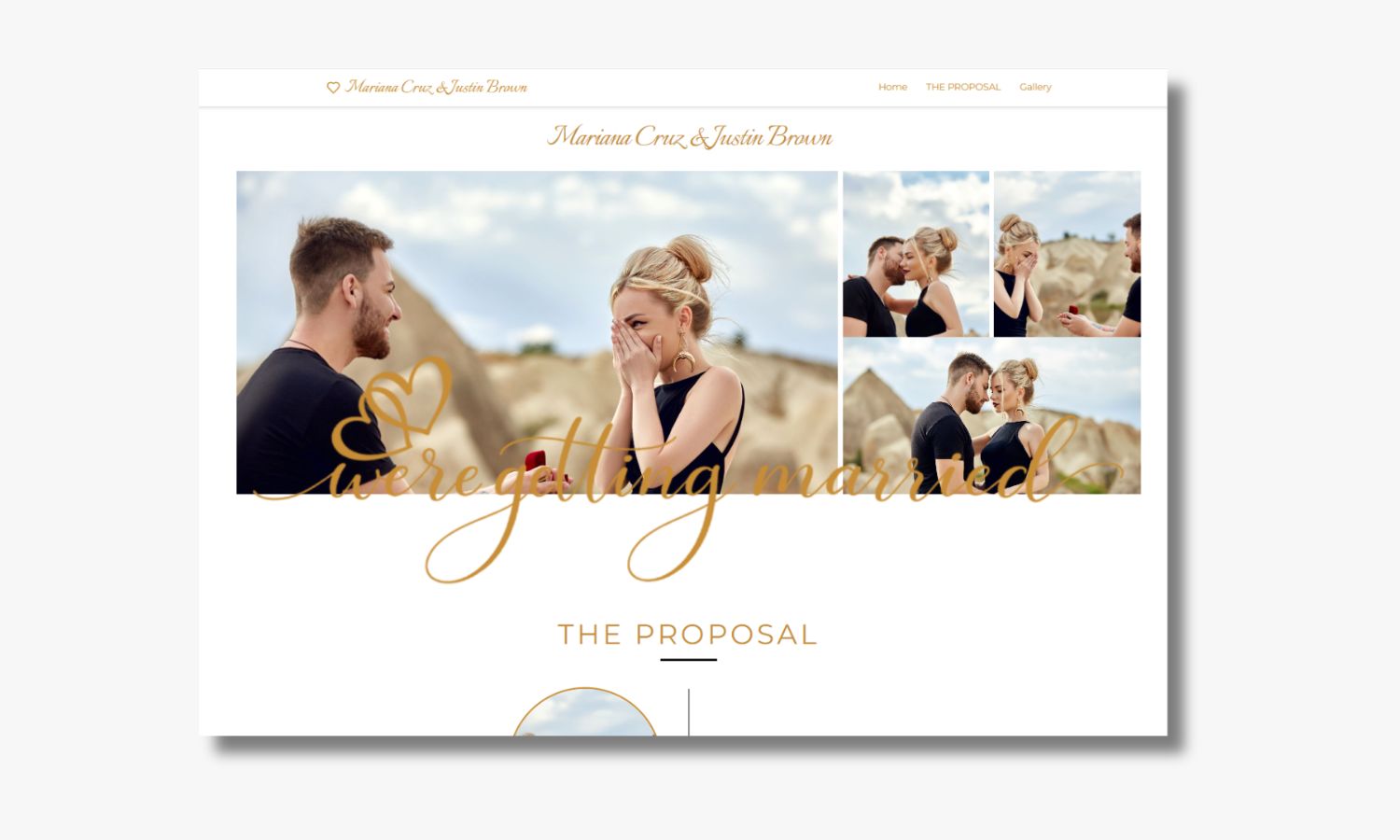
Keep the design simple and elegant to match your wedding's theme, setting the tone for your guests early on.
When to Send Wedding Invitations
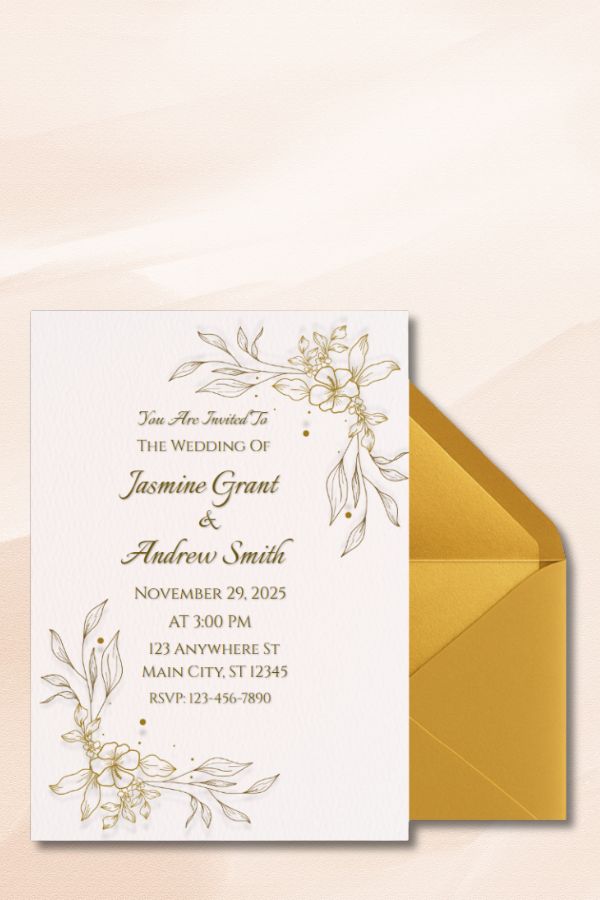
Wedding invitations are the formal announcements providing guests with all the necessary details about the event. These include date, time, venue, dress code, RSVP instructions, and registry information when relevant.
The best time to send wedding invitations is typically 6 to 8 weeks before the wedding date. This time frame provides guests enough notice to finalize travel plans and respond by the RSVP deadline.
- Local Weddings: Invitations sent 6 to 8 weeks out are appropriate.
- Destination Weddings: Consider sending invitations up to 12 weeks in advance, following the earlier save-the-dates.
- Holiday Season Weddings: Invitations may be sent 10 weeks before the event, especially if guests need to book accommodation.
Key Elements to Include on Your Wedding Invitations
Wedding invitations should contain all the important details guests need to attend and enjoy your event. Include the following:
- Couple’s full names
- Date and time of the ceremony
- Venue name and full address
- Reception details if different from the ceremony location
- RSVP instructions and deadline (usually 3-4 weeks before the wedding)
- Dress code, if applicable
- Wedding website link (optional)
- Registry information (optional or included on the website)
Additional Considerations for Wedding Invitations Timing
There are a few other factors worth considering to fine-tune your invitation timeline:
- Custom Stationery Lead Times: If you’re ordering custom invitations, allow yourself plenty of time for the design, printing, and mailing process—ideally 4-6 weeks.
- Guest Availability: Keep in mind important cultural or family events around the same time to avoid conflicts.
- Technology Use: For couples opting for digital invitations or RSVPs, timelines can be more flexible but still should allow 6 weeks minimum to accommodate all guests.
Managing RSVPs and Guest Responses
Sending invitations 6 to 8 weeks before the wedding also ensures that you get timely RSVPs, which are critical for final guest counts and catering planning. Setting an RSVP deadline 3 to 4 weeks before the wedding allows you to:
- Confirm headcounts with venues and caterers
- Finalize seating arrangements
- Make adjustments to schedules or orders if necessary
Make sure your RSVP instructions are clear and easy to follow, whether you are using a traditional reply card or an online response system.
Handling Save-the-Date and Invitation Delays
If unexpected delays occur in your save-the-date or invitation sending process, don’t panic. Here’s how you can handle common issues:
- Delayed Save-the-Dates: If your save-the-dates are sent late, consider following up with a phone call or personal message for important guests.
- Last-Minute Invitations: For guests invited late, use electronic invitations and follow up with phone calls to ensure they receive the information quickly.
- Changes to Date or Venue: Notify your guests as soon as possible via email, social media groups, or your wedding website.
Additional Tips for a Seamless Wedding Stationery Timeline
- Plan Ahead: Include save-the-dates as the first step in your wedding stationery timeline.
- Create a Calendar: Keep track of all mailing dates, RSVP deadlines, and follow-ups.
- Consult Vendors Early: Talk to your invitation designer or stationer about production times when ordering.
- Use a Wedding Website: Centralize information online for easy updates and guest reference.
- Be Clear and Concise: Ensure all written information is accurate and unambiguous to avoid confusion.
Conclusion
Sending save-the-dates and wedding invitations at the right times is a key component of wedding planning that can make a significant difference in guest attendance and overall event success. Generally, save-the-dates should go out about 6 to 8 months prior, especially earlier for destination weddings or busy seasons, while formal invitations are best sent around 6 to 8 weeks before the big day.
By understanding these timelines, including essential information, and preparing for potential delays, you set a strong foundation for your wedding celebration. Careful timing ensures your guests feel informed, valued, and excited to join you on one of the most memorable days of your life.