Understanding the Role of the Padrinos and Madrinas in a Quinceañera
The quinceañera is a cherished cultural tradition celebrated in many Latin American communities, marking a young girl's transition from childhood to womanhood upon turning 15. This special event is packed with symbolism, family customs, and heartfelt moments. Among the most important participants in the celebration are the padrinos and madrinas — godparents who play a vital role in both the planning and the ceremony itself.
In this comprehensive guide, we'll explore the distinct role of the padrinos and madrinas in a quinceañera, explain their duties, traditions, and how they contribute to making the event memorable. Whether you are planning a quinceañera or simply curious about its customs, understanding these key figures is essential.
Who Are the Padrinos and Madrinas?
In the context of a quinceañera, padrinos (godfathers) and madrinas (godmothers) are individuals who sponsor or support the young girl celebrating her 15th birthday. They are typically trusted family members or close friends selected by the quinceañera's parents and sometimes by the birthday girl herself.
The role of padrinos and madrinas goes beyond just attending the event. They offer emotional, financial, and moral support during the preparation of the fiesta, and during the ceremony, they symbolize guidance and mentorship as the quinceañera steps into adulthood.
The Historical and Cultural Significance
The tradition of padrinos and madrinas originated from religious and cultural practices where godparents would take on spiritual guidance roles for a child's upbringing. In a quinceañera, this symbolism is preserved but expanded to incorporate social responsibility and community support.
The padrinos and madrinas act as a support system, reinforcing family values and imparting wisdom to the quinceañera, reflecting a deeper connection between generations.
Key Responsibilities of Padrinos and Madrinas in a Quinceañera
While the specific duties can vary depending on family customs and regional differences, the padrinos and madrinas generally fulfill the following responsibilities:
- Financial Sponsorship: Often, padrinos and madrinas contribute financially to various parts of the quinceañera celebration, such as the dress, the reception, decorations, or religious gifts.
- Gift-Giving: They present symbolic gifts during the ceremony, which may include a bible, cross, rosary, jewelry, or other meaningful items.
- Mentoring and Emotional Support: Serving as role models, they provide guidance and advice to the quinceañera as she transitions into young adulthood.
- Participating in the Ceremony: Padrinos and madrinas take part in different ritual elements during both the religious and social components of the quinceañera.
- Helping with Planning: Many padrinos and madrinas assist the family with planning logistics, managing vendors, or hosting pre-events such as the ceremony rehearsal or reception.
Financial Contributions
Financial sponsorship by padrinos and madrinas is one of the most crucial roles in the quinceañera planning process. These contributions often help to cover:
- Wedding-style gown or dress
- Religious ceremony expenses
- Reception venue and catering costs
- Decorations and entertainment
- Commemorative favors and souvenirs
It is common for different padrinos and madrinas to “sponsor” specific elements of the celebration, thereby sharing the financial responsibility.
Gifts and Symbolism
On the day of the quinceañera, padrinos and madrinas present gifts with special significance. These gifts are steeped in tradition and compose a ritual that highlights the quinceañera’s journey growing into a responsible adult. Common gifts include:
- A Bible or Prayer Book: Symbolizes spiritual guidance.
- Rosary or Cross: A reminder of faith and devotion.
- Tiara: Signifies the quinceañera as a princess or young lady.
- Jewelry (Earrings or Necklace): Represents the transition into womanhood.
- Medal or Locket: Keepsake carrying sentimental value.
Each gift often has an explanation shared during the ceremony, emphasizing its meaning to the quinceañera's life and growth.
Participating in the Service and Ceremony
The role of padrinos and madrinas extends into the religious and social ceremonies that form the heart of a quinceañera. Their involvement typically includes:
- Walking the Quinceañera: At times, madrinas and padrinos escort the birthday girl during the procession into the church or reception.
- Presenting Gifts During Mass: They may be invited to bring their gifts to the altar as part of the church service.
- Assisting in Rituals: Such as placing the tiara or changing the shoes, symbolizing the change from girl to young woman.
- Addressing the Quinceañera: Delivering short speeches or blessings to inspire and encourage the young woman.
Such roles deepen the emotional connection between the padrinos, madrinas, and the quinceañera and highlight their ongoing commitment.
Understanding the Shoeing Ceremony
One especially meaningful tradition involving madrinas during the celebration is the shoe ceremony. The madrina may help the quinceañera change from flat shoes into high heels, symbolizing her transition into adulthood.
This heartfelt moment is often accompanied by a brief speech underscoring responsibility, maturity, and family pride. It is a memorable portion of the quinceañera highlighting the madrina's mentoring role.
Choosing the Padrinos and Madrinas: What You Need to Know
Selecting the right padrinos and madrinas is a significant decision impacting the entire quinceañera experience. Here are some key points to consider:
- Relationships Matter: Choose individuals who share a close, respectful bond with the quinceañera and her family.
- Reliability and Support: Padrinos and madrinas should be willing and able to contribute time, effort, and resources needed for the event.
- Shared Values: Since these roles include spiritual guidance and mentorship, be sure padrinos align with the family's cultural and religious beliefs.
- Number of Godparents: This varies by family, but it is common to have multiple padrinos and madrinas, each sponsoring specific parts of the celebration.
Formal Invitation and Etiquette
Once selected, the padrinos and madrinas are formally invited to participate. This can occur through:
- Personal conversations or family gatherings
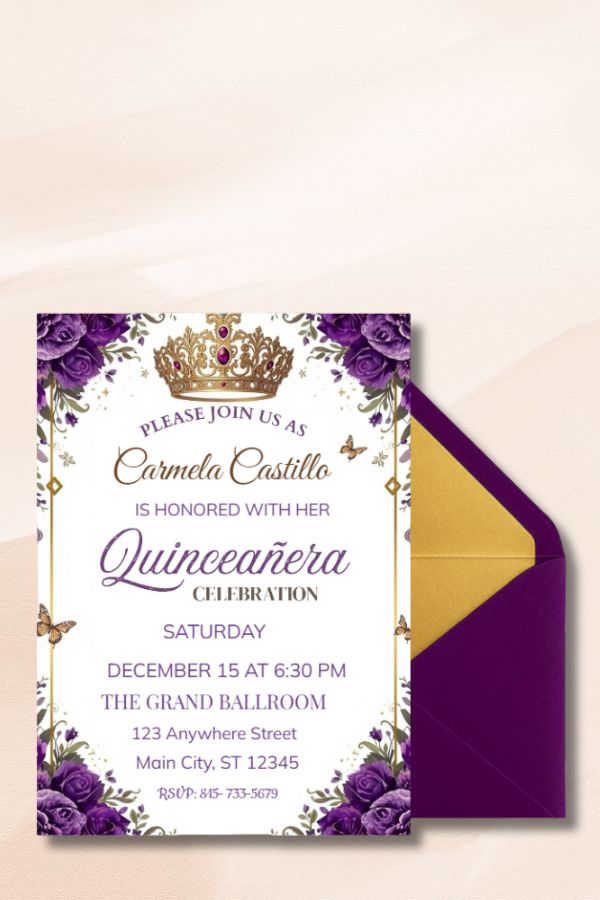
- Invitation cards or special announcements
- Presentation of an emblematic gift or token to symbolize their role
Bestowing the title of padrino or madrina is a mark of honor and trust, so etiquette and respect play a big part in how these roles are communicated and accepted.
The Impact of Padrinos and Madrinas on Quinceañera Planning
Beyond their ceremonial duties, padrinos and madrinas often act as key collaborators in the overall planning of the quinceañera. Their impact includes:
- Event Sponsorship: Sharing costs reduces the financial strain on the immediate family.
- Logistical Support: Helping coordinate vendors, managing timelines, and organizing rehearsal sessions.
- Emotional Encouragement: Offering advice and reassurance to the quinceañera during the often stressful preparation phase.
- Bridging Generations: Connecting older and younger family members by reinforcing cultural values and traditions.
The support from padrinos and madrinas can significantly ease planning challenges and enrich the overall quality of the event.
Creating Lasting Memories
Because padrinos and madrinas are so closely involved, they help create lasting memories for the quinceañera and her family. Their presence and contributions often make the event feel more intimate, loving, and meaningful — elements that are central to the quinceañera’s significance.
Conclusion: The Essential Role of Padrinos and Madrinas in a Quinceañera
The roles of padrinos and madrinas in a quinceañera are steeped in tradition, responsibility, and love. These godparents do much more than simply attend a party; they support the celebration financially, participate in sacred rituals, mentor the quinceañera through an important life transition, and contribute to the event's success both socially and logistically.
Understanding the value and duties of padrinos and madrinas offers valuable insights into the cultural richness and familial depth of quinceañera celebrations. By honoring these roles, families continue to preserve an important tradition that celebrates growth, faith, and community.