Understanding the Importance of RSVPs for Your Wedding
When planning a wedding, one of the most stressful aspects can be managing the guest list and ensuring everyone who is invited responds in a timely manner. RSVPs are essential for confirming attendance, finalizing your headcount, and making crucial decisions about seating arrangements, catering, and venue setup. However, it’s common to encounter situations where wedding guests don’t RSVP, which can throw off your entire planning process.
If you find yourself wondering, “What to do if wedding guests don’t RSVP?” this guide will provide a stress-free action plan to handle the situation effectively. From sending polite reminders to leveraging technology, discover practical tips to get the responses you need without unnecessary stress.
Why Guests Might Not RSVP to Your Wedding
Before diving into solutions, it's helpful to understand why some guests might not RSVP. Recognizing these reasons can help you approach the problem with empathy and improve your communication strategy moving forward.
- Forgetfulness: Guests may simply forget to respond amid their busy schedules.
- Confusion: RSVP instructions might have been unclear or overlooked.
- Uncertainty: Some guests may be unsure if they truly can attend due to personal or financial concerns.
- Procrastination: Delaying the RSVP decision because of indecisiveness or waiting to check other plans.
- Technical Issues: Invitations with RSVP links or cards may have been lost or never received.
Step-by-Step Action Plan for Guests Who Don’t RSVP
Managing unresponsive guests requires a systematic approach that is both polite and effective. Here’s a step-by-step action plan to handle missing wedding RSVPs without the stress.
1. Review Your RSVP Deadline
First, check if you have allowed adequate time for guests to reply. Generally, the RSVP deadline is set 3-4 weeks before the wedding date to give vendors enough lead time.
If your deadline hasn’t passed, give guests some grace period before sending reminders. Deadlines help encourage timely responses but should be communicated clearly to set the right expectations.
2. Send a Polite RSVP Reminder
The most straightforward tactic is to send a gentle reminder. This can be done via email, text message, or a phone call—depending on your preferred communication style and relationship with the guest.
- Email or Text: A friendly message such as, “Hi [Name], we’re finalizing plans and noticed we haven’t received your RSVP yet. Please let us know if you’ll be attending by [new deadline]. Looking forward to celebrating with you!” is effective and non-intrusive.
- Phone Call: For close family and friends, a personal call can be more impactful and show how much you value their presence.
3. Double-Check Invitation Delivery
If multiple guests haven’t RSVP’d, it’s worth confirming that your invitations (with RSVPs) were received. Sometimes postal issues, lost emails, or incorrect contact information can cause guests to miss the invite altogether.
Re-sending the RSVP request or sharing digital RSVP options could resolve this before follow-ups become cumbersome.
4. Provide Multiple RSVP Options
Make it as easy as possible for guests to respond. Offering multiple convenient RSVP channels reduces excuses for delays or non-responses.
- Traditional RSVP cards with prepaid envelopes
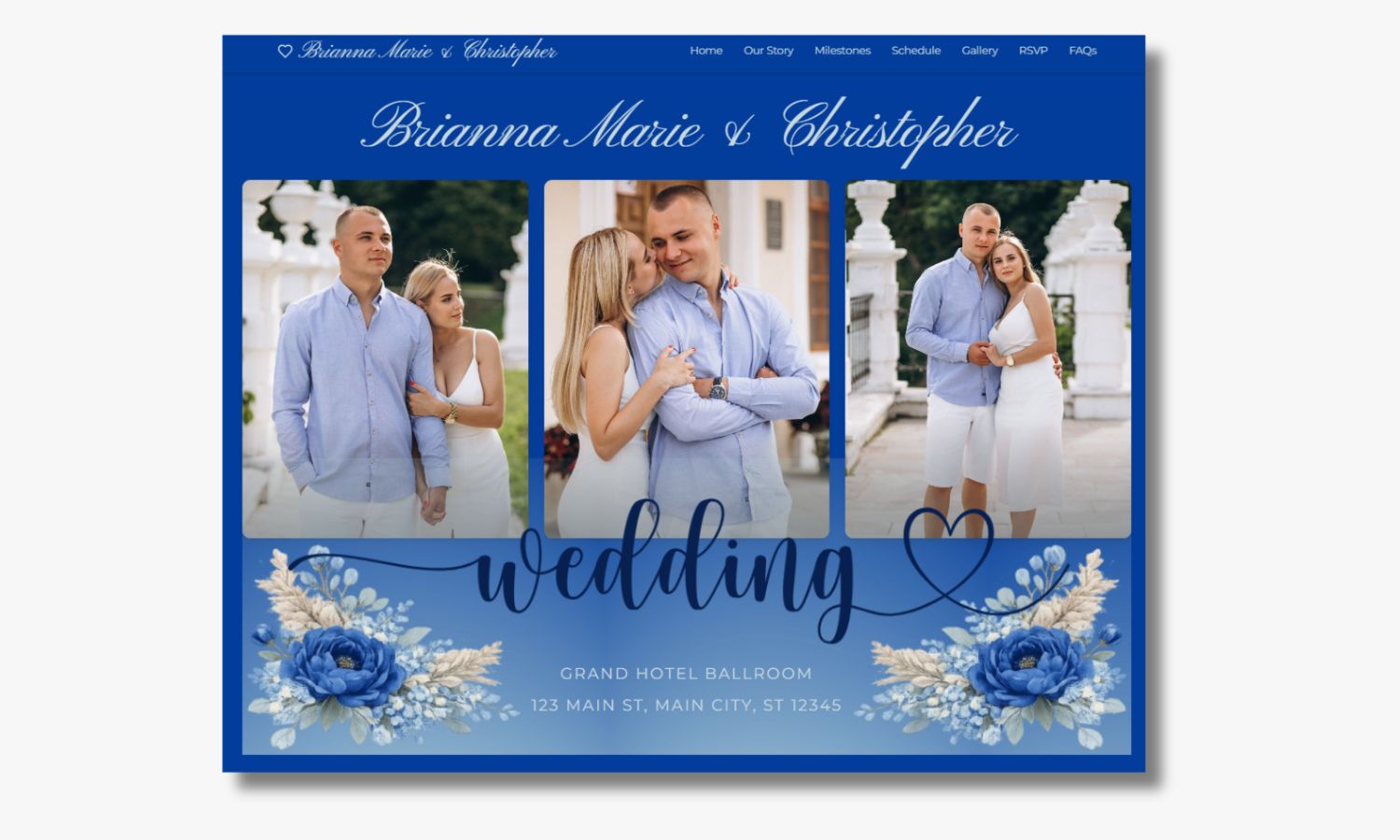
- Online RSVP forms via your wedding website
- Direct replies via email or phone
Using an event management platform like Eventifai can streamline this process with automated reminders and centralized tracking.
5. Keep Your Tone Positive and Understanding
Whether writing a reminder or calling a guest, maintaining a warm, positive tone helps avoid any feelings of guilt or pressure. Guests will often respond promptly when approached kindly.
6. Set a Final RSVP Cutoff Date
Communicate a firm final deadline for receiving RSVPs and explain that after this date, you may assume a “no” in order to finalize arrangements. This clearly outlines expectations and encourages timelier responses.
7. Follow Up Personally with Key Guests
For important family members or close friends whose RSVP is crucial, a direct personal conversation can be the best course of action. Often, these guests appreciate the personal touch and are more likely to confirm their attendance.
What to Do After the RSVP Deadline Passes
Even after reminders and follow-ups, some guests may still not RSVP. Here’s how you can move forward confidently with your wedding planning.
1. Make Conservative Headcount Estimates
Based on past experience and the number of unresponsive guests, estimate how many might attend. Typically, assume a 50-75% attendance rate among non-responders depending on your guest demographics.
2. Inform Your Vendors
Give caterers, venues, and rental companies your best estimated guest count, including a buffer for any last-minute confirmations. Most vendors allow minor adjustments closer to the event date.
3. Plan Flexible Seating and Table Arrangements
Consider seating charts and layouts that can adapt to a fluctuating guest list. Buffer spaces and multi-function tables can accommodate extra guests without stress.
4. Prepare for Potential No-Shows
Even with RSVPs, some guests may not attend. Conversely, unconfirmed guests might show up unexpectedly. Planning for slight variances helps keep your day smooth.
Best Practices to Prevent No RSVPs in the Future
While you can’t control every guest’s response behavior, these proactive strategies can significantly reduce non-responses for your wedding.
1. Clear Invitation Instructions
Make RSVP instructions upfront, clear, and easy to follow. Specify the response deadline and available methods distinctly to avoid confusion.
2. Choose a Convenient RSVP Method
Opt for modern solutions like online RSVP tools or wedding apps that guests can access quickly via smartphones.
3. Include a Personal Note
A short, heartfelt message inviting guests to reply can increase engagement and prompt timely RSVPs.
4. Send Early Save-the-Dates
Giving guests advance notice helps them plan ahead and reduces scheduling conflicts that might delay RSVPs.
5. Keep RSVP Deadlines Reasonable
Set deadlines far enough in advance to accommodate guest planning and give yourself time to follow up.
How Eventifai Simplifies RSVP Management
Eventifai offers a comprehensive digital platform designed specifically for managing wedding guest lists and RSVPs. By automating reminder notifications and providing intuitive RSVP tracking, Eventifai reduces the stress and guesswork around guest communications.
- Real-Time RSVP Tracking: Instantly see who has responded and who hasn’t.
- Automated Reminders: Send customizable reminders on your schedule without lifting a finger.
- Multiple RSVP Methods: Guests can reply via website, mobile, or email link.
- Guest Messaging: Communicate easily with groups or individuals to clarify RSVP details.
Using a platform like Eventifai promotes early, clear communication and significantly lowers the chances of unreturned RSVPs.
Conclusion
Wedding guests who don’t RSVP can introduce a layer of uncertainty and stress into your event planning. However, by following a clear and courteous action plan, you can encourage responses, keep your planning on track, and approach the wedding day with confidence.
Start by clarifying deadlines, sending polite reminders, and ensuring RSVP options are convenient and accessible. When necessary, follow up personally and prepare flexible plans to adapt to last-minute changes. Integrating smart tools like Eventifai can enhance your RSVP management and further reduce stress.
With patience, communication, and practical strategies, managing unresponsive wedding guests can become a seamless part of your overall wedding planning process.