Understanding Modern Wedding Etiquette: Who Pays for What Between Families and Couples
Wedding planning is an exciting time, but it often raises the complex question: who pays for what? In today’s world, traditional wedding etiquette around expenses has evolved significantly. Couples and families navigate financial responsibilities in a more personalized way, balancing cultural customs, financial capabilities, and mutual respect. This comprehensive guide explores modern wedding etiquette for families and couples, helping you plan a memorable day without financial confusion or awkwardness.
The Evolution of Wedding Financial Etiquette
In decades past, wedding costs were typically divided based on strict traditions: the bride’s family usually covered most expenses, including the ceremony and reception, while the groom’s side paid for the rehearsal dinner and the honeymoon. However, modern couples increasingly share wedding expenses or take on the costs themselves. This shift is influenced by factors like dual-income households, blended families, and diverse cultural practices.
Understanding this evolution can help families and couples create a fair and transparent budget that suits everyone’s needs. Below, we discuss how the responsibilities are commonly divided and what alternatives contemporary weddings often consider.
Traditional Breakdown of Wedding Costs
Before diving into modern practices, it’s essential to know the traditional roles regarding wedding expenses:
- Bride’s Family: Typically pays for the majority of the wedding ceremony, reception, bridal gown, flowers, and photography.
- Groom’s Family: Traditionally covers the rehearsal dinner, officiant’s fee, and the bride’s bouquet.
- The Couple: The honeymoon, marriage license, and sometimes their attire.
In many cultures, these roles reflect historic societal expectations, but they aren’t as rigid as before. Today’s weddings often reflect the financial realities and personal preferences of those involved.
Modern Approaches: Flexible and Fair
Today, many couples and families opt for a flexible approach to wedding expenses. Here are some common modern strategies:
- Cost Sharing: Couples split costs evenly or according to income proportions, ensuring fairness and reducing financial stress on either side.
- Custom Contributions: Families contribute to specific parts of the wedding based on interest and ability—for example, one family covers the catering, the other the entertainment.
- Couple-Paid Weddings: Many couples choose to finance their weddings independently, allowing full control over the event while relieving family financial pressure.
The key to successful financial planning is open communication. Early conversations about budget expectations help avoid misunderstandings.
How to Initiate the Money Talk
Discussing money can be sensitive. Here are tips to ease the conversation:
- Be Clear and Honest: Outline your financial situation and expectations honestly.
- Suggest a Budget Meeting: Bring together both families and the couple to discuss and draft a budget.
- Use a Wedding Budget Checklist: Tools like Eventifai’s planning guides can facilitate transparent tracking of who pays for what.
Detailed Responsibilities: Who Pays for What in Modern Weddings?
Below is a breakdown of typical wedding expenses and who often assumes responsibility today. Keep in mind that these are guidelines, not rules.
1. The Venue and Ceremony
- Traditionally: Covered by the bride’s family.
- Modern Practice: Often covered jointly by the couple and families. The couple frequently rents the venue if self-funding.
A popular approach is splitting the venue cost between both families, especially if the event is large or involves guests from both sides equally.
2. Reception and Catering
- Traditionally: Bride’s family pays for reception food and drinks.
- Modern Practice: Either split between families or handled by the couple. Families may cover particular segments (e.g., one side funds the bar, the other covers cake and catering).
Open discussion about guest count and catering preferences is vital to control costs.
3. Wedding Attire
- Traditionally: Bride’s dress and accessories by the bride’s family; groom’s attire by the groom or his family.
- Modern Practice: Many couples purchase their own outfits or split costs with families, depending on budget.
4. Photography and Videography
- Traditionally: Paid by the bride’s family.
- Modern Practice: Usually paid by the couple as a long-term investment to capture memories.
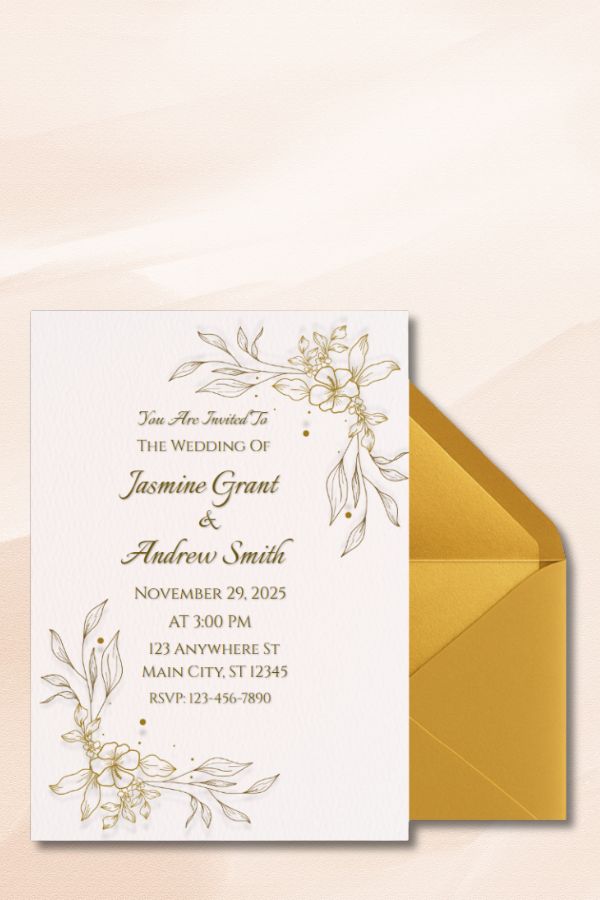
5. Invitations and Stationery
- Traditionally: Bride’s family pays.
- Modern Practice: Shared expense among couple and families or fully couple-funded for custom designs and digital options.
6. Entertainment
- Traditionally: Groom’s family or couple pays for the band or DJ.
- Modern Practice: Often split or covered by the couple, depending on preferences.
7. Honeymoon
- Traditionally: Couple’s expense.
- Modern Practice: Still mostly covered by the couple, though it’s common for guests to contribute via honeymoon funds on wedding registries.
8. Transportation
- Traditionally: Bride’s family covers transportation for bridal party.
- Modern Practice: Couple or families split costs depending on arrangements.
Additional Considerations for a Smooth Financial Plan
Beyond deciding who pays for major items, consider these aspects for smooth wedding financial management:
- Designate a Point Person: Assign one person from each side to handle financial communications.
- Create a Shared Budget Spreadsheet: Use digital tools such as Eventifai’s wedding planner app to track expenses in real-time.
- Prioritize Expenses: Agree on the must-haves versus nice-to-haves to allocate funds efficiently.
- Prepare for Unexpected Costs: Set aside a contingency budget (usually 5-10% of total costs) for surprises.
Tips for Couples Blending Expenses and Etiquette
If either party is divorcing, remarrying, or blending families, the financial dynamics can get complicated. Here are tips for navigating these scenarios:
- Clarify Expectations Early: Address financial roles openly with all family members involved.
- Respect Cultural Differences: Integrate traditions by blending budgets and contributions thoughtfully.
- Keep Communication Consistent: Regular updates and check-ins ensure everyone is comfortable with costs.
Why Following Wedding Etiquette Matters
While financial arrangements can be flexible, respecting wedding etiquette fosters harmony during planning. Clear expectations prevent conflicts and awkwardness, and when families work together on who pays for what, the wedding day becomes more joyous and celebratory for everyone involved.
Using a reputable wedding planning guide like Eventifai's, which blends modern etiquette with practical budgeting tools, can ensure all parties feel included and informed throughout the process.
Conclusion: Finding What Works Best for Your Wedding
Modern wedding etiquette recognizes that each couple's and family's financial situation is unique. The goal is to collaboratively develop a financial plan that is fair, transparent, and suited to your specific needs and traditions. Whether families stick to traditions or embrace new norms like cost-sharing or couple-funded celebrations, strong communication and respect are fundamental.
Incorporating these modern financial etiquette tips into your wedding planning will support a smoother process and a celebration filled with love, not financial tension.