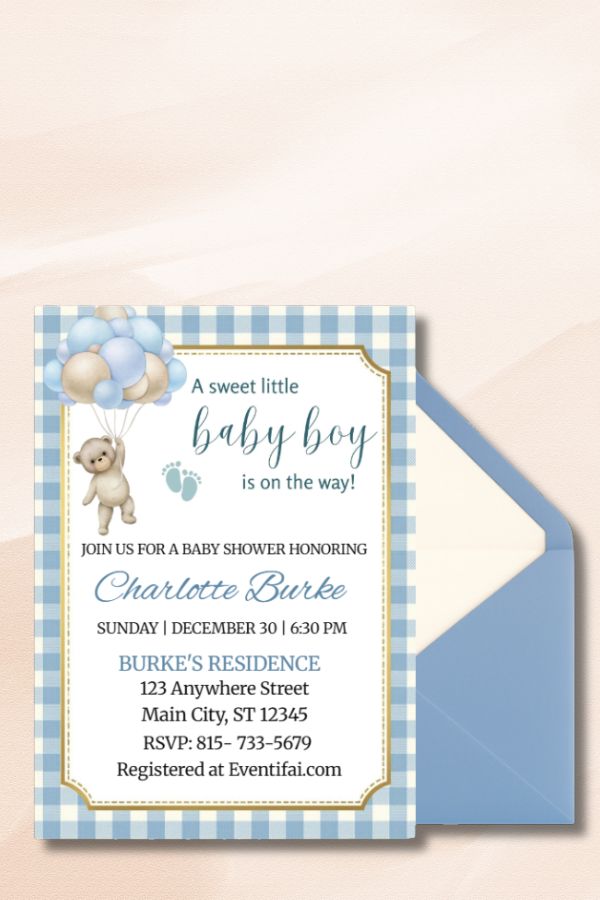
Understanding Who Typically Pays for a Baby Shower
When planning a baby shower, one of the biggest questions that often arise is, who typically pays for a baby shower? The answer varies depending on cultural traditions, family preferences, and the specific people involved in hosting the event. In this guide, we'll explore the common practices around baby shower budgeting and cost-sharing, so you can plan a memorable celebration without stress.
Traditional Etiquette: Who Usually Pays for a Baby Shower?
Traditionally, the responsibility of paying for a baby shower falls on the host or hosts. This role is most often taken by close family members or friends who want to celebrate the upcoming arrival of the baby. Here are some of the most common payers:
- The Host: Usually, the person or people hosting the baby shower cover the expenses. This can be a close friend, a sister, a mother, or the grandmother of the mother-to-be.
- Close Family Members: Sometimes the baby's grandmother, aunt, or another family member takes on the financial role to throw the shower.
- Friends Group: A group of friends may choose to split the costs evenly to host the event.
It’s important to know that the expectant parents rarely cover the cost of their own baby shower. This tradition helps to make the shower a surprise or a special treat planned by loved ones.
Modern Approaches to Baby Shower Costs
Though traditional etiquette typically designates the host as the payer, modern approaches have introduced more flexibility. Various factors such as budget constraints, large guest lists, or virtual showers have influenced how costs are managed now. Here are several popular modern approaches:
- Cost Sharing Among Hosts: If multiple people decide to host, splitting the total expenses is a fair and common approach.
- Group Contributions: Sometimes the host covers some expenses, and invites others to contribute on a voluntary basis toward food, decorations, or gifts.
- Using Gift Registries: Some hosts rely on gift registries and expect guests to bring meaningful gifts instead of focusing on extravagant decorations or catering.
- Virtual Baby Showers: Hosting a virtual event can significantly reduce costs, making budget planning simpler and potentially shared among several hosts.
Key Expenses to Consider in Baby Shower Budgeting
Before deciding who pays, it’s useful to understand what common expenses you’ll likely face when planning a baby shower. Knowing the typical costs involved helps set realistic expectations:
- Venue: Whether at home, a restaurant, or a rented venue, location costs vary widely depending on size and exclusivity.
- Decorations: Themed decorations, balloons, banners, and table centerpieces can add up, depending on your chosen style.
- Food and Catering: Snacks, meals, and drinks often represent the largest portion of the budget.
- Invitations: Digital invitations are less expensive, but printed invites or elaborate designs increase costs.
- Games and Entertainment: Including baby shower games or hired entertainers may be an optional expense.
- Favors and Gifts: Thank-you gifts for guests are a nice touch but bring added expenses.
Who Should Host and Pay? Factors to Consider
Identifying the right person or group to host and pay for a baby shower is a delicate part of planning. The decision often depends on several factors, including:
- Relationship to the Mom-to-Be: Close friends and family members typically shoulder hosting duties.
- Financial Situation: Consider who feels comfortable contributing financially without strain.
- Size and Scale: Large showers may require multiple hosts or cost splitting.
- Expectant Parents’ Preferences: Some parents prefer a small, intimate gathering or a no-cost shower, which affects spending.
- Cultural or Regional Traditions: Customs vary significantly in different communities regarding event hosting and expenses.
How to Split Baby Shower Costs Fairly
If multiple hosts are planning the baby shower together, it's crucial to establish a clear and fair way to split costs. Here are some practical strategies to manage expenses effectively:
- Create a Shared Budget Spreadsheet: Use a tool like Google Sheets to list all expected costs and track contributions.
- Divide Costs Equally: The simplest approach – each host pays the same amount.
- Assign Expense Areas: Each host can take responsibility for specific parts of the budget, such as food, decorations, or favors.
- Set a Spending Limit: Agree on a maximum amount to keep the event affordable for everyone involved.
How to Communicate About Baby Shower Expenses
Discussing money can sometimes feel uncomfortable. However, clear and open communication is key to preventing misunderstandings during the baby shower planning process. Here’s how to handle conversations about costs:
- Start Early: Talk with potential hosts or contributors well before planning begins to set expectations.
- Be Transparent: Share the budget and guest list details openly to give everyone a clear picture of the costs.
- Keep It Positive: Emphasize that the goal is to celebrate the mom-to-be in a comfortable and enjoyable way.
- Offer Alternatives: Provide options for either contributing money, time, or supplies, so everyone can participate in a way that suits them.
Budget-Friendly Baby Shower Ideas
If budget constraints are a concern, there are many creative ways to host a beautiful baby shower without breaking the bank. Here are some helpful tips:
- Host at Home: Use a backyard, living room, or community center to avoid venue fees.
- DIY Decorations: Get crafty with handmade decor, printable banners, and simple floral arrangements.
- Potluck Style: Invite guests to bring a dish or snacks to share.
- Virtual Gatherings: Consider online baby showers to save money on food and venue.
- Focus on Meaningful Gifts: Encourage thoughtful gifts instead of lavish ones, helping to reduce the pressure on hosts and guests.
Summary: Best Practices for Baby Shower Budgeting and Payment
Overall, knowing who typically pays for a baby shower boils down to tradition combined with modern flexibility. Hosts, usually family members or close friends, traditionally take on the financial responsibility, but splitting costs or adopting budget-friendly options is increasingly common. Communication is essential to ensure everyone is comfortable and aligned.
By understanding common costs, budgeting carefully, and discussing expenses openly, you can host a joyful and memorable baby shower that celebrates the new arrival while respecting everyone’s financial boundaries.