Why Are Wedding Flowers So Expensive? A 2026 Industry Price Breakdown
When couples start planning their wedding, one of the most breathtaking yet costly aspects often revolves around wedding flowers. From bridal bouquets to centerpieces and elaborate floral arches, flowers bring elegance, color, and personality to any wedding ceremony or reception. However, many soon wonder: why are wedding flowers so expensive?
Understanding the cost of wedding flowers can help couples budget more effectively and make informed decisions when choosing their floral arrangements. In this comprehensive 2026 industry price breakdown, we’ll explore the various factors contributing to the high cost of wedding flowers and reveal the trends shaping floral pricing this year.
The Value of Wedding Flowers in Event Planning
Wedding flowers serve more than just decorative purposes. They are essential elements that create the event’s ambiance and reflect the couple’s style and theme. Florists blend creativity and craftsmanship to design unique arrangements tailored to each couple’s vision, which involves significant labor and material costs.
Due to their importance, wedding flowers are often considered a major part of the wedding budget. According to event planning guides, couples typically allocate around 10-15% of their total wedding budget to floral arrangements.
Key Factors Driving Up the Cost of Wedding Flowers
1. Labor-Intensive Craftsmanship
Wedding floristry is an art that requires skill, time, and precision. From selecting the freshest blooms to designing intricate arrangements, florists spend hours perfecting every detail. The labor involved includes:
- Consultation and custom design planning to match the wedding theme
- Ordering and sourcing flowers, some of which might be rare or out of season
- Arranging bouquets, boutonnières, centerpieces, and other floral elements
- Transportation and setup, especially for elaborate installations
This skilled labor directly impacts costs and is reflected in the final pricing.
2. The Cost of Fresh Flowers and Seasonal Availability
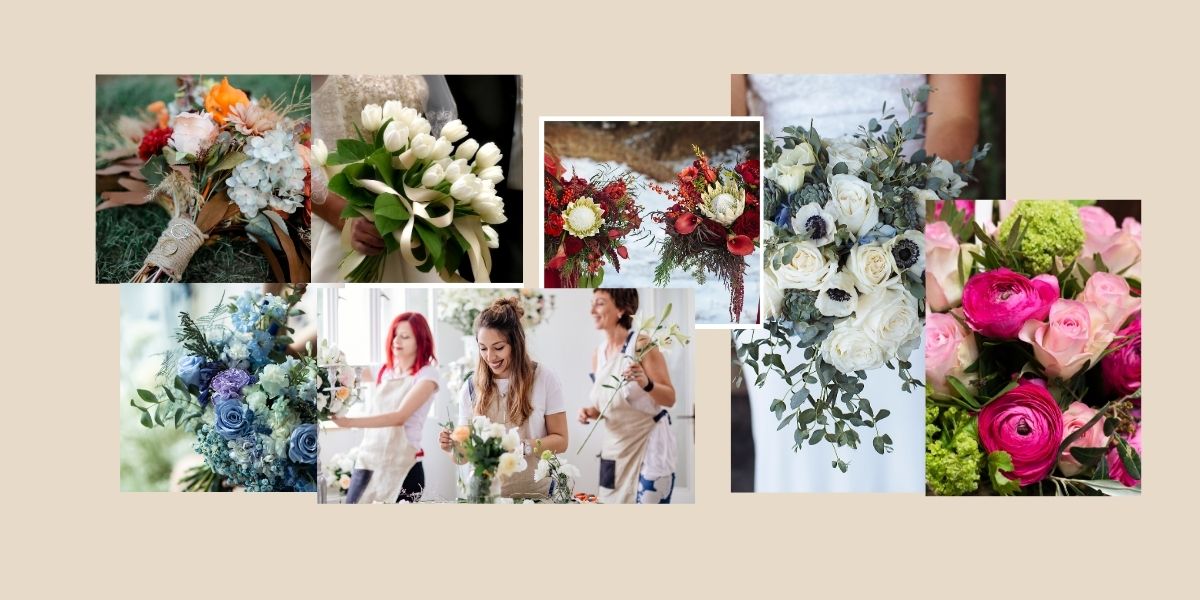
The type and quality of flowers selected play a significant role in pricing. Premium flowers such as peonies, gardenias, orchids, and garden roses are highly sought-after but tend to have higher costs due to limited availability and delicate handling requirements.
Seasonality is another major factor. Flowers that are out-of-season must be imported from international growers or greenhouses, adding to shipping and refrigeration expenses. For 2026, some increasingly popular blooms like dahlias and ranunculus align with specific months, resulting in fluctuating prices throughout the year.
3. Supply Chain and Inflation Impact
Global supply chain disruptions, weather extremes, and inflation continue to affect the floral industry in 2026. Transportation costs, fuel prices, and labor shortages contribute to higher base prices for flowers. These external economic factors make flowers more expensive for both suppliers and customers.
4. Customization and Complexity of Floral Designs
Couples who desire personalized and elaborate flower arrangements will generally see higher costs. Custom installations like floral arches, hanging chandeliers, or flower walls require more materials and meticulous assembly, pushing prices upward. Simple bouquets and centerpieces are typically more affordable options.
5. Quantity and Venue Size
The number of guests and size of the venue influence how many flowers are needed to decorate the space adequately. Larger venues demand more table arrangements, aisle decorations, and focal points, naturally increasing the cost. Florists may offer discounts for bulk orders, but economies of scale only go so far.
2026 Industry Price Breakdown for Wedding Flowers
Here’s a breakdown of average prices you can expect for popular wedding floral elements this year. Keep in mind these are general estimates, as costs can vary by region, vendor reputation, and seasonality.
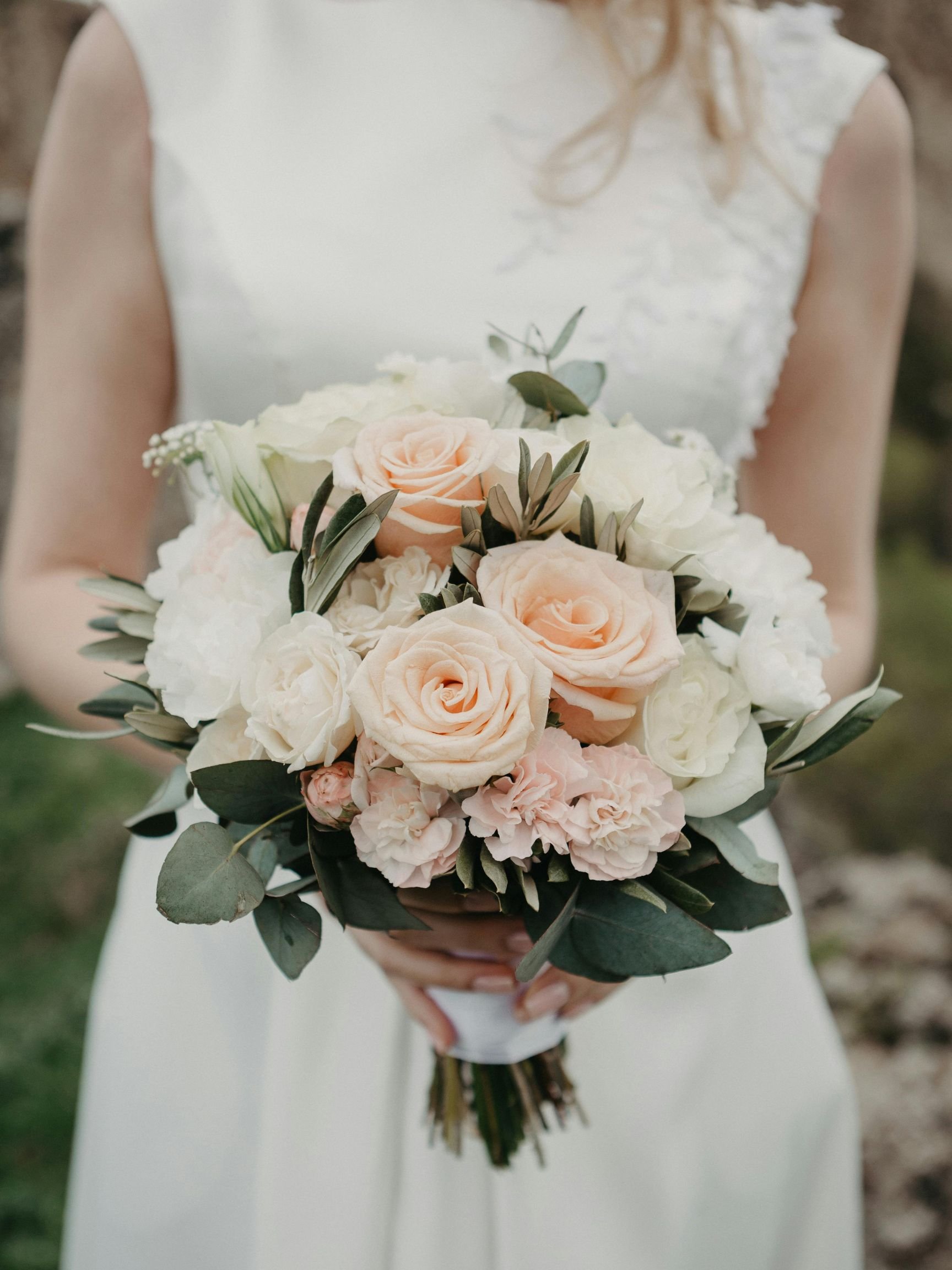
Bridal Bouquet
- Average price: $150 to $400
- More elaborate and seasonal bouquets can reach $500+
- Factors: flower types, bouquet size, design intricacy
Bridesmaids’ Bouquets
- Average price: $75 to $180 each
- Smaller and simpler compared to the bridal bouquet
Boutonnières and Corsages
- Average price: $20 to $50 each
- Customized based on flower selection and decoration
Centerpieces
- Average price: $80 to $300 per centerpiece
- Prices vary depending on height, flower variety, and container choice
Floral Ceremony Arch or Installation
- Average price: $700 to $3,000+
- Highly customizable and labor-intensive, often the centerpiece of decoration
Additional Decorative Flowers
- Cake flowers: $50 to $150
- Aisle markers and pew decorations: $50 to $200
- Flower crowns and hairpieces: $50 to $150
Seasonal and Regional Price Variations in 2026
Geographical location significantly influences the cost of wedding flowers due to local supply availability and transportation considerations.
- Urban centers: Cities like New York, Los Angeles, and Chicago typically see higher floral prices due to higher operational costs and demand.
- Rural or smaller towns: Prices can be lower but may face limited selection and less access to premium blooms.
- Seasonal tips: Scheduling a wedding during peak flower seasons (spring and early summer) can reduce costs.
Planning weddings during fall or winter often requires importing flowers, increasing overall expenditure.
How to Save on Wedding Flower Costs in 2026
For couples looking to manage wedding flower expenses without compromising on style, here are some practical tips:
- Choose in-season flowers: Aligning floral choices with naturally available blooms can significantly decrease costs.
- Opt for greenery and fillers: Eucalyptus, ferns, and other greenery can add volume and texture at lower prices.
- Limit elaborate installations: Focus floral expenses on key areas such as the bridal bouquet and centerpiece rather than covering every inch.
- Mix fresh and faux flowers: High-quality silk flowers mixed with fresh blooms can extend visual impact and reduce cost.
- Shop local: Support local growers and florists to minimize transportation fees and promote fresh flowers.
The Future of Wedding Flower Pricing: Trends to Watch
Looking ahead, the wedding floral market is evolving with technology and changing consumer preferences. Here are some trends that might affect costs in coming years:
- Sustainable floristry: Eco-friendly and locally sourced flowers are gaining popularity, potentially stabilizing prices through reduced shipping and waste.
- DIY floral workshops: Couples may opt for hands-on arrangements to reduce labor costs and add a personal touch.
- Hybrid weddings: Smaller guest lists and virtual components may decrease the demand for extensive floral décor.
- Innovative floral designs: Use of preserved flowers, succulents, and mixed textures can provide cost-effective alternatives to traditional fresh blooms.
Conclusion
Wedding flowers are undeniably a significant investment, intricately tied to labor, flower types, seasonality, and supply chain factors. The 2026 industry price breakdown illustrates that the cost of wedding flowers reflects not just the physical materials but also the artistry and effort that goes into creating a couple’s ideal floral vision.
With a clear understanding of the factors influencing flower prices and smart planning strategies, couples can better navigate the floral market and design beautiful, memorable wedding arrangements within their budgets.